

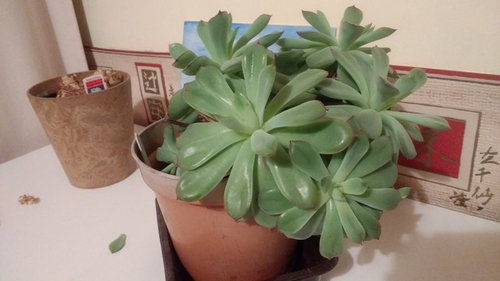
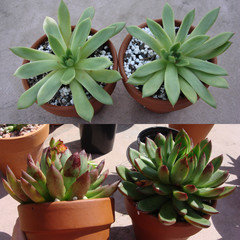
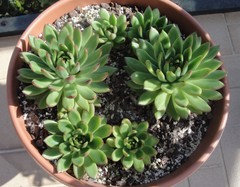
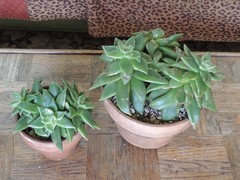
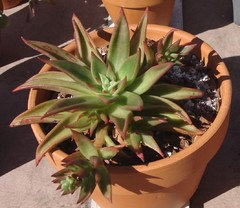
Potting on my E. Pulidonis
9 years ago
Featured Answer
Sort by:Oldest
Comments (8)
 9 years ago
Related Professionals
Little Rock Landscape Architects & Landscape Designers · Lexington Landscape Architects & Landscape Designers · Portland Landscape Architects & Landscape Designers · Vicksburg Landscape Contractors · Myrtle Beach Landscape Contractors · Roanoke Landscape Contractors · Chico Landscape Contractors · Albuquerque Landscape Contractors · Tallahassee General Contractors · Brunswick General Contractors · Kankakee General Contractors · Augusta General Contractors · Coldwater General Contractors · Milwaukee General Contractors · Gallup General Contractors- 9 years ago
- 9 years agolast modified: 9 years ago
 9 years ago
 9 years ago
- 9 years ago
- 9 years ago
Related Stories
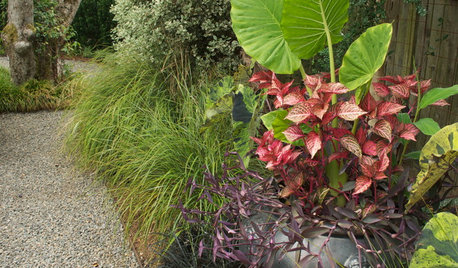
CONTAINER GARDENSSolve Your Garden Border Dilemmas With Planted Pots
Set your containers free from the patio — placed among plantings in the ground, they fill unsightly gaps, let you experiment and more
Full Story
KITCHEN STORAGE7 Reasons to Hang Your Pots and Pans on a Rail
Well-placed utility rails are popping up in stylish kitchens. Here’s why you may want to consider one too
Full Story
HOUSEPLANTSOne Pot, One Big Shot of the Tropics
Give your rooms exotic flair in a single stroke. Tall Kentia palm fits the tropical bill beautifully
Full Story
CONTAINER GARDENSDIY Project: Teacup Planter Pots
Add a riot of color to a windowsill, table or balcony by repurposing old cups and saucers as little planter pots
Full Story
GARDENING GUIDESThe Secret Formula for Grouping Plants in a Pot
Designing a gorgeous container garden is easy once you know this simple rule of thumb for composition
Full Story
KITCHEN DESIGNCreate Your Own Checklist for a Well-Stocked Kitchen
Personalize the kitchen with your own must-haves from our list of top cooking tools, small appliances, pots, pans and more
Full Story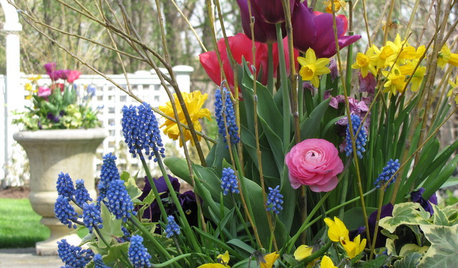
MOST POPULAR12 Stunning Spring Container Gardens
Welcome the season with fragrant hyacinths, cheerful daffodils, potted pansies and sweet early strawberries
Full Story
LIGHTINGYour Guide to Common Light Fixtures and How to Use Them
Get to know pot lights, track lights, pendants and more to help you create an organized, layered lighting plan
Full Story
GARDENING GUIDESMid-Atlantic Gardener's November Checklist
Winding down for winter means prepping, potting, piling and picking an indoor solution for daily compost
Full Story0
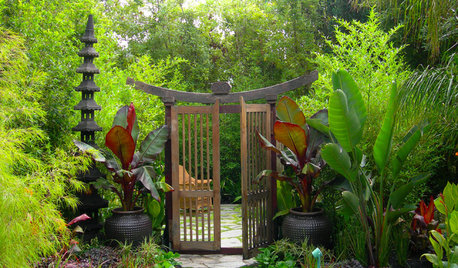
CONTAINER GARDENS10 Ways to Take Containers Beyond the Patio
Enliven your landscape with pots and containers
Full Story



Katherine (SC 9a)