

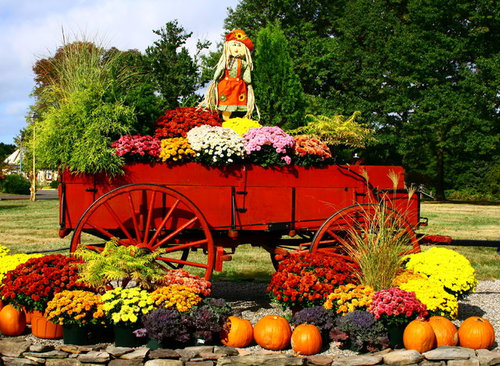
Happy Halloween
9 years ago
Sort by:Oldest
Comments (2)

Related Stories
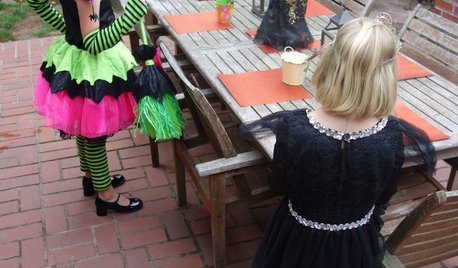
HOLIDAYSThrow a Calm, Happy Kids' Halloween Party — 5 Tips From a Mom
Keep your house and sanity intact with this advice from a veteran of Halloween extravaganzas with every kid on the block
Full Story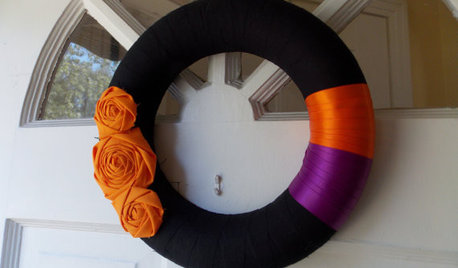
ENTERTAININGGuest Picks: Have a Happy (Classier) Halloween
Plastic pumpkins, begone! These spooky grown-up home accessories bring all of the creepiness and none of the kitsch
Full Story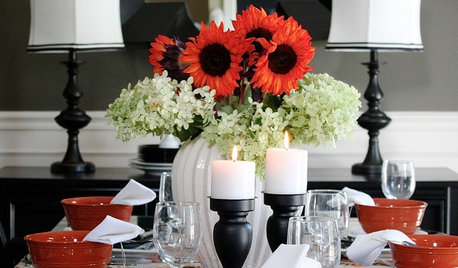
FALL AND THANKSGIVINGIt's Black and White and Fall All Over in a Holiday-Happy Home
Get inspired for budget-friendly fall decorating by a resourceful stylist's thrifty but sophisticated adornments
Full Story
PETS10 Tips for Keeping Indoor Cats Healthy and Happy
It's National Cat Day: Ask not what your cat can do for you (because it will ignore you) but what you can do for your cat
Full Story
DECORATING GUIDES7 Salem Homes Say 'Happy Holidays' With Floral Splendor
Abundant displays by local floral designers ring in the holidays for these historic seaside homes in Massachusetts
Full Story
MOST POPULARBewitching Halloween Entryways by Houzzers
Clever, crafty or downright creepy, these outdoor and window decorations by Houzzers cast a spell all their own
Full Story
HOLIDAYSThese Homes Say Happy Mardi Gras!
Let the good times roll around the house with Mardi Gras beads, glittery high heels, Fat Tuesday colors and more
Full Story
PRODUCT PICKSGuest Picks: Eerie Furnishings for Halloween and After
Give your rooms spooky flair minus the kitsch, with hauntingly beautiful pieces that work year-round
Full Story
HALLOWEENLow-Boo Halloween Decor for the Little Ones
A designer balances fright-night scares with familiar delights to cater to the smallest of trick-or-treaters
Full Story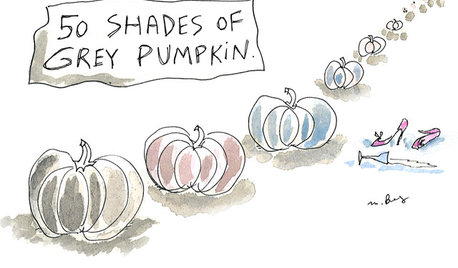
HOLIDAYSPumpkin Themes to Haunt Your Halloween
What current events and decorating styles will inspire your pumpkins this year?
Full Story

mblan13
tropicofcancer (6b SW-PA)
Related Professionals
Providence Landscape Architects & Landscape Designers · Hot Springs Landscape Contractors · Johnson City Landscape Contractors · Elgin Landscape Contractors · Rockford Landscape Contractors · Grand Rapids Landscape Contractors · Lima Landscape Contractors · Flagstaff Landscape Contractors · Washington Home Builders · Kankakee Home Builders · New York City Home Builders · Monroe Home Builders · Show Low Home Builders · Riverside Home Builders · Billings Home Builders