

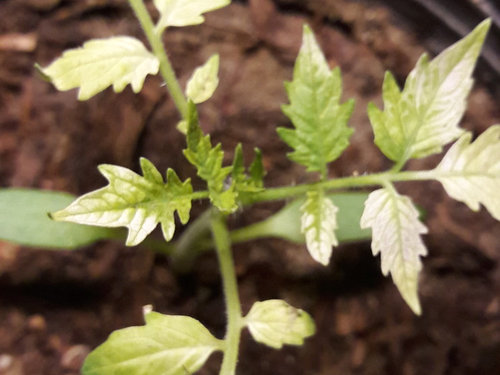
White tomato leaves
8 years ago
last modified: 8 years ago

Featured Answer
Sort by:Oldest
Comments (10)
 8 years agolast modified: 8 years ago
Related Professionals
Sebring Landscape Architects & Landscape Designers · Orange County Landscape Architects & Landscape Designers · Salinas Landscape Architects & Landscape Designers · Missoula Landscape Architects & Landscape Designers · Dayton Landscape Contractors · Moline Landscape Contractors · Mankato Landscape Contractors · Coeur d'Alene Landscape Contractors · Bozeman Landscape Contractors · Everett Landscape Contractors · Springfield Accessory Dwelling Units · Rock Hill Accessory Dwelling Units · Harrisonburg Accessory Dwelling Units · Champaign Accessory Dwelling Units · Salinas Accessory Dwelling Units- 8 years ago
- 8 years ago
 8 years agolast modified: 8 years ago
- 8 years agolast modified: 8 years ago
 8 years ago
- 8 years ago
- 8 years ago
Related Stories
KITCHEN DESIGNHow to Keep Your White Kitchen White
Sure, white kitchens are beautiful — when they’re sparkling clean. Here’s how to keep them that way
Full Story
MOST POPULARMust-Try Color Combo: White With Warm Off-White
Avoid going too traditional and too clean by introducing an off-white palette that brings a touch of warmth and elegance
Full Story
DECORATING GUIDES9 Ways to Boost Your All-White Color Scheme
Grays, seafoam, metal, wood and more help embolden a white-on-white look so it doesn't leave you cold
Full Story
COLORFun and Easy Ways to add Color to White Spaces
Leave your walls white and add color and interest with art, furniture and other accents
Full Story
REMODELING GUIDESInterior Brick: Paint it or Leave It?
Here's how to know if covering that brick is a sin or solution
Full Story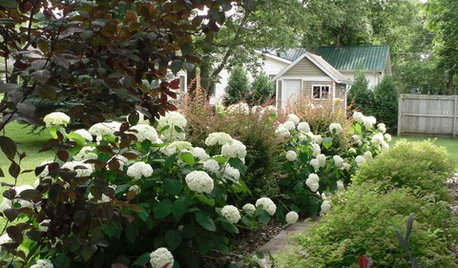
LANDSCAPE DESIGNAll-White Gardens Light Up the Night
Lustrous blooms in white, cream and the palest ivory enchant in the landscape at night — and can be practical too
Full Story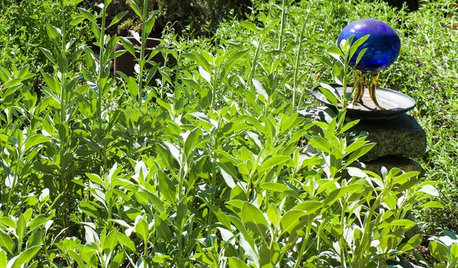
FLOWERS AND PLANTSWhite Sage Shimmers in the Water-Wise Garden
California native Salvia Apiana features silvery-green foliage and seasonal flowers that bees, hummingbirds and butterflies love
Full Story
BLACKTwo Sides to Black and White Art
Graphic and bold or subtle and sophisticated? A mother and daughter share their picks on both ends of the spectrum
Full Story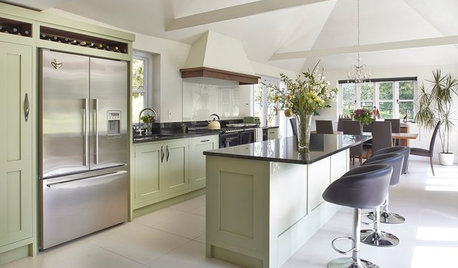
COLORBeyond White: With Tints, Everybody Wins
Light colors with just a trace of pigment add a subtle ambience. Here’s how to use tints to set a mood without darkening your space
Full Story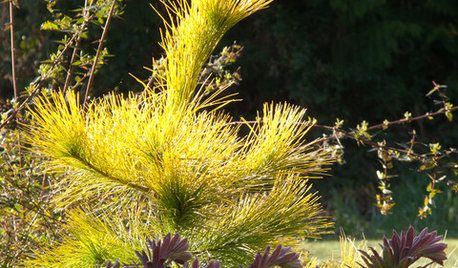
GARDENING GUIDESGreat Design Plant: Louie Eastern White Pine
This stunning golden conifer will bring a smile to your face and add a ray of sunshine to your winter garden
Full Story


Labradors