

Crape Myrtle Bark Scale
8 years ago
Featured Answer
Sort by:Oldest
Comments (10)
 8 years ago
 8 years agolast modified: 8 years ago
Related Professionals
Burlington Landscape Contractors · Ontario Landscape Contractors · Fort Smith Landscape Architects & Landscape Designers · San Luis Obispo Landscape Architects & Landscape Designers · Topeka Landscape Contractors · Springfield Landscape Contractors · Spartanburg Landscape Contractors · Newark Landscape Contractors · Cheyenne Landscape Contractors · Vancouver Home Additions · Coeur d'Alene Landscape Architects & Landscape Designers · Great Bend Tile and Stone Contractors · Madison Tile and Stone Contractors · Boise Tile and Stone Contractors · Longview Tile and Stone Contractors- 8 years ago
- 8 years agolast modified: 8 years ago
- 8 years ago
- 8 years ago
- 8 years ago
- 8 years agolast modified: 8 years ago
 8 years ago


Related Stories
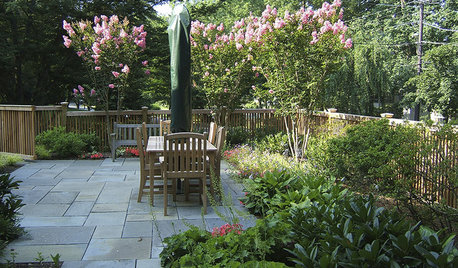
GARDENING GUIDESGreat Design Plant: Crape Myrtle
With long-lasting blooms and gorgeous exfoliating bark, this ornamental tree brings bright color and a unique form to the landscape
Full Story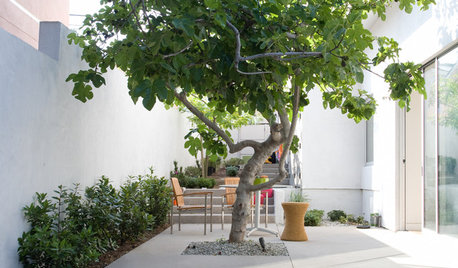
TREES10 Spectacular Trees for Courtyards and Tight Spaces
Here are some top small-scale trees for 4-season interest, easy care and little mess
Full Story
GARDENING GUIDES5 Best-Behaved Trees to Grace a Patio
Big enough for shade but small enough for easy care, these amiable trees mind their manners in a modest outdoor space
Full Story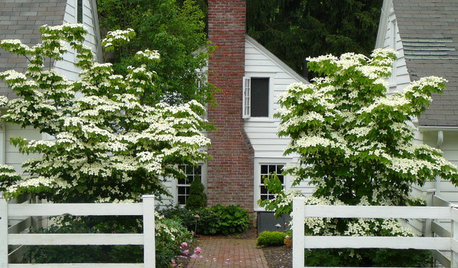
TREES7 Deer-Resistant Flowering Trees to Plant this Fall
If you live in a neighborhood with roaming deer, consider these beautiful trees that won't tempt hungry guests
Full Story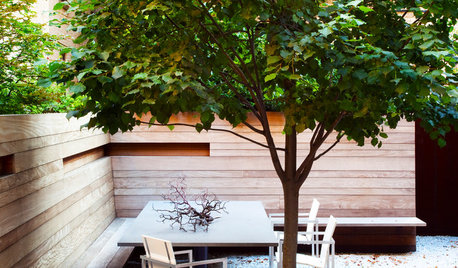
LANDSCAPE DESIGNPretty Trees for Patios, Paths and Other Tight Spots
Choose trees for their size, shape and rate of growth — or shape them to fit your space. Here's how to get started
Full Story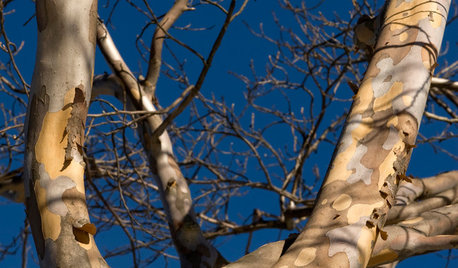
WINTER GARDENING8 Gorgeous Trees for Winter Interest in the Garden
Intriguing forms and beautiful branches take center stage when color heads back into the wings of the winter landscape
Full Story
CONTAINER GARDENSLittle by Little: Why Growing a Bonsai Could Change Your Life
Tap into the gentle and intriguing world of bonsai and let it teach you the joy of patience
Full Story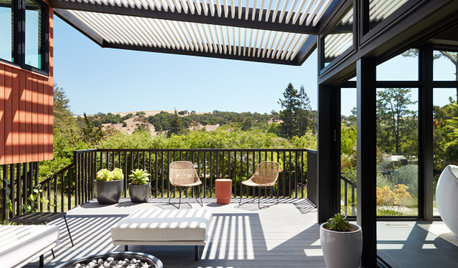
PATIOS9 Stylish Shade Solutions for Patios and Small Garden Areas
Cool down modest-size outdoor spaces with features such as awnings, umbrellas, small shade trees and more
Full Story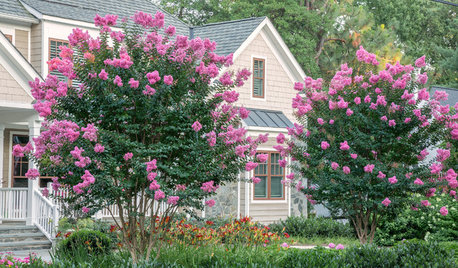
LANDSCAPE DESIGN10 Flowering Trees Landscape Architects and Designers Love
These blooming beauties make lovely additions to gardens — bringing color, fragrance and pollinators
Full Story
ARBOR DAY10 Trees Landscape Designers Love
In honor of Arbor Day, consider adding a beautiful and beneficial tree species favored by designers around the country
Full Story


ken_adrian Adrian MI cold Z5