

Heated Polished Concrete Floors?
8 years ago
Featured Answer
Sort by:Oldest
Comments (6)
 8 years ago
- PRO8 years ago
Related Professionals
Colorado Springs General Contractors · Montréal General Contractors · Macon Home Remodeling · Palm Desert Bathroom Remodelers · Pullman Bathroom Remodelers · Muskogee Flooring Contractors · Mountain Home Tile and Stone Contractors · Muskegon Tile and Stone Contractors · Merced Tile and Stone Contractors · Killeen Kitchen Remodelers · Springfield Kitchen Remodelers · Aurora General Contractors · Ontario General Contractors · Toledo Interior Designers & Decorators · Aiken Cabinets & Cabinetry 8 years agolast modified: 8 years ago
- 8 years agolast modified: 8 years ago
- PRO8 years ago

Related Stories
FLOORSFloors Warm Up to Radiant Heat
Toasty toes and money saved are just two benefits of radiant heat under your concrete, wood or tile floors
Full Story
REMODELING GUIDESObjects of Desire: Beautifully Individual Concrete Floors
Concrete comes in more colors and finishes than ever before. See if these 6 floors open your eyes to the possibilities
Full Story
FLOORS5 Benefits to Concrete Floors for Everyday Living
Get low-maintenance home flooring that creates high impact and works with home styles from traditional to modern
Full Story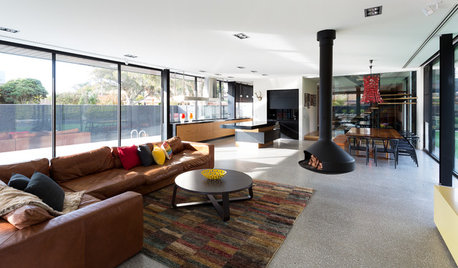
FLOORSKnow Your Flooring: Concrete
Concrete floors have a raw and elegant beauty that can be surprisingly warm
Full Story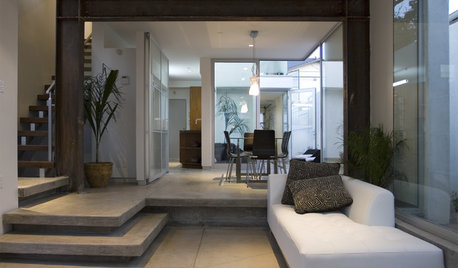
GREEN BUILDINGConsidering Concrete Floors? 3 Green-Minded Questions to Ask
Learn what’s in your concrete and about sustainability to make a healthy choice for your home and the earth
Full Story
FLOORSWhat to Ask When Considering Heated Floors
These questions can help you decide if radiant floor heating is right for you — and what your options are
Full Story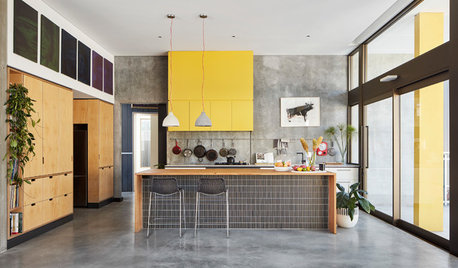
CONCRETEConcrete Flooring Stands Up to the Test in the Kitchen
Find out whether this durable and customizable flooring material might be right for your kitchen
Full Story
REMODELING GUIDESWood Floor Care: Polish Your Skills
Help your wood floors stay gorgeous by learning how to keep stains, dullness and warping at bay
Full Story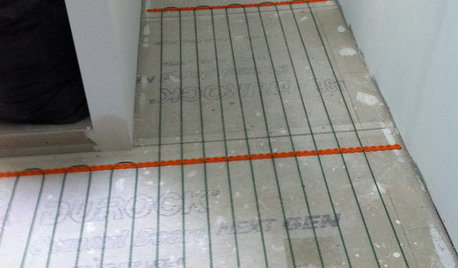
BATHROOM DESIGNWarm Up Your Bathroom With Heated Floors
If your bathroom floor is leaving you cold, try warming up to an electric heating system
Full Story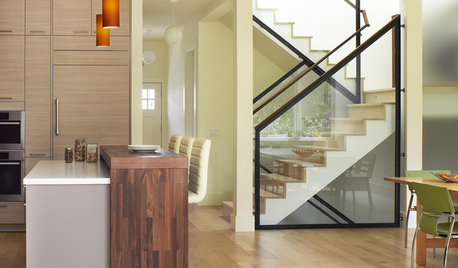
FLOORSIs Radiant Heating or Cooling Right for You?
Questions to ask before you go for one of these temperature systems in your floors or walls (yes, walls)
Full Story

User