Software
Houzz Logo Print
lynncrenshaw80

Used Snapshot pre-emergent. Perennials are dying.

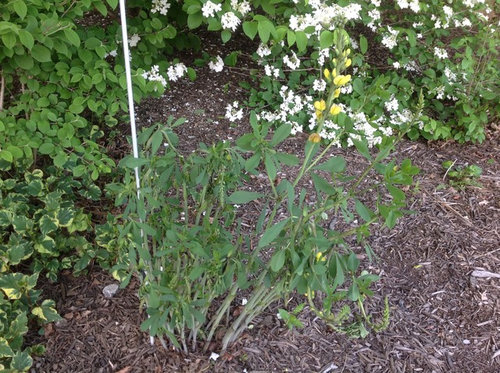
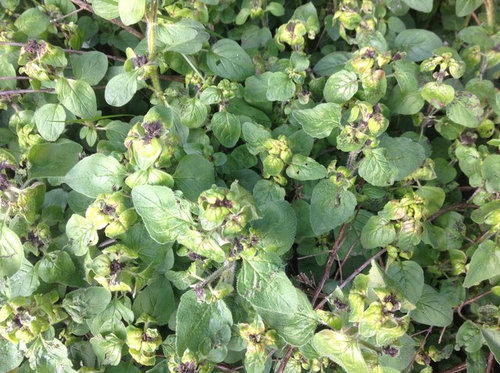
My husband spread Snapshot with handspreader to control bittercrest and other nasty weeds and now I have groups of perennials that are dying. See pictures. What is happening? He spead the Snapshot and then we got 7 inches of rain in 4 days. Only certain plants look bad.

This is bears breech. Only one variety looks like this. Round Up cannot kill it, so how can a pre-emergent?


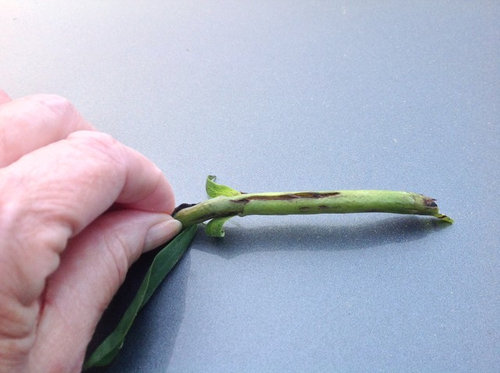
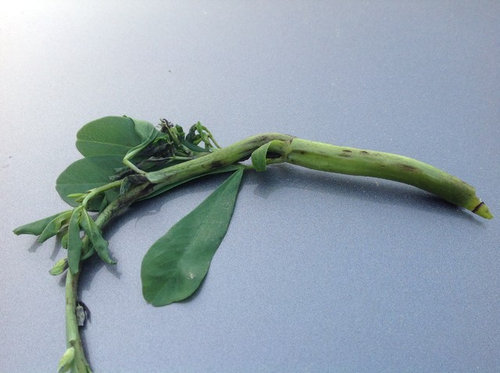
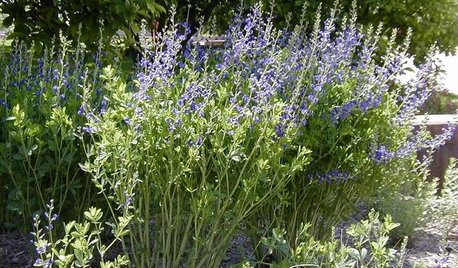
This is false indigo. As you can see, the stems split and the plant wilted.


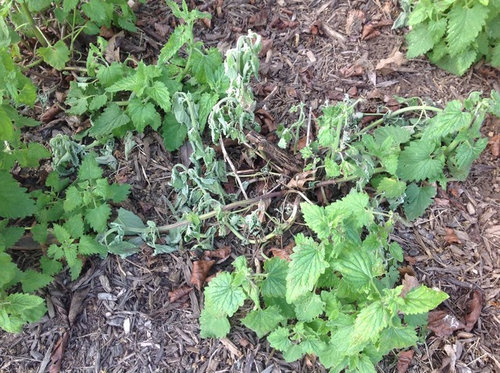
This is catnip I grow for my kitties.

This is oregano. The blossoms look burnt.

It also seems to be taking out the Shasta daisy and lambs ear, but everything else looks fine. This seems to be very selective.

I am attempting to accept the loss, but it is unclear as to why this is happening. Possibly too much rain after spreading the pre-emergent?

Comments (10)

  • 8 years ago

    Oh nooooooo! I hope someone has an answer!

  • 8 years ago
    last modified: 8 years ago

    Reference: https://content.ces.ncsu.edu/snapshot-tg-isoxaben-trifluralin

    I can't go find the EPA label, but FWIW any pre-emergent I've used (and I haven't used snapshot) has a warning about possible damage to cetain genus or even families of living plants and/or disclaimers excluding all but certain species. (in other words, "we know it is safe to use around these, and these only") It's possible these varieties were not on the 'safe' list. Legumes, for one thing, seem unusually sensitive to herbicides, period.

    There is a chance they will recover. Don't do anything at this point but wait.

    The only pre-emergent I have used around desirable ornamental plants is oryzalin, though it is considered one of the 'milder' ones, it did staunch a massive infestation of japanese stiltgrass in my woodland garden. I did of course read the label to make sure there was nothing I had to avoid. Something about the wording in the link above makes me think snapshot is one of the stronger ones.


  • 8 years ago

    spread Snapshot with handspreader


    ===>>>> im wondering how much as applied to the plants themselves??? ...

  • 8 years ago

    The label has a clearly stated contraindication for acanthus, bear's breech. The other plants that were damaged are listed neither as those to be avoided or as "safe" to the application, so who knows how the herbicide might have affected them. It is quite possible that they also are susceptible to the herbicide damage but just not (yet) listed. I seriously doubt they tested all possible ornamental plants to see what resistance or susceptibility they might have.

    Lynn in Parkton, Maryland thanked gardengal48 (PNW Z8/9)
  • 8 years ago

    The label has some precautions on it that might point to the source of the dieback in some of your plans. First, as gardengal mentioned, there are a group of plants identified on the label as being susceptible to injury if this product is used on them. Secondly, the label states in several ways that this product, should it come in contact with the roots of any plants, may cause injury. It does not recommend use on beds with loose soil, plants recently transplanted, soil that has "cracks", pots under 4", etc---all of these point to the potential for the product to reach the roots of the plant. Not sure if these precautions apply to your circumstance? I would think the rain heavy rain did more to wash away the bulk of what was applied, though, so keep an eye on the areas treated to see if you are having effective pre-emergent weed control.

    Lynn in Parkton, Maryland thanked Kirstin Zone 5a NW Chicago
  • 8 years ago

    Oh no!

  • 8 years ago

    Those acanthus are stubborn. They are trying to come back. Several stems have stood up in defiance. Unfortunately I have three varieties and a second one went down like the first just recently. Am waiting to see the final result. Certainly have learned a lesson. We have used this before without incident but it was earlier in the spring. We had so much rain and fluctuating cold weather that we were late getting it out and the plants were larger and more into their spring growth. This was a tough winter. I have either lost plants or have die back on things that usually do well.

  • PRO
    5 years ago

    I work for a landscaping service. Everywhere I put in plants with shallow root systems- geraniums, rhododendrons, coral bells, Myrtle, sedum, hydrangeas- I see loss of vigor in all of these plants where we have applied ore-emergent herbicide regularly, the plants do not thrive. There is also a lot to be said about keeping herbicide off the foliage of ALL plants. It works great to prevent weed growth but no matter what the label, it is an herbicide. I was perplexed at the continued loss of vigor and disappearance of certain plants- they were in the right place, they should thrive. But an aha moment occurred when one set of workers doing routine work prepping beds for mulch and doing edging came through just ahead of me- everywhere they were to mulch they put snapshot first. This was something that had been on known to me as the designer- and the crew had no plant knowledge or idea about plant damage they were doing. This had been ongoing for years- they poisoned, I replanted unaware and it continued. My plans- I’ll pull the weeds. Lol
    Best of luck with your plants. Hopefully they bounce back.

  • 5 years ago
    last modified: 5 years ago

    Not sure why people bump threads from years ago when the original participants are long gone. Lynn's last comment on April 11, 2020 was over a year ago.


    I have never had trouble using Surflan, per the label instructions, under ornamentals to control things like Microstegium. No setback observed. As GG pointed out, this pre-emergent was used on something it shouldn't have been used on.

Sponsored
Peabody Landscape Group
Average rating: 3.5 out of 5 stars8 Reviews
Franklin County's Reliable Landscape Design & Contracting