

growing super-sweet melons?
8 years ago
last modified: 8 years ago
Sort by:Oldest
Comments (13)
Related Stories
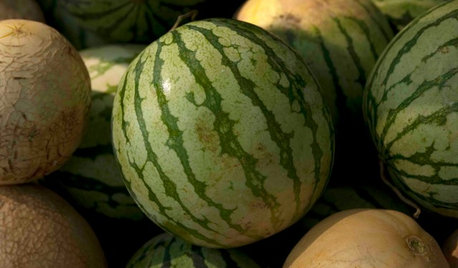
GARDENING GUIDESSummer Crops: How to Grow Melons
Drink in the refreshing sweetness of melons from your own garden this summer — they can last well into fall too
Full Story
EDIBLE GARDENSHow to Grow Your Own Sweet Summer Crops
This guide will help any gardener get started on growing the freshest warm-season veggies and berries for summer
Full Story
COOL-SEASON CROPSCool-Season Vegetables: How to Grow Peas
Their sweetness isn't just for spring. Peas thrive in cool weather too, adding a garden-fresh note to soups, salads and more through fall
Full Story
EDIBLE GARDENSSummer Crops: How to Grow Watermelons
You might not need as much space as you think to get this summer mainstay to spring up in your garden
Full Story
EDIBLE GARDENSHerb Garden Essentials: Grow Your Own Oregano and Marjoram
Say 'buon giorno' to classic Italian herbs you can grow just as easily in pots as in the summer garden
Full Story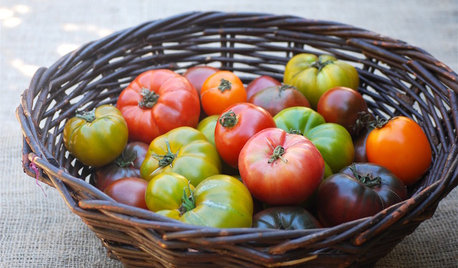
EDIBLE GARDENS10 Delicious Heirloom Tomatoes to Grow This Summer
Irresistible heirlooms offer outstanding flavor and variety. Choose from a rainbow of colors in all shapes and sizes
Full Story
FLOWERS AND PLANTSSpring Is the Season for Sweet Violets
These delicate old-fashioned plants will nestle nicely into a shady spot in your landscape or rock garden
Full Story
EDIBLE GARDENSThe Enticing Garden: How to Grow Bananas
Sweeten your dining table with surprising flavors of banana cultivars while adding tropical flavor to your garden
Full Story
EDIBLE GARDENSHouzz Call: What Did You Grow This Summer?
Let’s celebrate the homegrown fruits and vegetables of the season. Post your pictures and tell us about your harvest
Full Story
EDIBLE GARDENSSummer Crops: How to Grow Tomatoes
Plant tomato seedlings in spring for one of the best tastes of summer, fresh from your backyard
Full Story


farmerdill
daninthedirt (USDA 9a, HZ9, CentTX, Sunset z30, Cfa)Original Author
Related Professionals
Montgomery Landscape Architects & Landscape Designers · Frederick Landscape Architects & Landscape Designers · Chicago Landscape Architects & Landscape Designers · Middletown Landscape Architects & Landscape Designers · Grand Junction Landscape Architects & Landscape Designers · Florence Landscape Contractors · Austin Landscape Contractors · Utica Landscape Contractors · Miami Accessory Dwelling Units · Savannah Accessory Dwelling Units · Salisbury Accessory Dwelling Units · Oklahoma City Accessory Dwelling Units · Williamsport Accessory Dwelling Units · Flagstaff Accessory Dwelling Units · Honolulu Accessory Dwelling Unitsvgkg Z-7 Va
farmerdill
daninthedirt (USDA 9a, HZ9, CentTX, Sunset z30, Cfa)Original Author
vgkg Z-7 Va
daninthedirt (USDA 9a, HZ9, CentTX, Sunset z30, Cfa)Original Author
CA Kate z9
farmerdill
daninthedirt (USDA 9a, HZ9, CentTX, Sunset z30, Cfa)Original Author
farmerdill
daninthedirt (USDA 9a, HZ9, CentTX, Sunset z30, Cfa)Original Author
daninthedirt (USDA 9a, HZ9, CentTX, Sunset z30, Cfa)Original Author