Software
Houzz Logo Print
robert567

Fall crop vegetables in the Midwest

8 years ago
last modified: 8 years ago

What "cool" weather crops you have success with? And what do you do?

In Ohio, I have trouble with the late summer heat, then having enough days left to get edibles with the shorter cooler days. Every year can be different with 90 F degree heat in September like this year, or a late or early hard frost.

Lettuce. The seeds will sprout but then grow pathetically in the heat, then grow weak later. Hard to get anything worth the bother to eat, the plants small and hardly succulent.

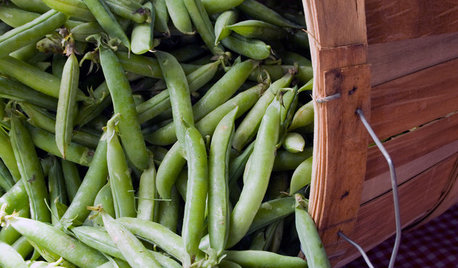
Peas. I planted a short row in August and they started okay, and they got a little shade from other plants. The heat killed half of the plants, the rest are pathetic. Maybe the plants will at least continue growing through October and I'll get a 10-20 peas?

Carrots? Can you get edible carrots planting seed in late August?

Radishes. Planed some seeds in September. They sprouted very leggy and have flopped.

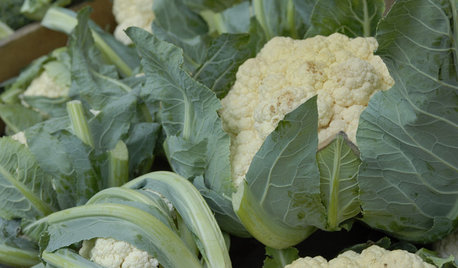
Brassicas. Have planted transplants. They will grow in the heat but tend to get heavily attacked by insects. Do better when it cools, then it is just a race to see if you get anything good before November. I've gotten some really weird looking Cauli and Broccoli before in late Oct. but it still edible and fun.

Comments (7)

  • 8 years ago

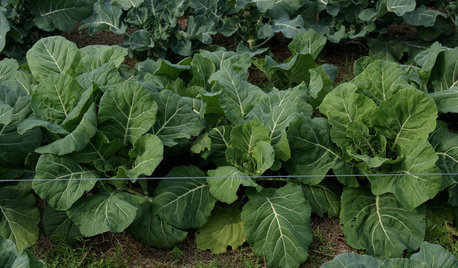
    I sow carrot and beet seed in mid July--they mature in fall. And brassicas--for me kale and collards sown in mid July also--need to be covered with row covers as soon as you plant them. If slugs are a problem, which they are here, I sprinkle Sluggo or Escar-Go right after sowing. Then cover with row covers. That's worked for many years.

  • 8 years ago
    last modified: 8 years ago

    I hear you!!! I'm having some of the issues you mentioned. We always seem to have a period in the mid 90s in mid to late September that make a lot of fall veggies a challenge. We are going through that hot spell now but it will end on Friday and we will be in the 60s and 70s going forward.

    I put out lettuce transplants right before a cool period in Labor day weekend. Between the grasshoppers, slugs, and heat they are all gone. I'm going to try direct seeding some more this weekend but don't expect much unless we don't have a hard freeze until late November.

    Carrots are seeded in late July and they always do pretty well. Tending to them daily until they get established is required.

    I got zero germination from snow peas in early August. I started sowing radishes 3 weeks ago and the first planting looks to have burned up this week but the second looks good still. I'll sow some more the next 2 weekends.

    I usually have good luck with brassicas in the fall. I use shade cloth for a couple weeks until they get the roots established. I use BTK to keep the caterpillars in check. I get some grasshopper damage but not too bad.

    This year I also have some late planted summer squash seeded in late July and started producing a couple weeks ago. I'm picking 2 or 3 daily from 4 plants now.

    Bottom line...fall veggies can be a challenge as you know especially if the summer has been brutal like this year and the gardener's enthusiasm is declining. I often think hard on whether to plant for fall but I always end up doing it.

  • 8 years ago
    last modified: 8 years ago

    It I have a tough time with fall crops due to the sun lowering below a southern tree line right about now. I’ve always had success with lettuce because it tolerates shade really well, and it actually tastes better in shade. The Sept. heat never bothers my crops because of the shade, but they never have time to crop before full shade hits, other than lettuce. I sowed late season cabbage (100+ days from transplant) last May and it is heading up nicely. Looks like I’ll have a harvest from it. Brussel sprouts are getting shade too soon, need to put them elsewhere next year. Carrots shaded too soon, will probably plant them in a sunnier spot, etc.

    It’s so odd that places that can get as much as 8-12 hours of full sunlight all summer can gain full shade come autumn!

    Beetroot is the one vegetable that does not tolerate either heat or shade for me. Very, very tricky in my garden.


    But it does look like we’ll be removing some of those shade causing trees soon. The ones affecting my garden are also leaning very badly towards our house, and after a nasty storm they’d easily fall. It’s a pity because I do love those trees, such healthy hickories. But then again I do love our house and my garden. lol

  • 8 years ago

    As already mentioned, each garden is going to be different. Even a neighbor's down the road. So experimentation is your only real option to discovering what works or doesn't work. And a lot all depends on how much extra work you want to put into it.

    Sun location shifts drastically for us all but structures and tree lines make each shift specific and you have to learn to take advantage of them. That may mean rigging shade cloth early on over the peas and lettuce and then removing it once the temps cool. Heavy mulching of those "cool" crops can help too.

    And altitudes can affect the frost or no frost exposure even on my own property. So as laceyvail mentioned, being prepared with crop covers and other season extenders rigged for easy use can make a world of difference. Planting in moveable containers can also be a big benefit I have learned. And low tunnels can give you many extra weeks.

    Personally I can do carrots, beets, most any leafy greens, salad onions, broccoli, cauliflower, brussel sprouts, cabbage, and even a few tomatoes (under cover) well into late Nov. And with extra care and protection I can often extend those into Dec.

    Dave

  • 8 years ago


    Where I am in SE WI I have had good luck growing german giant radish for fall. Plant them in mid-late August. For cole crops I like to direct seed in late June and then thin the row out by transplanting some of the extra seedlings to another row. Those not disturbed will finish off earlier than the transplanted row.


    Fall cauliflower and brocolli for me can be hit and miss. if the crop comes in early october then I am good. If it is ready in late September and we are still warm then the heads on the broccoli and cauliflower are not so big. One year I started a bit too late and the cauliflower was not ready until early november. We were warm that Fall so I ended up with some nice sized heads.


    I know others will start fall crops inside under grow lights and plant out in August. I suppose I could do this too since I start tomato, onions and leeks in late winter inside but I have not been ambitious enough so far to do so. Easier for me to direct seed in late June for my broccoli/cauliflower.


    I know of people who plant carrots for Fall. I never do. My spring planted crop is usually not harvested until September. I never seem to have any space open in time to plant a fall crop. For me carrots always take a lot longer to mature than what is stated on the seed packet or catalog description.


    Fall planted spinach, radishes, cauliflower, broccoli, cabbage and kohlrabi have been what I have had success with most years. I suppose I should try beets for a fall crop sometime too.


  • 8 years ago

    Dave, I need to invest in some shade cloth. It would greatly help me to have better success with fall crops being that I need to plant much earlier to avoid shade! Great tips.


  • 8 years ago
    last modified: 8 years ago

    I fall sow beets, peas, pea pods, Daikon. Tried broccoli and cauliflower for the first time from seed this year -- not much success there. I gave up on carrots, there's something about my conditions they just don't like, regardless of spring or fall planting. I love brussels sprouts, fall is definitely harvest time for those!