

soil sterilization temp - what's the deal?
7 years ago
last modified: 7 years ago
Featured Answer
Sort by:Oldest
Comments (7)
 7 years ago
 7 years agolast modified: 7 years ago
Related Professionals
Lebanon Landscape Architects & Landscape Designers · Ithaca Landscape Architects & Landscape Designers · Chula Vista Landscape Architects & Landscape Designers · Modesto Landscape Architects & Landscape Designers · El Paso Landscape Architects & Landscape Designers · Danville Landscape Contractors · Rutland Landscape Contractors · Madison Landscape Contractors · Washington Accessory Dwelling Units · Vineland Accessory Dwelling Units · Virginia Beach Accessory Dwelling Units · Traverse City Accessory Dwelling Units · Kenosha Accessory Dwelling Units · San Francisco Accessory Dwelling Units · Farmington Accessory Dwelling Units- 7 years agolast modified: 7 years ago
- 7 years agolast modified: 7 years ago
- 7 years agolast modified: 7 years ago
Related Stories
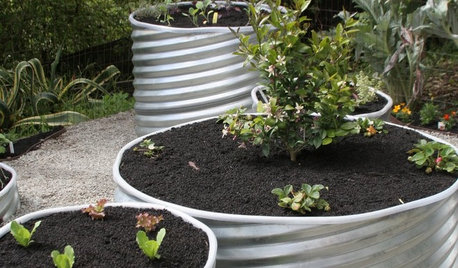
CONTAINER GARDENSContainer Gardening Basics: The Dirt on Soil
Learn the types of potting soil available and the best mixes to help your containers thrive
Full Story
EDIBLE GARDENSNatural Ways to Get Rid of Weeds in Your Garden
Use these techniques to help prevent the spread of weeds and to learn about your soil
Full Story
GARDENING GUIDESThe Art of Green Mulch
You can design a natural garden that doesn’t rely on covering your soil with wood and bark mulch
Full Story
GARDENING GUIDESNew Ways to Think About All That Mulch in the Garden
Before you go making a mountain out of a mulch hill, learn the facts about what your plants and soil really want
Full Story
GROUND COVERSGround Force: 10 Top Ground Covers for Your Garden
Protect your soil from weeds and drought this summer with a living mulch of ground covers
Full Story
WORKING WITH PROS9 Questions to Ask a Home Remodeler Before You Meet
Save time and effort by ruling out deal breakers with your contractor before an in-person session
Full Story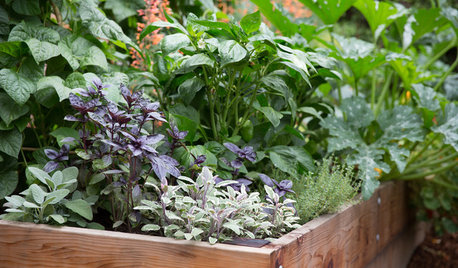
GARDENING 10110 Steps to Get Your Edible Garden Started
Set veggies, fruits and herbs up to thrive by choosing a spot in full sun, amending soil, addressing drainage and more
Full Story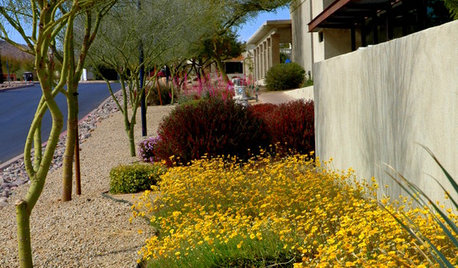
GARDENING GUIDESGreat Native Plant: Angelita Daisy
Want a pretty perennial that can handle high and low temps with little fuss? Versatile angelita daisy is your workhorse
Full Story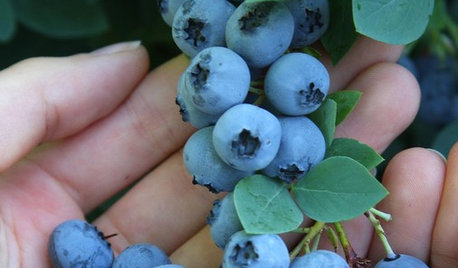
EDIBLE GARDENSSummer Crop: How to Grow Blueberries
Plant blueberries in spring or fall for garden beauty through three seasons — and a sweet superfood in summer
Full Story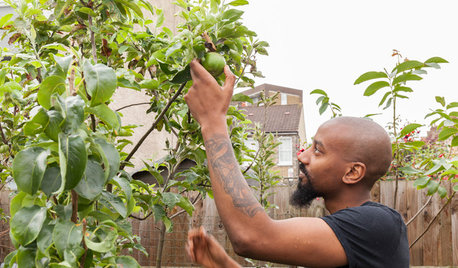
GARDENING GUIDESLush, Foodie Abundance in a Small Urban Garden
This modest backyard garden provides its owner with fruit and vegetables all year round, thanks to an innovative low-maintenance approach
Full Story
daninthedirt (USDA 9a, HZ9, CentTX, Sunset z30, Cfa)Original Author