

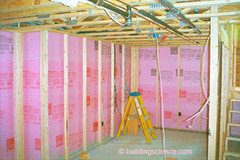
BASEMENT DEMOLITION
7 years ago
Featured Answer
Sort by:Oldest
Comments (15)
Related Professionals
Fresno Home Remodeling · Huntsville General Contractors · Alexandria General Contractors · Providence Bathroom Remodelers · Chico Architects & Building Designers · Mission Viejo Architects & Building Designers · Owensboro Design-Build Firms · Modesto Design-Build Firms · Elkton Home Builders · Nashville General Contractors · Charlotte Interior Designers & Decorators · Youngstown Interior Designers & Decorators · Manhattan Cabinets & Cabinetry · Jackson Cabinets & Cabinetry · Odessa Cabinets & Cabinetry 7 years ago
- 7 years ago
- 7 years ago
- 7 years ago
- 7 years ago
- 7 years ago
- 7 years ago
- 7 years ago
- 7 years agolast modified: 7 years ago
- 7 years ago
- 7 years ago
 7 years ago

Related Stories

BASEMENTSRoom of the Day: From Unfinished Basement to Spacious Great Room
A partial basement in San Francisco is transformed into a striking living space
Full Story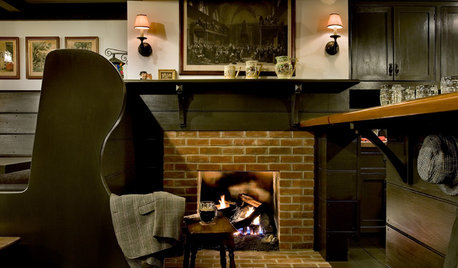
BASEMENTSBasement of the Week: London Pub Ambience in Upstate New York
Dark as a Guinness stout and cozy as a Shetland sweater, this U.K.-style basement bar has everything a pub lover could want
Full Story
HOUZZ TOURSMy Houzz: Creative Moves Turn a Toronto Basement Into a Stylish Rental
See how two Canadian designers renovated their townhouse's lower level into a bright and modern one-bedroom apartment
Full Story
BASEMENTSBasement of the Week: A Creative Space for Kids and Storage for All
With mudroom organizers, laundry and a well-organized space for crafts, this basement puts a Massachusetts home in balance
Full Story
BASEMENTSIndustrial-Style Basement for Family Games, Movies and Exercise
This historic home's basement gets a full makeover to become a family hangout space with a vintage vibe
Full Story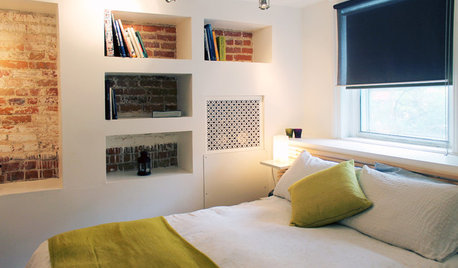
HOUZZ TOURSMy Houzz: Creative Solutions Transform a Tricky Basement Studio
Structural issues and puzzling features give way to beautiful design at the hands of a can-do Montreal homeowner
Full Story
HOMES AROUND THE WORLDHouzz Tour: Warehouse Home Goes from Disaster to Triumph
A New Zealand family beats the odds 3 times when its loft apartment is threatened with demolition after a series of earthquakes
Full Story
ADDITIONSWhat an Open-Plan Addition Can Do for Your Old House
Don’t resort to demolition just yet. With a little imagination, older homes can easily be adapted for modern living
Full Story
REMODELING GUIDESHow to Dig Down for Extra Living Space
No room for a ground-level addition? See if a finished basement is a good idea for you
Full Story
GREEN BUILDINGHow to Recycle Your Kitchen
Instead of adding to the junk pile — and paying landfill fees — get rid of old appliances, cabinets and countertops the ecofriendly way
Full Story



User