

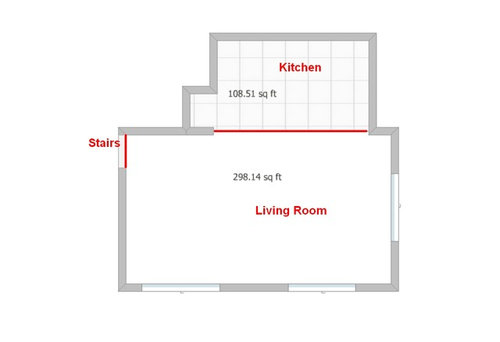
Advise on floating floors needed
7 years ago
Featured Answer
Sort by:Oldest
Comments (11)
 PRO7 years ago
Related Professionals
Terre Haute Home Remodeling · Spartanburg Home Remodeling · Middletown Home Remodeling · Denver Kitchen Remodelers · Cowansville Kitchen Remodelers · Virginia Beach Bathroom Remodelers · Bangor Bathroom Remodelers · Wilmington Flooring Contractors · Rapid City Flooring Contractors · Wilmington Tile and Stone Contractors · Ashland Tile and Stone Contractors · Wilmington Tile and Stone Contractors · Killeen Tile and Stone Contractors · Oxford Kitchen Remodelers · Columbia Kitchen Remodelers 7 years agolast modified: 7 years ago
- PRO7 years ago
- 7 years agolast modified: 7 years ago
- PRO7 years ago
- 7 years ago
- 7 years agolast modified: 7 years ago
- 7 years agolast modified: 7 years ago
Related Stories
FLOORSWill Cork Float for Your Bathroom Floor?
Get the facts on advantages, disadvantages, costs and installation to see if a cork bathroom floor is right for you
Full Story
TILEWhy Bathroom Floors Need to Move
Want to prevent popped-up tiles and unsightly cracks? Get a grip on the principles of expansion and contraction
Full Story
REMODELING GUIDESYour Floor: An Introduction to Solid-Plank Wood Floors
Get the Pros and Cons of Oak, Ash, Pine, Maple and Solid Bamboo
Full Story
SMALL SPACESLift Off! Floating Features for Small Spaces
Take Furniture Off the Floor to Maximize a Home's Available Space
Full Story
REMODELING GUIDESTransition Time: How to Connect Tile and Hardwood Floors
Plan ahead to prevent unsightly or unsafe transitions between floor surfaces. Here's what you need to know
Full Story
LIVING ROOMSRoom of the Day: Floating Home Looks to the Water
Reorganizing the A-frame’s interior opens up the kitchen and living areas to views of Oregon’s Willamette River
Full Story
REMODELING GUIDESDesigner Confessions: Torn Between Wood Floors
19 Photos to Help You Choose a Wood Floor Finish
Full Story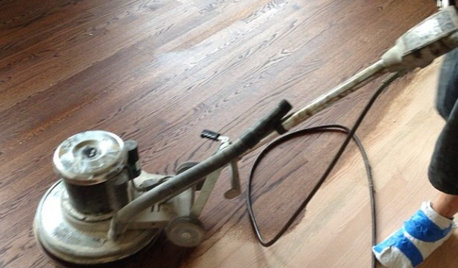
GREAT HOME PROJECTSWhat to Know Before Refinishing Your Floors
Learn costs and other important details about renewing a hardwood floor — and the one mistake you should avoid
Full Story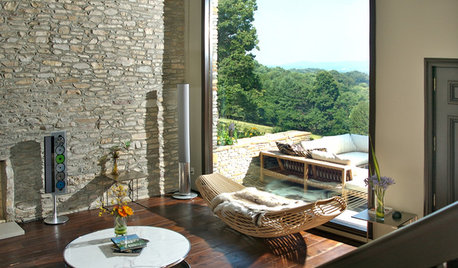
REMODELING GUIDESYour Floors: Zebra, Tiger, and Teak Wood, Oh, My!
Get the Pros and Cons of Exotic Woods: Hickory, Cherry, Rosewood and More
Full Story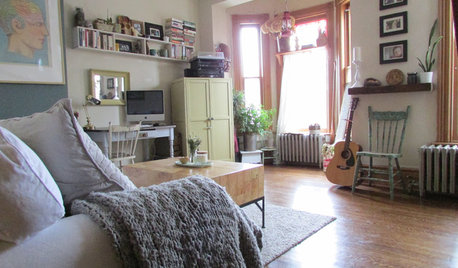
HOUZZ TOURSMy Houzz: Two Floors With a Daycare in a Toronto Victorian
Custom carpentry and an eye for antiques turn a rental apartment into a home that's like a hug
Full StorySponsored

Central Ohio's Trusted Home Remodeler Specializing in Kitchens & Baths

Johnson Flooring Co Inc