

saving radish seeds
Sort by:Oldest
Comments (7)
Related Stories
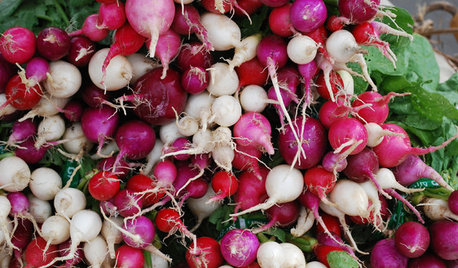
COOL-SEASON CROPSCool-Season Vegetables: How to Grow Radishes
Fast growing and bright, these easy-care veggies are great for kids and bring plentiful color to a fall or spring garden
Full Story
GARDENING GUIDESHow to Plant a New Lawn From Seed
Choose from more grass varieties and save money over sod by starting your lawn from seed
Full Story
CONTAINER GARDENS8 Easy Container Plants to Grow From Seed
Get beautiful blooms and herbs in summer by starting these choice garden picks from seed in spring
Full Story
LANDSCAPE DESIGNGet Along With Less Lawn — Ideas to Save Water and Effort
Ditch the mower and lower your water bill while creating a feast for the eyes with diverse plantings and gathering places
Full Story
GARDENING GUIDES8 Unthirsty Plants Help You Save Water in Style
Spend less effort and money on your landscape with drought-tolerant and native plants that liven up your yard
Full Story
LIFEThe Top 5 Ways to Save Water at Home
Get on the fast track to preserving a valuable resource and saving money too with these smart, effective strategies
Full Story
SHOP HOUZZHouzz Products: Save a Taste of Summer
Can't bear to part with the flavors of summer peaches, berries and tomatoes? Then jam on it!
Full Story
GARDENING GUIDES11 Favorite Edibles for Your Cool-Season Garden
Plant crunchy carrots, crisp radishes, tender peas and other vegetables for fall and spring harvests
Full Story
MOST POPULARSummer Crops: How to Grow Sunflowers
Savor snack-tastic sunflower seeds once the radiant blooms have faded — if the birds have saved you any, that is
Full StorySponsored

Central Ohio's Trusted Home Remodeler Specializing in Kitchens & Baths


theforgottenone1013 (SE MI zone 5b/6a)
daninthedirt (USDA 9a, HZ9, CentTX, Sunset z30, Cfa)Original Author
Related Professionals
Sebring Landscape Architects & Landscape Designers · Plainfield Landscape Architects & Landscape Designers · Scranton Landscape Architects & Landscape Designers · Concord Landscape Architects & Landscape Designers · Ontario Landscape Architects & Landscape Designers · Forrest City Landscape Contractors · Killeen Landscape Contractors · Aurora Landscape Contractors · New Bedford Landscape Contractors · Springfield Landscape Contractors · Fort Myers Accessory Dwelling Units · Baltimore Accessory Dwelling Units · Zanesville Accessory Dwelling Units · Georgetown Accessory Dwelling Units · Coos Bay Accessory Dwelling Unitstheforgottenone1013 (SE MI zone 5b/6a)
naturegirl_2007 5B SW Michigan
robert567
daninthedirt (USDA 9a, HZ9, CentTX, Sunset z30, Cfa)Original Author
John D Zn6a PIT Pa