

Scabs on succulent leaves
7 years ago
last modified: 7 years ago
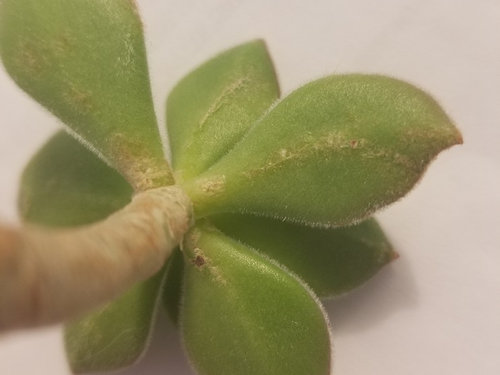
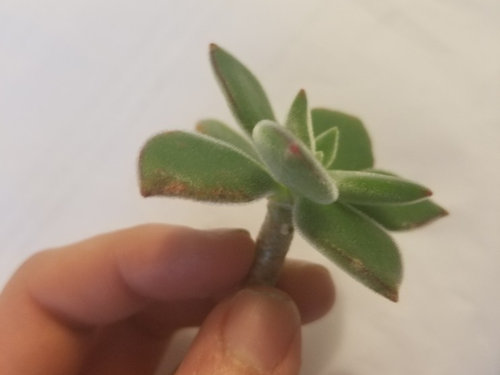
Featured Answer
Sort by:Oldest
Comments (7)
- 7 years agolast modified: 7 years ago
Related Professionals
Bend Landscape Architects & Landscape Designers · Corpus Christi Landscape Contractors · Danbury Landscape Contractors · Worcester Landscape Contractors · Portland Landscape Contractors · Eau Claire Landscape Contractors · Westminster General Contractors · Galveston Landscape Architects & Landscape Designers · London Landscape Architects & Landscape Designers · Bartlesville Landscape Contractors · Davenport Landscape Contractors · Burlington Landscape Contractors · Hopkinsville Interior Designers & Decorators · Spring Interior Designers & Decorators · Eureka Interior Designers & Decorators- 7 years ago
 7 years ago
 7 years ago

Related Stories
FLOWERS AND PLANTSAgave Weberi’s Spiky Leaves Stand Out in Drought-Tolerant Gardens
Weber’s agave is a Southwestern native that tolerates heat and cold, enhancing gardens of various styles
Full Story
SUCCULENTSGardening 101: What to Know About Propagating Succulents
Here’s how to grow more succulents from the plants you already have
Full Story
HOUSEPLANTS5 Favorite Succulents to Grow Indoors
These easy-to-grow succulents make great houseplants in bright, sunny spaces
Full Story
GARDENING GUIDES10 Cold-Hardy Succulents for Cool-Season Interest
These attractive plants shrug off colder temperatures, and many can be brought inside in containers in extra-chilly climates
Full Story
HOUSEPLANTSGrow Donkey Tail Succulent, a High-Impact, Low-Maintenance Plant
Easy-care Sedum morganianum is perfect for hanging planters and mixed containers
Full Story
GARDENING GUIDESPlant These 12 Succulents for Instant Impact in Containers
These gorgeous, easy-care succulents are ideal plants for container gardens
Full Story
GROUND COVERS10 Succulents That Make Pretty, Easy-Care Ground Covers
These low-growing succulents create interest in the drought-tolerant garden
Full Story
CONTAINER GARDENS3 Steps to Creating Quick, Easy and Colorful Succulent Containers
Take a bright container, add a colorful succulent or two and have a professional, summery design in minutes
Full StorySUCCULENTS10 Spectacular Flowering Succulents
These drought-tolerant plants dazzle with their colorful floral displays
Full Story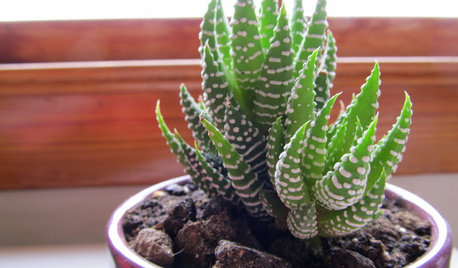
HOUSEPLANTSGrow This Pocket-Size Striped Succulent Indoors
Whatever you call this succulent — zebra plant, haworthia or Haworthiopsis — it makes a great tabletop houseplant
Full Story



Sans2014