

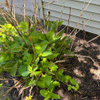
Hydrangea diseased? Help
7 years ago
Sort by:Oldest
Comments (5)

Related Stories

GARDENING GUIDESTree Care: Common Tree Diseases and What to Do About Them
Learn to recognize trees that may be affected by diseases or pests so you can quickly take action
Full Story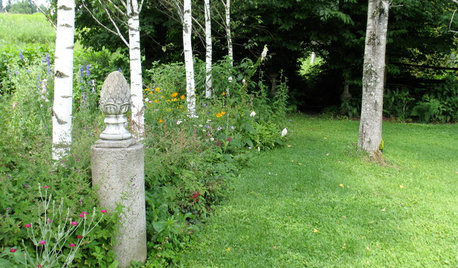
WINTER GARDENINGHow to Help Your Trees Weather a Storm
Seeing trees safely through winter storms means choosing the right species, siting them carefully and paying attention during the tempests
Full Story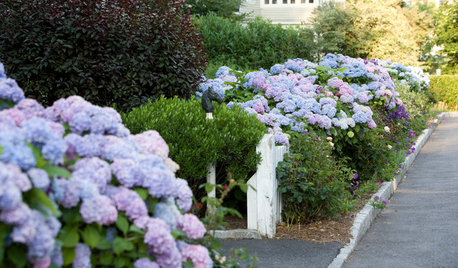
FLOWERSWhy You Should Give Hydrangeas a Place in Your Yard
The exuberant mop-headed beauties evoke dreams of an endless summer by the sea
Full Story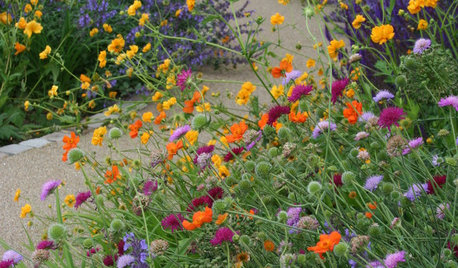
PLANTING IDEAS3 Color Palettes to Help Set Your Garden’s Mood
Select plants in these color combinations to create an outdoor space that’s cheerful, energizing or calming
Full Story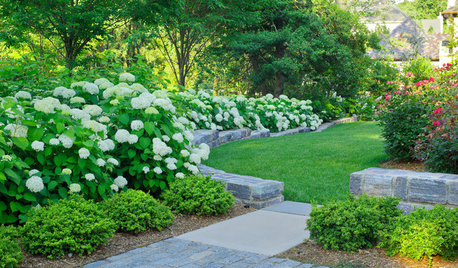
FLOWERS AND PLANTSHydrangea Arborescens Illuminates Garden Borders and Paths
This long-blooming eastern North American native shrub finds a home in landscapes around the world
Full Story
MOST POPULAR7 Ways to Design Your Kitchen to Help You Lose Weight
In his new book, Slim by Design, eating-behavior expert Brian Wansink shows us how to get our kitchens working better
Full Story
WORLD OF DESIGNHow the Tuberculosis Pandemic Helped Shape Modernist Architecture
Doctors prescribed sun, air and the outdoors for tuberculosis patients — and that influenced a new style of architecture
Full Story
GARDENING GUIDESWhen Is the Right Time to Prune Your Hydrangeas?
The type of hydrangea you have determines when it’s time to trim
Full Story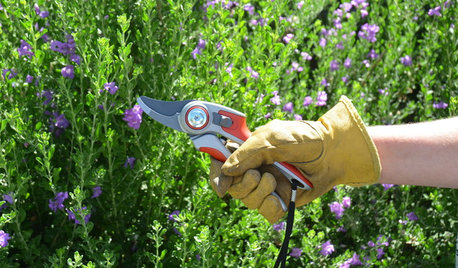
GARDENING 101Key Pruning Terms to Help You Shape Up Your Garden
Learn why heading back, crown raising and other practices are essential for your plants’ health and beauty
Full Story
PETSHow to Help Your Dog Be a Good Neighbor
Good fences certainly help, but be sure to introduce your pup to the neighbors and check in from time to time
Full Story
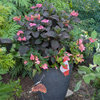
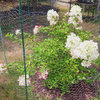
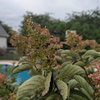
luis_pr
guyground
Related Professionals
Florence Landscape Architects & Landscape Designers · Fresno Landscape Architects & Landscape Designers · Salinas Landscape Architects & Landscape Designers · Kissimmee Landscape Contractors · Middletown Landscape Contractors · Reno Landscape Contractors · Missoula Landscape Contractors · Portland Landscape Contractors · Winston-Salem Design-Build Firms · Martinsburg Design-Build Firms · Rolla Landscape Architects & Landscape Designers · Evanston Landscape Architects & Landscape Designers · Toronto Landscape Architects & Landscape Designers · Huntington Landscape Contractors · Green Bay Landscape ContractorsChristina ContrerasOriginal Author
guyground
luis_pr