Software
Houzz Logo Print
webuser_246580371

help with lawn dying please

6 years ago

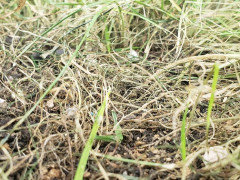
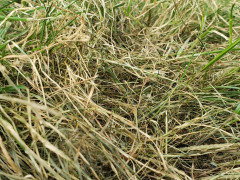
UAbout a month ago I tilled up my yard, laid down new sub and your top soil, used scotts sun and shade grass seed.Soil tested could use slightly more nitrogen but overall all elements where within range.Germinated well and grew well. Fast forward a month and change later.About a week ago the grass started thinning and dying, can pull it up with little effort, raked the yard and almost a whole new yard came out of it . What's going oni applied Bayer advanced fungicide prior to even showing signs of a disease as a preventive and idk what's happening .. weather is warm with sun and I use an underground irrigation to make sure I get my required d watering

Comments (8)

  • 6 years ago
    last modified: 6 years ago


    What would you like me to post from it. And can you elaborate on the mistakes I made please.

  • 6 years ago


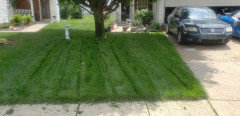
    What it used to look like ^^^


  • 6 years ago


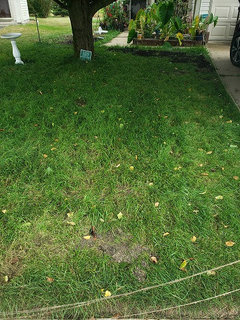
    Now

  • 6 years ago

    Post a photo of the soil test results.

    That looks like pretty heavy shade for any kind of grass. How long did it look like the 'before' picture? Was it like that for years or months?

    Tilling, adding subsoil, adding topsoil, raking, and the fungicide were all mistakes. They were not only a waste of time and money, they are destructive to the process.

    Where do you live and what is your watering routine? How often and for how long do you water?


  • 6 years ago

    ill have to dig up the soil test paper as its been awhile since.

    This is a new lawn that we were trying to establish. the before picture lasted for about 4 months or more than turned into the after pictures.


    Can you explain to me or link me to the reasoning why you say these were " a waste of time and money, and destructive" ? The previous poster said the same thing but not explanation on why.

    I was told this was necessary because of the clay soil underneath the previous. to break it up for aeration, removal of stones an debris ,water, and add better soil . and that's what the instructions on the grass seed say.


    I live in the Midwest. Indianapolis Indiana. When we first put the grass seed down . the irrigation system was set on soak cycles . Therefore it would water in the early mornings at 6am and i believe another short cycle around 1030am, until a week after germination. Then the watering was cut down to once or twice a week for 20-30 minutes depending on previous weather. As of right now its set to water on Sundays for however long to lay down 1" of water . through rotary sprinklers. Typically that takes about 20+ minutes . Thanks for even replying and any help you can offer.


  • 6 years ago

    I can help explain the problems with what you did.

    Tilling: Tilling breaks up the soil structure that took years to develop. It turns the structured soil into fluffy soil sitting on top of the base layer that did not get rototilled (below the level of the tiller tines). When the tiller tines hit something hard like a rock, root, or even just wet soil, the tiller bucks up out of the ground resulting in an area underneath that didn't get fluffed up. So the profile of the ground underneath has a high spot. Conversely when the tiller hits sand or a soft spot, it digs in deep resulting in a relative hole underneath. Then when you flatten the surface of fluffy soil, the depth of fluff varies according to the profile of the untilled soil underneath. When that settles, beginning immediately, it settles to match the hills and holes matching underneath profile. Your soil starts out bumpy and becomes more bumpy for years as the soil forms a new permanent structure.


    Adding subsoil and/or topsoil: The amount of soil needed was already determined by what was there. Adding more will cause the surface to sit high. When it rains hard you'll see mud washing away onto the driveway and sidewalk. A related mistake, which you did not make, was to amend the original soil and then bring in new soil. The new soil also needs to be amended, so amending it the first time is a waste. I have a photo album of lawns which have several inches too much soil.


    Raking: This process pulls out the roots of the plants that were already working to improve the soil. Even dead plants have a positive effect on the soil, because the dead plants become food for the soil microbes. It is also possible that the dead looking plants could have been revived by the use of chemicals or change in watering. I think raking was premature.


    Fungicide: The lawn might have had a fungal disease, but using a fungicide so close to seeding could be a problem.


    So, when you watered the new seed, was the soil ever soggy or mushy? The only part of the soil that needed to be moist was the very top surface where the seed was. Since there were no grass roots, yet, the water didn't need to go any deeper than the surface.


    Another possible issue might have been using too much seed. When that happens the grass will crowd itself out. Your pictures make me think this might be factor.


  • 6 years ago

    This time of year, I would put grubs high on the list of possible culprits. Especially true if it pulls up like carpet. If there is any green, it is salvageable with keeping the soil somewhat moist, putting down starter fertilizer and using something like Bayer Grub Killer Plus with dylox ("24 hour kill"). Plenty of recovery time before ground freezes.

Sponsored
AIS Renovations
Average rating: 4.5 out of 5 stars15 Reviews
Custom Craftsmanship & Construction Solutions in Franklin County, Ohio