

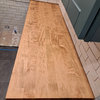
How to remove over-polish on a few planks
6 years ago
Featured Answer
Sort by:Oldest
Comments (16)
 6 years agolast modified: 6 years ago
Related Professionals
Yuba City Flooring Contractors · Provo Flooring Contractors · Santa Rosa Tile and Stone Contractors · Niles Kitchen Remodelers · Durango Home Stagers · Yakima Home Stagers · Sugar Land Custom Closet Designers · Florence Interior Designers & Decorators · Fort Dodge Interior Designers & Decorators · Clarksburg Cabinets & Cabinetry · Auburn Cabinets & Cabinetry · Sanford Cabinets & Cabinetry · Madison Flooring Contractors · Portsmouth Flooring Contractors · Canton Flooring Contractors- 6 years ago
 PRO6 years ago
- 6 years ago
- PRO6 years ago
- 6 years ago
- PRO6 years ago
- 6 years ago
 PRO6 years ago
- PRO6 years ago
- PRO6 years ago
- 6 years ago
 6 years ago
- PRO6 years ago
Related Stories

REMODELING GUIDESConcrete Driveways: Poring Over the Pros and Cons
Concrete adds smooth polish to driveways and a sleek look to home exteriors, but here are the points to ponder before you re-surface
Full Story
HOUSEKEEPINGHow to Remove Water Rings From Wood Tables
You may be surprised by some of these ideas for removing cloudy white water marks from wood surfaces
Full Story
KITCHEN DESIGNSo Over Stainless in the Kitchen? 14 Reasons to Give In to Color
Colorful kitchen appliances are popular again, and now you've got more choices than ever. Which would you choose?
Full Story
DECORATING GUIDES15 Ways to Give Your Home Personal Polish
Let your home sing your praises with decorating touches that reflect your unique personality
Full Story
KITCHEN DESIGNUsing White Marble: Hot Debate Over a Classic Beauty
Do you love perfection or patina? Here's how to see if marble's right for you
Full Story
HOUSEKEEPINGTips for Removing Carpet Stains
Know the right solutions and when to use them to handle stains from coffee, pets, chocolate, ink and more
Full Story
REMODELING GUIDESFrom the Pros: 8 Reasons Kitchen Renovations Go Over Budget
We asked kitchen designers to tell us the most common budget-busters they see
Full Story
FEEL-GOOD HOMEEmbrace a Few Beautifully Weathered Surfaces for a Happy, Durable Home
You don’t need to worry so much about scuff marks and dings when you accept the character and beauty of wear
Full Story
MOST POPULAR8 Reasons to Warm Up With a Wood Plank Wall
The accent finds a place in every room — adding focus, coziness, definition and more
Full Story
HOUSEKEEPINGThe Simple Way to Remove Wax From Candlesticks
Before you make a mess of things, read these easy steps for removing melted wax from your candlesticks
Full Story

SJ McCarthy