Software
Houzz Logo Print
bernbecca

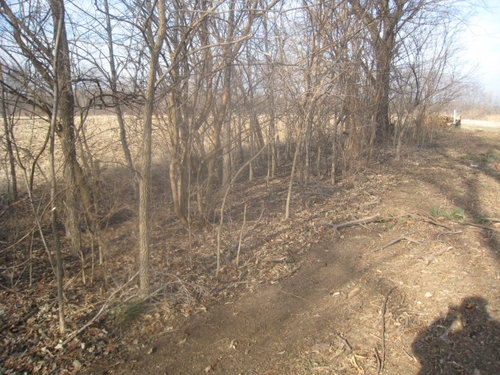
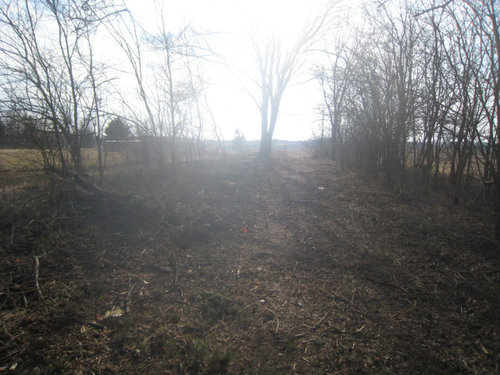
thicket??? wild trees, what to do with this???

6 years ago
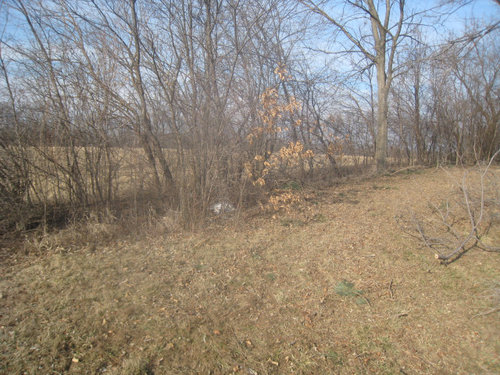
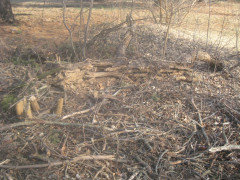
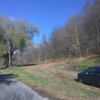
So when we bought this house it had a "windbreak of 3 rows of different pines on 2 sides of the yard. Planted way too close and some dead trees and vines intertwined. Well after 15 years we are down to one single row of white pines. The sickly trees have all been cut down the last to go last week. What I have left is this "thicket" or whatever you call this wild group of trees. Should I leave these as is or thin them out? What will happen with them all being so close together? Lots of poison ivy and black berries have been growing in there. There is a farm field behind and then new houses, I really don't want to look a housing development. I wanted to add some dogwoods and things like hostas


and columbine but may need to wait and see how much shade will be there without the Pines. I did order a bunch of Norway Spruce seedlings, but plan to use them to block the view of the new houses where I don't have the thicket

Comments (13)

  • 6 years ago
    last modified: 6 years ago

    That looks like what I'd call a copse. A valuable windbreak, erosion control area, privacy feature and wild life habitat. Personally I'd leave it alone.

  • 6 years ago

    I would leave it but clean it up. Cut the vines, (beware some may be poison ivy). and some of the small bush like plants/trees that look messy. Once you have made it look neat and appealing start planting with flower trees and bushes so it adds to the back yard not detracts. At this time you have the option of making it a more formal garden or making it an open wood land area.


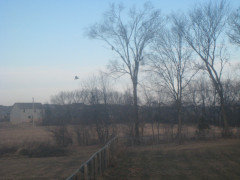
    In the top picture it looks like there is a good size tree that could anchor the hole area. Over time you can slowly widen it so it will look like a wilder area not a strip. If you make it wide enough it will become a game trail and may attract the large animals like deer, that like the transition areas between open fields and deep woods.


    Remember as this matures you will spend more time keeping it looking "natural" that you will mowing your yard

  • 6 years ago

    it surely doesnt look like you are trapped in tiny suburbia .... do you really need that space ... cant you work in front of it if you insist ...


    i would leave it ...


    ken

  • 6 years ago


    Remember as this matures you will spend more time keeping it looking "natural" that you will mowing your yard


    And there in lies the problem. I've been waiting 15yrs to get to a point where I can clean it up and still have a woodsy feel, but I'm not getting any younger and think my front garden beds may be all I can handle.

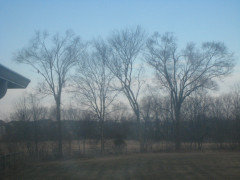
    this is a pic taken from my kitchen window on zoom, you can see the two large birds in tree on left. They are there often, not sure if they are eagles or hawks, never get close enough.

    taken from my deck on zoom as you can see they don't let humans get close

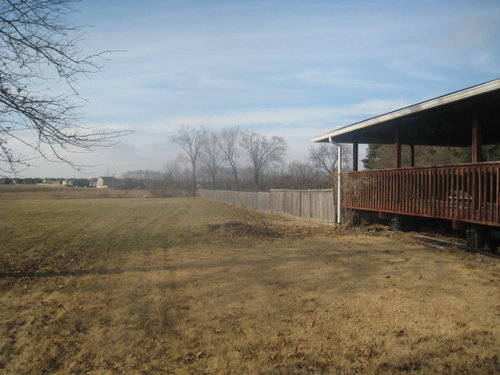
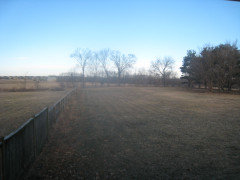
    taken from my deck without zoom and yes I have a wood fence running down the center of my yard, this area is the dog yard

  • 6 years ago

    it surely doesnt look like you are trapped in tiny suburbia .... do you really need that space ... cant you work in front of it if you insist ...

    yes I can leave it, but was wondering about how close those trees are and what happens as they mature. There are some oaks in there that I would like to see thrive, but they are in a mass of other trees. Now the line where the Pines just got cut down I would like a more tidy woodsy, dogwood, rose of Sharon area, just with a more natural boundary vs the straight line. Yes the Pines needed to be cut down as they were falling down

  • 6 years ago

    Agree w/floral -- nothing wrong & alot of things right having a narrow "wild" area.

  • 6 years ago
    last modified: 6 years ago

    If you want to do some decorative gardening there do it in close, near where the house is.

  • 6 years ago

    I love my black walnut thicket! Stuff just pops up there, I go fight the honeysuckle and vines, was leaving ash seedlings, now I have a 3 foot tulip tree and a bunch of redbuds and two kinds of elderberry.


    SS

  • 6 years ago
    last modified: 6 years ago

    Try to identify what species of wild trees and vines are growing in your hedge. Remove the ones that are invasive species and allow the remaining ones to grow and thicken up. Its always advisable to have trees of a variety of ages so if you lose the mature ones, you already have a head start regrowing them. You have a huge expanse of lawn which could be turned into productive land for wildlife with the addition of native trees and lawn free zones under them. It would make the sight screen more 3 dimensional and natural looking to have the trees placed in the lawn. Edit:especially in the unfenced area with no trees or hedge.

  • 6 years ago

    If you have raptors living in the area and they are using the area, that in its self is worth keeping it. If the raptors are using it I would consider expanding it, to attract move of them.


    The area we live in has both black and turkey vultures. When I saw a couple dozen in the trees in the back of my lot my first impulse was they have to go. (they tend to flock together) Now a half a dozen years later, I find they are clean birds, and quite interesting to watch.


    Also leave some of the dead trees, as they attract woodpeckers. Hopefully you will get some Pileated woodpecker. They look like something from Jurassic Park.

  • 6 years ago

    I'd clean any invasives out and then turn it into a feature......a defined hedgerow, with the addition of native plants attractive to wildlife and/or the careful selection of non-natives with similar attributes.

  • 6 years ago

    Gardengal, you bring up a good point about native wildlife. Some animals do need a little bit of room that isn't sterile suburbia or golf course.


    Even something as mundane as bunnies feel better with some cover about.

Sponsored
Hope Restoration & General Contracting
Average rating: 4.7 out of 5 stars35 Reviews
Columbus Design-Build, Kitchen & Bath Remodeling, Historic Renovations