Software
Houzz Logo Print
katiemarielarsen

Help turning weedy woods into native wildflower garden!

6 years ago
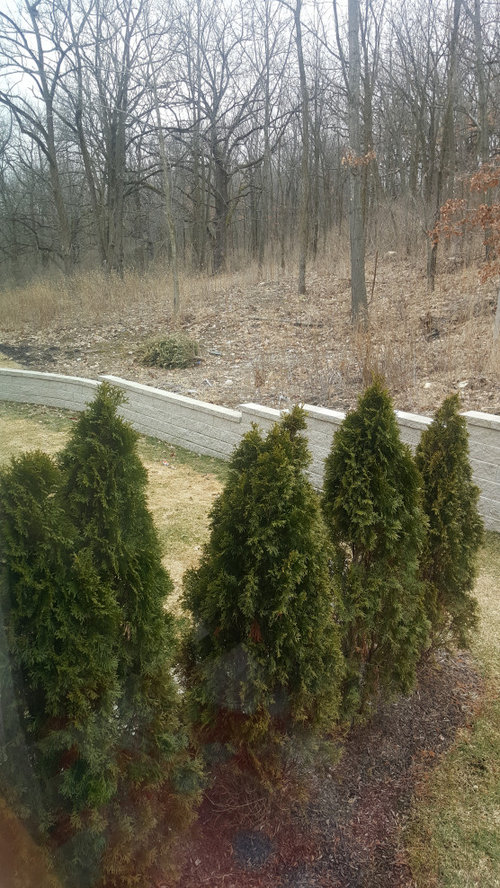
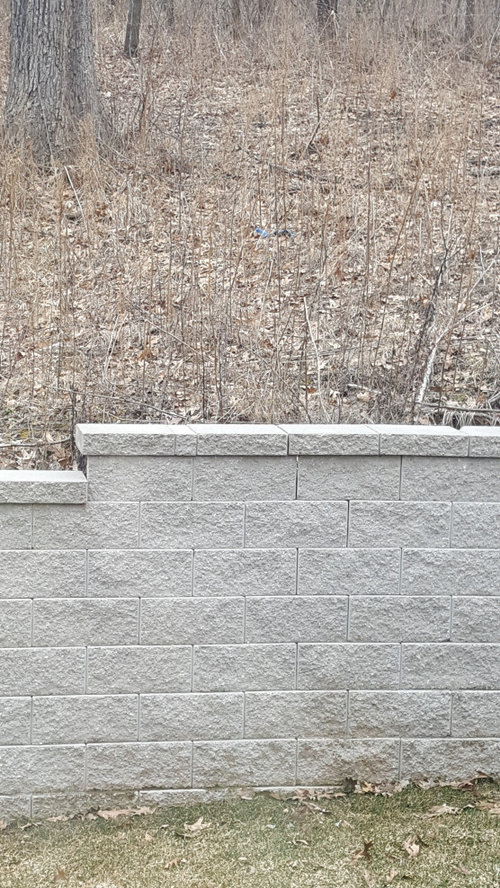
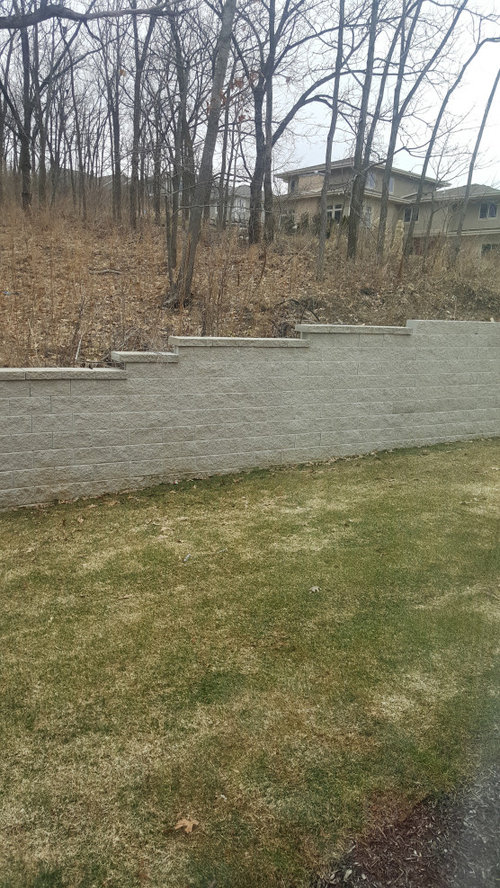
Hello! I live in Wisconsin (5a/5b). The area behind my townhouse is owned by my landlord & she is ok with me planting wildflowers behind the retaining wall. The area closest to the wall gets full sun & farther back it gets partial sun.

I need advice on the best way to clear the current weeds & how to prep the soil before I plant the wildflower seeds. I am wanting to plant this entire area but only going maybe 10ft back from the retaining wall. Feel at a loss as how to get started & what to do!

I have read about a tilling method 3x (2 weeks apart). I have also read about laying tarps down for 8-10wks to kill the current weeds. What tools would I need to rent or buy? Would a weed whacker be strong enough to trim the current dead weeds down? Any advice would be greatly appreciated!

Since I rent, I only want to invest maybe $200 & have look

Comments (26)

  • 6 years ago

    Also, I would not cut down any of trees & would potentially be ok with investing more money if it was for a tool I would frequently use once we buy a house.

  • 6 years ago

    You don't want to injure the surface roots of the trees in the woodland. I am currently clearing out a woodland area. I have found the best method is to wait until the day after a soaking rain (which we have had a lot of this winter and have rain forecast everyday this week) I go out an pull up any seedling tree/bushes that will pull up easily and dig up those that wont. It is a slow process but it is the only way to eliminate them. I just concentrate on a 6 ft x 6 ft area at a time and then rest. Working systematically you will be surprised at how large of an area you can clean out in a few weeks if you will do this every evening.

  • 6 years ago

    Thank you so much for you reply and information!! I definitely don't want to hurt any of the trees. I initially was hoping for a quick power-tooled/not labor intensive method, lol! However, I imagine the best results come from actual hard work & I am currently starting a 2 week (thankfully paid) Corona-related time-out. I could use the exercise & a project! Should I concentrate on pulling out all the dead weeds 1st until I start seeing new spring growth? My understanding is it won't be warm enough to even plant until almost May here.

  • 6 years ago

    Buy a good weed whacker and a pair of loppers. Cut everything other than the large trees down to the ground in the area you want to have wild flowers. Rake out the larger debris. You don't need or want completely bare ground. Sow your seeds directly on the ground and rake them in with a hard rake. Done.

    Next year at some point over the winter mow it all down again and sow more seeds.

    Mow once a year, sow wildflower seed. That's all you have to do. Wild flower seeds are very easy to buy online in bulk and selected for your zone and site conditions.

  • 6 years ago

    The seedling trees and shrubs will send up new shoots but if you do keep it mowed the lawnmower will keep them short. My area is not amenable to lawn mowing so I am grubbing them out.

  • PRO
    6 years ago

    "It [weed pulling after a rain] is a slow process but it is the only way to eliminate them." Actually, it is not. A very quick and more effective way to eliminate weeds is to spray them with Round-up (glyphosate). And cutting weeds, such as with a weed whacker, is not going to stop any of the perennial weeds from regrowing. For them, cutting is just pruning. For annual weeds, they just sprout and come as they always do. Once weeds are kill-removed, one would need to be vigilant with hand-weeding for awhile in order to keep the annual weeds from taking over while the wildflowers are coming on line.

  • 6 years ago
    last modified: 6 years ago

    I like red-twigged dogwood shrubs planted in a group, and could it work at edges of the trees, in the back of shorter greenery.... with evergreen at the front, with a few Autumn Joy sedum, shortest.

  • 6 years ago

    I suppose there are many prairie plants, like brown-eye susan... they are ideal in a naturalized situation. Tolerant of most conditions, but does best in full sun or light shade in sandy, loamy soil.

    https://wimastergardener.org/article/brown-eyed-susan-rudbeckia-triloba/  

  • 6 years ago

    How long have you lived there? Have you seen the area in the spring and summer seasons? I absolutely agree with Christopher. There may already be wildflowers growing there. That is why I would not use round up. I would also not use prairie plants because this isn't a prairie. It's a woodland edge and there's an appropriate ecosystem to match. For example, N America has a multitude of gorgeous woodland ephemerals. At this point I'd just break out the weedwacker or mower and watch for what appears.

  • 6 years ago

    Katie, I would urge you not to do a thing until you have seen the area through one complete season and have identified what kinds of plants are growing there already. The area looks natural as it is. Make a photo-journal of the area each week with close ups of plants that you find of interest or of something to investigate. Do this for the entire year before you take any action. You need to find out if there are any rare or endangered species in the area you wish to cultivate. Google rare or endangered plants of Wisconsin. Also here is a link to a commercial grower handbook on the plants of Wisconsin. Use the enlarge page to get a good look and the enlarging slide-bar at the bottom to read. You may also want to find out what species naturally occur in the area so as not to introduce any that are not native to that particular ecological setting. Here is the link:

    Wisconsin Native Plant Guide

    Also to help you determine if you are facing off against non-native intrudents here is a link to a way of finding out:

    Weed Identification and Management University of Wisconsin

    Also you should learn about what kinds of organisms are currently living in and upon the soil of the area in question and their dependence upon the plants that are currently found there. to give you support in this respect check out this link:

    Wisconsin's Ecological Features & Opportunities for Management

    It is my belief that in addressing the site you are interested in modifying that the links listed are essential in both enhancing and in protecting the integrity of the site in regards to its native status and will provide for both plant and animal life in the area.

    Good luck in your venture.

  • 6 years ago
    last modified: 6 years ago

    Assuming this is your first year here and you haven't seen it in summer so don't know exactly what good/pretty "weeds" you might already have (milkweed, joe pye weed, iron weed, native grasses, to name just a few), vs what undesirable or unruly plants you have.

    And assuming you want at least a bit of instant gratification (I know I would!) consider buying a few already started plants and digging them in near the wall. See how they do over summer. Study the websites provided in above post. Then, this fall you will be in great shape to enhance your woodland edge with maximum impact, minimal wasted dollars, minimal wasted effort.

  • 6 years ago

    Thank you to everyone who has replied! To clarify, I have lived here for over a year, this is why I wanted to plant the native wildflowers. The only beneficial plant I saw growing last year was 1 lone milkweed plant!

  • 6 years ago

    I'd still play a long game. Were you able to identify all the plants you saw last year? Many natives and beneficials are not particularly showy. They might look weedy but are still valuable members of a plant community. Do you have any pictures which would help people id the existing species?

  • 6 years ago

    I would start with just a few native plants, such as adding to the milkweed. Splurge on a few potted. Don't buy those wildflower seed mixes, lots of times they have things that won't grow in the area. Get the individual packages.

    I would learn which trash trees and shrubs are in your area and how to identify them. Such as privet! I think every one has privet. I have Privet, Tree of Heaven,, Princess Tree, and Autumn Olive. Work on pulling those.

    https://savvygardening.com/longest-flowering-perennials/?fbclid=IwAR2mHoWLDxVrdifwmY4sbsRxVizWngHMNAJFesHbjtdnh3hod8er3ewBuK0

    https://beautifulnativeplants.blogspot.com/2016/02/more-love-for-native-vines.html?m=1&fbclid=IwAR0OUh1K2okjdShMhDZzpb099wXaZPgBeygaD9k7gI5xRnUAC9lmu2GCP3E
    Don't spray Round Up, because you will see more and more wildflowers and beneficial weeds sprout.

  • 6 years ago

    I'd read up on wildflowers and figure out your exposure. Then, I'd get some seeds. Many NA wildflowers need a period of cold, some seeds are already processed with cold. I'd start out with tall flowers, like Veronicastrum and Joe Pye weed. Identify what you have. I have a lot of native aster-weeds. They are pretty when blooming en masse.

    In general, it's hard to just put seed on the ground and expect them to grow. You either need to start the seeds by hand in pots and transplant or remove all that's growing in the ground and plant the seed in the prepared area.

  • 6 years ago

    If Toxicodendron grows in your region I'd watch for that while doing any tidying of the site.

  • 6 years ago

    I was just going to ask how good you were at identifying wildflowers and floral beat me to it. The wooded area in my backyard used to be full of jewelweed and bee balm. Over the years, it's been overtaken by garlic mustard and others. I'm currently waging a battle to reclaim the desired plants. It's not a process for the faint-of-heart. Good luck.

  • 6 years ago
    last modified: 6 years ago

    There are numerous reputable online nurseries selling high quality seed mixes for countless site conditions and climate zones. Do not buy individual seed packages. You need bulk not tiny sprinkles.

    https://www.prairiemoon.com/seed-mixes/ is right next door in Minnesota.

    There are also countless ways to go about making a native wildflower garden and these seed sellers will have very specific instructions should you want to follow them. In a rented townhouse and borrowing wild land, on a slope to boot, outside your unit's property, it just doesn't make sense to go overboard.

    Mow it. Rake out the big debris. Sow seed. There will be more flowers than before. If you are there for a few more years, annual seed sowing will make it better every year.

    There are no weeds in a wildflower meadow, particularly a rented one. Ignore them unless they are truly thuggish.

  • 6 years ago

    Trust me, my way is best. You get to invest in two good tools, some exercise outside in the fresh spring air - during this episode, and you get to splurge on some great wildflower seed. There could not be a better gift to the land.

    What is growing there now is native or long ago naturalized. That is your living green mulch. Mow it. You don't want to get rid of it, you want to plant right in it. When you get to know the plants, then you can start editing them for clarity.

    Toxicodendron is short hand for Poison Ivy. Always good to learn that one plant.


  • 6 years ago

    Don't forget that each county has a cooperative extension agent who can be consulted with any additional questions you have. They are a great fount of information about all things related to growing things in a particular planting zone.

  • 6 years ago

    I have been looking up native wildflowers & invasive weeds. A good majority of what grew last year was smartweed & ragweed! Christopher is feeling my vibe/intention, I know it won't be a perfect wildflower garden but I want it to be better than it is! I want to plant pollinators & put up a bee house.

    After living in a big city for almost a decade, it is so nice to be near a wooded area but I was disappointed last year when (although yes they are native-ish plants) it was mainly green weeds that grew! My landlord does own the land I will be planting on.

    Does anyone else have thoughts on weeding the big things & then putting down a tarp to start fresh? a few close friends have recommended that route. And they have mentioned that even if the milkweed dies or other beneficial plants, that I would be actually planting more beneficial ones overall.

  • PRO
    6 years ago

    Katie, I would suggest checking out the Facebook group 'Native Plant Gardens in the Upper Midwest'. I'm a member of that and it is an invaluable resource because you can ask members questions and also search the group page for anything you want to know about native plants. You might even find someone in your local area to help you out! P.S. Check out Prairie Moon Nursery for native plants. They ship them to your door. Best of luck!

  • 6 years ago

    Tarps have a smothering effect that is not desirable.

  • 6 years ago
    last modified: 6 years ago

    We live in WI, same zone and are about 5 .years in of converting several large over grown beds into native plantings. We dug a lot out and then went with the smothering route for a lot of it because we had somewhat contained yard areas of ditch lily that were just so badly overgrown.

    My personal opinion is to agree with Christopher C NC. I think he might of said it best, but if it's helpful I can add what I can.

    Smothering and chemicals do not seem to be practical with what you want to do here. It's a big commitment to kill off everything and start over, without ending up with just as many or more of what you wanted to get rid of to start with.


    There are plenty of natives that will love to grow in that soil as is. Things like common/wood violets, goldenrods, big leaf aster, golden grounsel, black eye susans, milkweeds, butterfly weed, etc should have a chance to hold their own, and the bees and birds will benefit a great deal. There are also native shrubs that could work and be beneficial.

    Someone mentioned Joe Pye weeds and culver's root which might work nice for you also (our rabbits love the joe pye weed when its first sprouting so we don't have as many. They also ate all our cone flower)

    Just go in and carefully pull out the things like garlic mustard and buckthorn, that offer zero value to wild life and that smoother beneficial plants.


    You can poke some holes and plant specific plant seeds. Plant just a couple kinds so you know what you're looking for as it grows, or just plant a bunch and forget it other then the worst of the bad weeds.

    Or if you start the seeds indoors and grow them as plugs you can use this drill attachment to make plug holes to pop them in. (I watched a master gardener use this to beef up her plantings around a pond, She said it helped by not disturbing the rest of the soil, which can encourage weed seeds to grow.)

    https://powerplanter.com/? keyword=power%20planter&matchtype=e&sncid=14&utm_source=google&utm_medium=cpc&utm_campaign=brand&adgroup=brand&gclid=CjwKCAjwvtX0BRAFEiwAGWJyZPjlsjDZNxN_E-CX_Ium7Ki2s5PoqBvs2ZW6QwHL0YKaNRU1RGPYZBoCpK8QAvD_BwE


    I've bought seeds and flats of plugs already grown from Agrecol native nursery in Wisconsin. http://www.agrecol.com/

    and Prairie nursery https://www.prairienursery.com/store/groundcover-plants/page/1?_url=groundcover-plants/&_page=2


    You can also check out the local chapter of https://wildones.org/ for tips and resources. They have a seed exchange met up, I think in the fall. (new members encouraged)


    This might also be a useful book if you are still learning invasive species called Invasive Plants of the Upper Midwest:

    https://www.abebooks.com/Invasive-Plants-Upper-Midwest-Illustrated-Guide/30434932321/bd?cm_mmc=ggl--US_Shopp_Trade--used-_-naa&gclid=CjwKCAjwvtX0BRAFEiwAGWJyZLZ0HNTSSa2ynRehaB0ezU1hRmI0oQoPGtXfDzjMegRobsoPz2AtkBoCHUMQAvD_BwE


    A link for some other suggestions of hardy natives written by Johnson's nursery expert: https://www.kb.jniplants.com/naughty-natives-part-3/


    If you go on the midwest garden lovers group, or anywhere else, be careful of what you accept as free. Be careful not to introduce things like snow on the mountain, orange ditch lilies, etc or invasive bugs/worms.


    Lastly if by chance you are in our area in SE WI and feel like you need a weed wacker, we might have an extra you can borrow.


    I also agree, you are giving back the land a great gift.

  • 6 years ago
    last modified: 6 years ago

    Agrecol , that I mentioned, has answered questions for me both my email and phone. Very nice people. Maybe see what they say. http://www.agrecol.com/


    kind of related side note: I also have some extra micro clover seeds I sow them into thin spots in the lawn. They aren't native but the bees like it, it looks nice, and it doesn't endanger any natives.

Sponsored
Wannemacher Interiors
Average rating: 5 out of 5 stars26 Reviews
Customized Award-Winning Interior Design Solutions in Franklin Cnty OH