Software
Houzz Logo Print
webuser_988358811

Dry cleaning disaster! I need help!

6 years ago
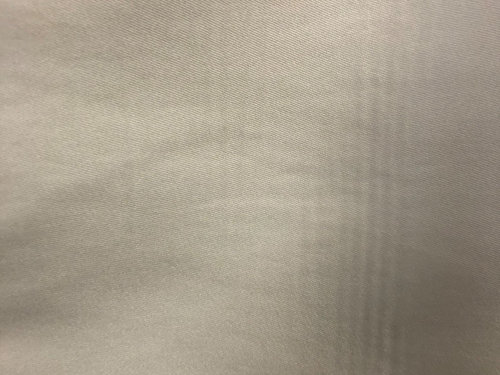
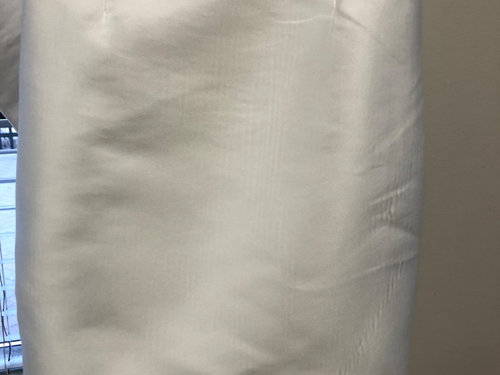
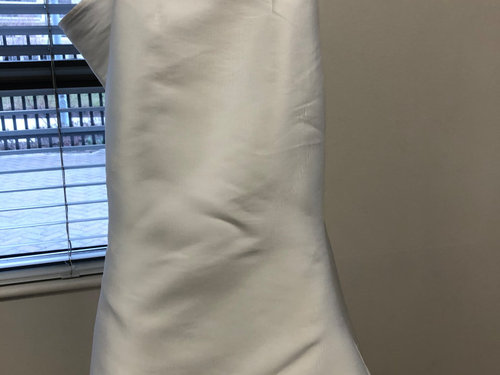
Hi all. I am wondering if I can get your help as I do not know if my dry cleaner is telling the truth. I got my beautiful satin wedding dress dry cleaned before my big day and now it’s ruined! Can I fix this? He told me he had hand steamed it 4 times. Did the material react to the dry cleaning? He says that “this happens” which I don’t understand! It’s a polyester 70 silk 20 blend. HELP!


Comments (15)

  • 6 years ago

    Aw thank you for your comments! I know it’s silly to think this but it’s so hard not to! As I’ve been looking forward to this for a long time :(

  • 6 years ago

    In my own experience, I have seen polyester blend fabrics shrink from heat and steam of an iron, and it can shrink unevenly, just like the dress in your photo. (I do not trust polyester when it comes to shrinking)


    Also, satin (satin weave fabrics) can be a "bear" to iron flat. I have a lovely black St. John dinner suit with an white satin portrait collar that looked great .... until it went to the dry cleaners. The wrinkles in that satin ..... ugh. It has never looked "brand new" again...ever.


    And, it could be that your cleaners does not have the experience to get it done right. That might be what happened with my portrait collar,..it is hard to know. It's done, and I still wear the suit.


    But seriously, like colleenoz said, please do not stress over this. Everyone will be looking at your face. We have a whole lot more to stress over these days. Anyone who is picking apart your dress or its wrinkles just needs to get a life. The most important thing is your marriage and life together.

    HU-988358811 thanked Cavimum
  • 6 years ago

    @Cavimum does it look similar to that? And how did you try to fix this? Will steam pressing this make it worse??

  • 6 years ago

    Also thank you to your comments it means a lot!

  • 6 years ago

    My collar did not shrink, but it has terminal wrinkles. Because it is a collar and has two layers, I have not tried to fix it, I just wear it ans ignore the wrinkles, even though it is pressed.


    With a dress, you are dealing with one layer of fabric. If you want to take a chance, sometimes a vinegar and water solution lightly misted into fabric and then ironed might help. Definitely use a press cloth between the iron and your dress. This might or might not work and --> could cause more shrinking. I make no promises.

  • 6 years ago

    Do not iron this material. You need a pro steamer, hot and powerful. Test on an inconspicuous location. It may take an hour of working with it but could improve if you steam, steam, steam. Dress should ideally be fitted over a dress form during the steaming process. Any chance at all you have a backup dress that could be obtained in time?

  • 6 years ago

    @Aglitter I do have one back up, but I really do love this dress! But I don’t know if it’s salvageable :( i guess it doesnt hurt to try though. where would I get a pro steamer? I have a regular steamer

  • 6 years ago

    Try your regular steamer then, but if it produces a weak steam I don't know how well it would work. You may have to spend an hour or two steaming, seriously. Use distilled water and hold the steamer very close to the fabric. The dress should be hanging and preferable shaped underneath with a dress form, but in the absence of that maybe crumpled paper (no ink) would work. Let us know how it goes. Don't give up until you have tried working with it at least an hour. This could take time. The stores where you could get a powerful, blowing steamer are probably all closed right now with the pandemic restrictions. Whatever you do, please don't iron. The amount of heat you need to release these wrinkles would melt the polyester if you used an iron straight to the surface.

  • 6 years ago

    @Aglitter would you steam from the inside of the dress opposite side of the fabric or directly outside on the fabric? I’m worried it’ll ruin it more on the outside. I can’t believe it would take hours??

  • 6 years ago
    last modified: 6 years ago

    Hi, you won't get very far steaming from the inside of the fabric and could end up doing more damage by steaming creases into the face by not being able to see it while you are steaming the wrong side. That's possibly how your damage occurred--your cleaner said he steamed the dress, but he may not have been working with the face stretched vertically over a smooth surface, ideally a dress form. If he had a high-powered pro steamer, he could have created those wrinkles in seconds. The dress could have also picked up wrinkles in the dry cleaning process and then the steaming he did was ineffective to correct that, but my guess is that his steaming procedure made it worse, heating up those polyester fibers and then re-forming them as creases as they cooled. What you want to do is heat the fabric up with wet heat just enough to re-form the creases over a tight, smooth surface like a dress form or a simulated dress form, and then let them re-cool flat without melting the fibers.

    Let me just state my limited qualifications, here. I am an apparel patternmaker and have worked in a number of different types of shops, but my reference for your dilemma at this moment is my time spent working with a company that did mostly high-end evening gowns. We used the steamer a lot to shape those garments. When we had damage to material, which was sometimes inevitable by the way fabric is wrapped and creased on bolts and stored in hot warehouses, we would use a steamer to release those wrinkles. The process took a long time with the most severe of damages, up to an hour or more, but it can work wonders if you keep at it. With more delicate fabrics you would need to use a less powerful steamer setting and take longer to accomplish the goal, but your home steamer would probably not be too powerful for what you have even on a maximum setting. Be sure to test an inconspicuous spot before applying steam to the visible areas.

    We always steamed with the evening gowns fitted over dress forms so that the shape would be formed correctly over a tight, smooth surface curved similar to the body shape. I'd highly recommend you stretch out that dress with something to simulate a body shape if you don't have a dress form. You could use a clean, white, 100% cotton t-shirt, close it with a twist-tie at the hem, and stuff it as tightly as possible to fill out the dress with wadded white tissue, other clean paper, even other scrap fabric, to make yourself a smooth surface against which to steam. Then hang the dress and move the steamer up and down, up and down. Play music or something to keep you occupied, because it is tedious, and you'll need to stay at it. I say my qualifications are limited because I have traditionally worked more on the patternmaking end of production, but I have seen the steamer used successfully in these types of situations and done it myself on occasion.

    Directly ironing a fabric flat on an ironing board with enough heat to affect the set-in wrinkles in a fabric with 70% polyester could irreversibly melt those fibers and shrivel a spot or even burn a hole, so I wouldn't recommend that at all, even with a wet pressing cloth. Try the steamer first. It's good you have a backup gown! I know that dry cleaners make you sign away most of your rights when you hand over your items to be cleaned, but it almost sounds to me like you have a case for asking for repayment for damages to the gown.

    HU-988358811 thanked Aglitter
  • 6 years ago

    @Aglitter thank you so much for taking the time do write this. You said you’ve seen dresses like this, and worked on them. Did the creases go away? I am wondering the cotton Shirt would go inside the dress, then stuff with white tissue after that? I am not quite sure what you mean. Its hard as I do not have a dress form. I know I did sign a waiver that’s the thing.. but I really think they damaged the gown and he is giving a hard time with giving at least a portion of it back. its just so unfortunate.

  • 6 years ago

    "The dress could have also picked up wrinkles in the dry cleaning process"

    That is what happened with the satin collar in my dinner suit.


    Everything Belaria has said makes perfect sense to me.


    FWIW, I've never seen polyester melt under an iron, it is possible if the iron is too hot, but I *have* had nylon thread (wooly nylon) melt under an iron's "Linen" setting.

  • 6 years ago
    last modified: 6 years ago

    You want to make sure you don't re-steam new creases into the dress, and you also want to provide some tension to help flatten out the existing creases as you apply steam, thus the idea of padding underneath to simulate a body form. I suggested a 100% cotton t-shirt because you don't want anything underneath that will melt and damage your dress from the inside due to heat. Anything with color in it or ink could also transfer, so use white fabrics or white tissue paper. A pillow might work, but be careful since many of them are filled with heat-sensitive synthetic fibers, and I'd wrap that pillow in a 100% cotton t-shirt if you go that route. Hang the dress up, maybe over a door sill, so gravity can help pull those creases downward as you apply steam. Try to get the upper body part of the dress padded out, and then use your hand to pull out the layers of the skirt straight as you steam. Be patient and don't give up after just 30 minutes if you aren't at your goal. It may never work, but it also could work after an hour whereas you might not be there in just 30 minutes. Some of it depends on the type of polyester (how heat-resistant it is) and what the temperature was at which the creases were originally set.

    The evening gown manufacturer where I worked utilized mostly velvets and silks, but the velvets were polyester blends for the most part, and they did wrinkle and crush horribly sometimes due to how the fabric was stored before being made into garments. A steamer was an essential tool to both shape the fabric and address fabric damages. This was usually done on a dress form. Sometimes fabric was laid flat on on ironing board and steam was used, mostly during the construction process, but the steamer or steam iron did not actually touch the fabric in many cases.

    The maximum temperature of most home irons approaches the minimum melting temperature of some polyesters, but damage can occur below the melting point. It might be worth the risk to directly iron a curtain from a discount store but a different story on your wedding dress for an upcoming wedding. A steamer can apply diffused high heat over a longer period of time than a direct iron, minimizing risk.

    Dry cleaning a polyester/silk blend fabric would have favored the silk and not so much the polyester. Unless this dress has embellishments we cannot see that would be at risk in water, I would have recommended hand washing and air drying if it needed cleaning. In fact, many dry cleaning facilities hand wash wedding gowns in water and do not send them through the dry cleaning chemicals. It is uncertain how this dress was treated other than the "steaming 4 times" that was mentioned. Had the steaming been done with the dress fitted over an appropriately-sized dress form, we might not be having this conversation.

  • 6 years ago
    last modified: 6 years ago

    I'm going to speculate, based on 40 years of alterations.

    The cleaner put your dress on a "puffer." It steams your dress pushing pressurized steam from the inside flowing out. 99% of the time, the result is excellent..

    In this case, the bottom of the form poofed out so much, it created that crease where the dress wasn't as full as the puffer. the dress rode up on the form, and that's where the crease came from.

    In the bridal salon, we steamed dresses hung on a cardboard form, from the inside out.. That way, there was no pressure on them, we let them hang a few minutes after finishing, because they can be a little damp, and stuffing them back into those non-woven fabric bags would be counter productive.

    You could try taking a hand steamer, working from the inside out, softening up those fibers to see if they smooth out. As a practical matter, I suspect that trying to put a wedding gown on an ironing board to get out those folds will inadvertently create more. I wouldn't. I think you will get more creases on this putting it on.

    No one is going to say, "It's shame her dress has those creases." If you're walking down any aisle, Only the people directly on the aisle would see your dress. Everyone else in only going to see you from the bodice up. If you are getting into a car to go to the ceremony, there will certainly be more creases created in transit.

    The people you love are coming to see a rite of passage: you pledging to love, honor, support one another, and eat cake. Hopefully, cake with yummy buttercream, rather than fancy, perfect fondant. Your **marriage** is infinitely more important than your dress.

    Hold your head up and smile. As one bride's mother told her, "The most attractive thing a woman can wear is confidence."


    HU-988358811 thanked c t