Software
Houzz Logo Print
ralph_zone8_nc

Grass-type and pest identification

6 years ago
last modified: 6 years ago
Hi All,

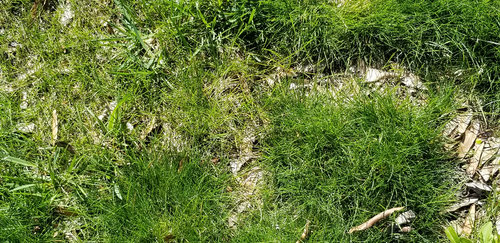
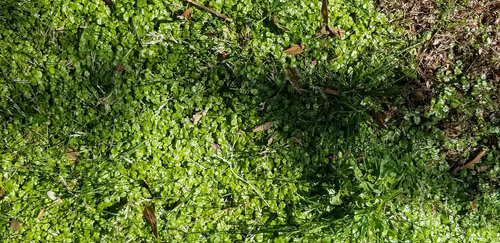
In the front-yard, I have a mix of bermuda and some other grass. When the bermuda is dormant, I see this grass. Is this Rye grass? This has always been the case, just need help identifying it. It has been here since we moved to this house 4 years back. I don't mind any bit as it looks great when the bermuda comes out of dormancy.


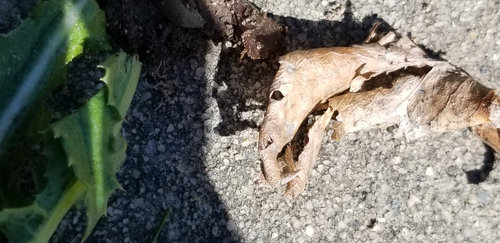
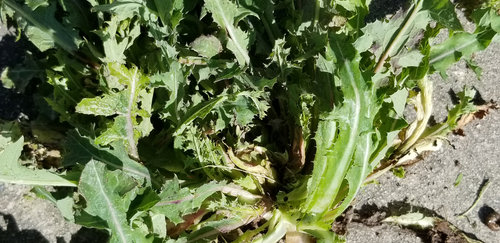
Also I hand-pulled this broad-leaf weed. I may have applied a lighter app of (0-0-7 Lesco Pendamathalin) in the past but just applied pre-em again almost a month back. While it has prevented crab-grass, I understand I need to look into Prodiamine (Barricade). Question is will Barricade prevent this weed and creeping Charlie(picture below)?


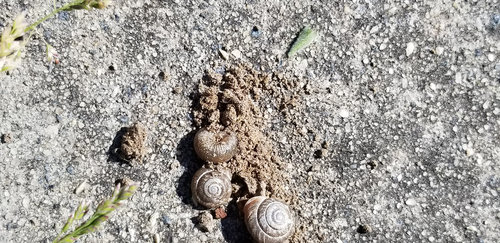
My other issue is this bug, I think these are grubs. I spot treated it with granular grub control couple of years back in just one area but looks like it is back. Also the dark-green grass which is in my front-year was brown in certain areas inspite of watering in fertilizer last summer. Is it possible I have a larger grub infestation now?


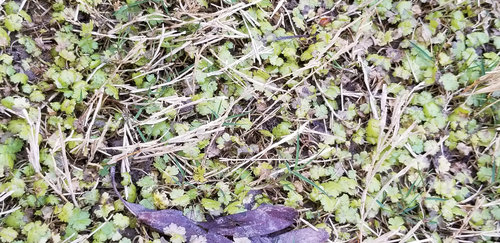
This is creeping Charlie or some ground clover in my back-yard I think and sprayed Ortho-Weed-B-Gon. It looks like the spray worked.


Sorry for such a long post, any help will be helpful. With all that is going on with Corona virus, for now this is my plan -

1. Front - yard - apply a grub control tomorrow to tackle the pest issue as we are expecting rains on Tues/wed

Already sprayed Ortho yesterday in the front yard to areas where I saw the clover

After a week of drying - scalp the front yard and look at shampooing it (alternative to aerate)

2. Back Yard -

Scalp my backyard slope and then the rest of the yard after the rains. I have a bad back, so need to split my tasks.

Once I mow actual grass twice, that's when i will put down some 24-25-4 as I am not going to head to the stores to get a High N fertilizer.

Thoughts/Comments?

Comments (7)

  • 6 years ago
    last modified: 6 years ago
    Not 1 square foot but it was literally under couple of the broad-leaf weed (one on the left of my driveway) and the other on the right. I tried digging 6 inches with a shovel but the ground is hard, the shovel went in probably 1.5 inches. I am going to wait for a rain and then go out and dig 2-3 places in random. Planning to shampoo the front-lawn after this first April "shower". Also I noticed on the side of the house which is 70%-80% of the time in shade, it looks like the mole which tore up my front-lawn couple of years back is back. Not really bothered about the side of my house, just want to get my front-yard and back-yard in decent shape.

  • 6 years ago

    " You are getting very wrapped up with herbicides "

    I am trying hard to stay away from any chemicals but the lawn condition was real bad when we first moved to this house. Crab-grass all over, I literally picked up 2-3 bags of crab-grass over the span of 2-3 months :). Now I have the crab-grass in control and the clover came up right after using Sunniland's 0-0-7 from LO-box store. The Lesco 0-0-7 has worked gr8 for Crabgrass but not for clover or other broad-leaf weeds. Anyway goal for this year to get some grass growing with some High N fertilizer if possible (not able to get out with all that is going on with the virus). There is a LOs 5 mins away but I am reluctant to get any Sunniland or Turf-gro fertilizer after what the pre-emergent did to my lawn.

  • 6 years ago

    Let's get back to basics for a weedy bermuda lawn in North Carolina and ignore the possible insect pest issue. This will be more or less an ideal way to grow a very nice bermuda lawn in full sun.

    Watering: Water deeply and infrequently. If you're not doing this the bermuda will look pale green with spots of dormancy tan color. Deep means 1 inch every time you water. Do not try to spread this out with fractions of an inch over several days. If the water runs off, meaning the soil will not take a full inch at one time, then stop watering for 15 to 30 minutes and let the water soak in. Then resume watering and resting until you get the full inch. The first time you do this measure the inch by putting out cat food or tuna cans. Time how long it takes your sprinkler to fill all the cans. That will be your watering time from now on. As for frequency, with temps below 70 degrees F, deep water once per month. Mother Nature usually takes care of this in the cooler months. With temps from 70 to 80 water once every 3 weeks. With temps from 80 to 90, water once every 2 weeks. With temps from 90 to 100, water once a week. With bermuda this is easy to do because even if it goes dormant from drought, it pops right back with the watering. Watering like this should eliminate crabgrass from your yard, because crabgrass needs daily watering for a few days to germinate. Proper watering is the most important element of lawn care. Improper watering is often the cause of poor color, weeds, and disease.

    Mowing: Mow bermuda grass at least once per week at the mower's lowest setting or one notch higher. In the spring you might have to mow it 2 or 3 times per week to keep it from getting too long to mow.

    Fertilizer: After you mow the bermuda for the second time in the early spring, begin a monthly fertilizer program using a high N, fast release, type of fertilizer. Continue until the grass goes dormant in the fall.

    Herbicide: In April spot spray the broad leaf weeds with Weed-b-Gon. Give it 3 weeks to work and decide if you need it again. Creeping Charlie will reseed, but wait until it comes back to spray it again. You have to keep after that one and don't let it flower. If you get weeds over the summer, spray the WBG again in September.

    Insecticide: In mid summer if you see unexplainable problems in the lawn, then write back here for further guidance. Insects should not be much of a problem, but sometimes they are. Don't put down insecticide because you think you might get insects in the future.

    Fungicide: Bermuda almost never gets disease, so don't use a fungicide unless you see fairy rings in the turf. If you are watering correctly as above, you should never see disease.

    Overseeding with rye in the fall: Don't do it. Golf courses and other sports facilities do this, but for homeowners it is inappropriate. The professionals have access to herbicides that can kill the rye in the early spring, but you don't. Leaving rye in the lawn in the spring delays the awakening of the bermuda and weakens it going into summer.

  • 6 years ago

    Thank you dchall, appreciate your customized post for NC. Yes I am familiar with your post on the watering regime :) and seen it a lot in other posts as well.

    I have not overseeded rye, so the dark-green grass in the first picture is Rye? I know you mentioned Poa-Annua for my first picture. If this is Poa-Annua, I have to admit it actually looks beautiful! lol! The plan has to been to follow your regime coupled with Texas-Weed schedule on Bermuda.

  • 6 years ago

    You should be good to go with that as the plan.

  • 6 years ago
    last modified: 6 years ago
    Dchall - Siteone has 32-0-3(50lb) and a 24-0-11 for $50 but on their website the 24-0-11 was listed as $30. First question I was asked is if I had an account and I mentioned - Home Owner and got these rates. eWing on the other hand is cheaper per their website but I should call to see what their price is for the home-owner.

    I have seen a lot about Site One's fertilizer on this forum but is $50 normal?

Sponsored
Kuhns Contracting, Inc.
Average rating: 5 out of 5 stars26 Reviews
Central Ohio's Trusted Home Remodeler Specializing in Kitchens & Baths