Software
Houzz Logo Print
webuser_844207742

Wounded Magnolia Tree

6 years ago
last modified: 6 years ago

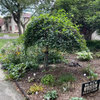
We recently moved into a new house and noticed that this magnolia tree has a pretty big wound. There are ants and other bugs living behind the loose bark, that crumbled when I touched it. The tree canopy looks great, no dead branches. Anything we can do go keep it healthy? keep the bugs and fungus away until it heals? Hoping we can save it!


Comments (14)

  • 6 years ago

    It being a magnolia I would first pull some soil and litter back from the root crown - which looks a little rough in this picture - to see if the tree is being attacked by honey fungus.

    Brittney Varia thanked Embothrium
  • 6 years ago
    last modified: 6 years ago

    Here’s a picture. I don’t see fungus. My neighbor just put down some pine straw and I removed some English ivy around the base. We live in Georgia if that makes a difference.


  • 6 years ago
    last modified: 6 years ago

    I don’t see fungus

    Do a web search for Armillaria to find out what to look for

  • 6 years ago

    This isn’t a flip. it’s such a pretty tree. I really hope it doesn’t die

  • 6 years ago

    There aren’t any mushrooms or anything of the sort anywhere on or around the tree. Seems to be fungus free for now.

  • 6 years ago
    last modified: 6 years ago

    The mushrooms are not present most of the time. What you need to be looking for in order to check for an Armillaria attack is the rhizomorphs growing up the root crown and trunk, beneath the bark. These are usually shown and described by discussions of honey fungus and how it works.

  • 6 years ago

    I looked it up. I don’t see anything that resembles what‘s described online. except for the wound, the tree looks pretty healthy. green leaves, flowering, nothing dead.

  • 6 years ago
    last modified: 6 years ago

    Anything you can remove around the edges by your fingers is OK to remove. If you do that, try to find/expose the edge of the living scar tissue. This also reduces hiding places for insects & moisture.

  • 6 years ago

    usually what you found.. is just hiding in the dark behind the wound ... and by opeening the wound.. you are taking away the hidey hole ...


    with trees.. we talk of tree time.. which is counted in decades .. the injury to this tree could have been years and years ago .. and rather minor ... there is nothing to do about that ...


    trees encapsulate.. and heal themselves ... so there is nothing to do about that ...


    soooo.. bottom line.. there isnt much of anything to do about it ... other than watch it..


    you summed it up.. by saying it appears to be healthy in all other respects.. so leave it alone.. and let it take care of itself ...


    check out how trees heal: https://duckduckgo.com/?q=tree+wound+healing&t=ffcm&iar=images&iax=images&ia=images


    once you see that healing.. you mgith be able to take off a bit more of the bark ... but be very careful in not making another wound... and in fact.. you might be better off.. just leaving it alone ...


    imo ... a tree that size and age never needs fert ... so dont start thinking its all of a sudden hungry .. and if its anywhere near a fert'd lawn ... its get what little it needs ...


    in tree time ....there is a chance.. it might go into decline because of whatever happened.. so be it ... if you have space.. maybe its time to plant babe .. so that when this one dies in 5 or 10 years.... you will have another ready to take its place .. it natures way .. its of no use to worry about it ... or much of anything to do about it ...


    ken


    ps: i am sure you could find some snakeoil salesman willing to soak you for hundreds of dollars to care for it ... but why.. just buy a $20 dollar replacement.. and see what happens with the first ... ...


  • 6 years ago
    last modified: 6 years ago

    Actually the occurrence of encapsulation in wounded trees is a demonstration that trees do not heal. As in the sense of the damaged area being filled back in with replacement tissue of a similar nature to what was present originally. Instead what is typical is for a walled off cavity to develop.

    The magnolia asked about here will have to have grown all the way across the outer face of the existing rotting area - however many years that is going to take - before it will even have succeeded in entirely replacing its lost outer skin. And the rotting will not stop expanding until the inside of the trunk has walled the rooting area off. So depending on how big the area of internal decay is (or becomes later) the tree may end up continuing on indefinitely with a significant structural defect. One that results in it snapping off at some point in the future, under the right combination of circumstances such as the tree's crown having become markedly bigger and heavier, a big dump of what turns into heavy wet snow or quite strong winds coming along.

  • 6 years ago

    If the ivy was growing up close to the base of the trunk, it could have created an area of permanent dampness that caused the bark to rot off.

  • 6 years ago

    It looks like physical damage from maybe a year ago. My guess would be there was some kind of work done, maybe landscaping, before the house was sold and someone hit the tree with the skid steer.

  • 6 years ago
    last modified: 6 years ago

    That was my first thought, that somebody drove into it. Except there are no signs of an impact except for the missing bark. Unless that now crumbling looking section below the branch stub is where there was physical damage.