

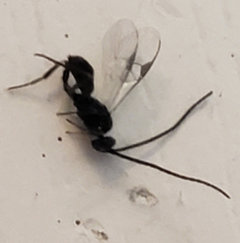
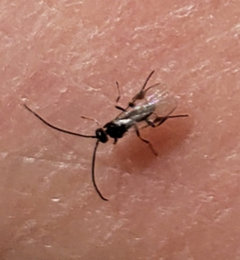
Bug ID Help Please
6 years ago

Featured Answer
Sort by:Oldest
Comments (20)
 6 years ago
- 6 years agolast modified: 6 years ago
Related Professionals
Des Moines Landscape Contractors · Saint Joseph Tile and Stone Contractors · South Sioux City Landscape Architects & Landscape Designers · Janesville Landscape Architects & Landscape Designers · Savannah Landscape Contractors · Williamsport Landscape Contractors · Sterling Landscape Contractors · Natchez Home Builders · Idaho Falls Home Builders · Montréal Home Builders · Middletown Landscape Architects & Landscape Designers · Denver Landscape Architects & Landscape Designers · Rolla Landscape Contractors · Champaign Landscape Contractors · Saint George Landscape Contractors- 6 years ago
- 6 years ago
 6 years ago
- PRO6 years ago
- 6 years agolast modified: 6 years ago
- PRO6 years ago
- 6 years ago
- 6 years ago
- 6 years ago
- 6 years ago
- 6 years ago
 6 years ago
- 6 years ago
 6 years ago
Related Stories

EARTH DAYHow to Help Your Town’s Beneficial Birds and Bugs
Make a habitat using local materials to provide a home to the creatures that help our gardens
Full Story

GARDENING AND LANDSCAPINGPorch Life: Banish the Bugs
Don't let insects be the bane of your sweet tea and swing time. These screening and product ideas will help keep bugs at bay on the porch
Full Story
GARDENING AND LANDSCAPINGBid Bad Garden Bugs Goodbye and Usher In the Good
Give ants their marching orders and send mosquitoes moseying, while creating a garden that draws pollinators and helpful eaters
Full Story
PRODUCT PICKSGuest Picks: Decor to Make Your Eyes Bug Out
Insects are marching to a different tune these days, showing up on knobs, teapots and even tablecloths
Full Story
ORGANIZINGDo It for the Kids! A Few Routines Help a Home Run More Smoothly
Not a Naturally Organized person? These tips can help you tackle the onslaught of papers, meals, laundry — and even help you find your keys
Full Story
HOUSEKEEPINGWhen You Need Real Housekeeping Help
Which is scarier, Lifetime's 'Devious Maids' show or that area behind the toilet? If the toilet wins, you'll need these tips
Full Story
GARDENING AND LANDSCAPINGBe a Citizen Scientist to Help Wildlife, Learn and Have Fun Too
Track butterflies, study birds, capture stars ... when you aid monitoring efforts, you’re lending Mother Nature a hand
Full Story
ORGANIZINGGet the Organizing Help You Need (Finally!)
Imagine having your closet whipped into shape by someone else. That’s the power of working with a pro
Full Story
STANDARD MEASUREMENTSThe Right Dimensions for Your Porch
Depth, width, proportion and detailing all contribute to the comfort and functionality of this transitional space
Full Story

gardengal48 (PNW Z8/9)