

Mold Issue Subfloor
6 years ago
Sort by:Oldest
Comment (1)

Related Stories

MOST POPULARHow to Get Rid of Household Mold
Find out how to work with a pro to stop mold from damaging your house and health — and how to prevent it from forming
Full Story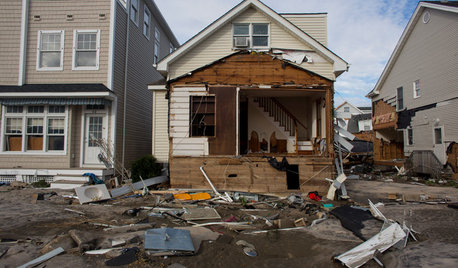
DISASTER PREP & RECOVERYHow to Combat Mold in a Flooded House
Before you rebuild or restore your water-damaged home, take these steps to keep mold at bay
Full Story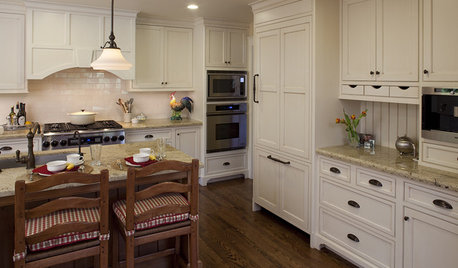
KITCHEN DESIGN9 Molding Types to Raise the Bar on Your Kitchen Cabinetry
Customize your kitchen cabinets the affordable way with crown, edge or other kinds of molding
Full Story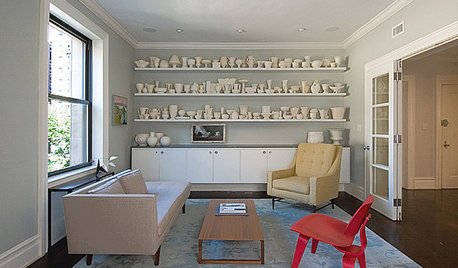

ROOTS OF STYLEDesign Through the Decades: The 1940s
Midcentury designers turn their attention to household storage, family rooms, molded furniture and movie star glam
Full Story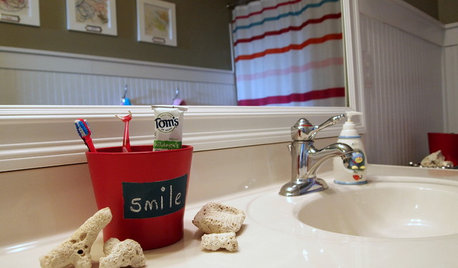
FUN HOUZZThese 7 Bathroom Habits Could Save Your Relationship
Kick the ‘ick’ from your bathroom to prevent another argument about mold in the shower and beard hair in the sink
Full Story
HOUZZ TOURSHouzz Tour: Creative Design Moves Rescue an Island Cottage
Facing down mold and nicotine, two industrious Canadian designers transform an uninhabitable wreck into an artful getaway
Full Story
REMODELING GUIDESHow to Size Interior Trim for a Finished Look
There's an art to striking an appealing balance of sizes for baseboards, crown moldings and other millwork. An architect shares his secrets
Full Story
BATHROOM MAKEOVERSRoom of the Day: Ferraris, Fossils and Bubbles Inspire a Bath Update
A pink 1950s bathroom decimated by black mold is brought back to life with color and loads of artistic touches designed by the homeowner
Full Story
GREAT HOME PROJECTSHow to Bring Out Your Home’s Character With Trim
New project for a new year: Add moldings and baseboards to enhance architectural style and create visual interest
Full Story



SJ McCarthy
Related Professionals
Baltimore Home Remodeling · Rolla Home Remodeling · Macon General Contractors · Laredo General Contractors · Brooklyn General Contractors · Colorado Springs General Contractors · Panama City Tile and Stone Contractors · Ardmore Home Remodeling · Petersburg Home Remodeling · Roanoke Kitchen Remodelers · Youngstown Kitchen Remodelers · Newport Kitchen Remodelers · Spring Bathroom Remodelers · Webster Bathroom Remodelers · New York City Bathroom Remodelers