Software
Houzz Logo Print
dennis_matveyev

Where can I move electrical boxes to allow for ceiling panel space?

6 years ago

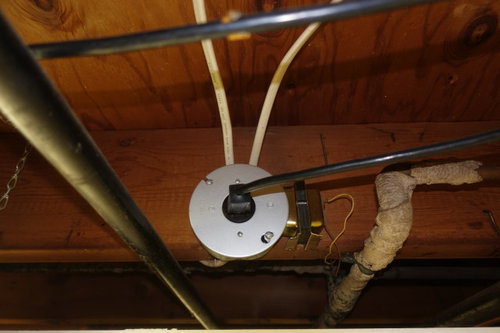
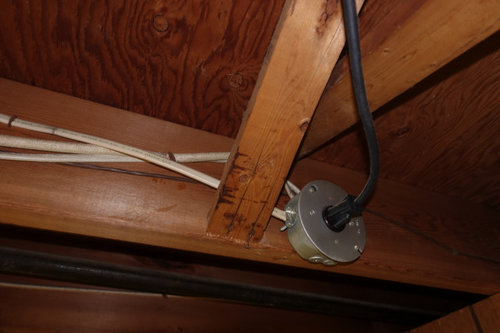
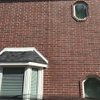
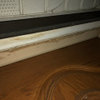
I have electrical boxes most of which are sticking out past the joists. I am thinking of putting up ceiling panels, which will be going directly under the joists, thereby making electrical boxes in the way of the ceiling panels.


Where can I move the boxes so that they are in a good correct spot and yet I can put up ceiling tiles without interference?


Comments (7)

  • PRO
    6 years ago

    You'll have to change the box style and rerun the wires through the framing in your first picture. Check local code before drilling framing please. You can't panel over a junction box as in your second picture; you must provide access to the box. Again, another different box, maybe with a light fixture.

  • PRO
    6 years ago

    What Joe said to move the boxes up, the wires over the joists, drill the joist and run the wire through instead of under it.

    Not sure what ceiling tiles you use but you cannot enclose junction boxes they must be accessible, so if the tiles being fastened to the joists you have provided access panel.

  • 6 years ago

    Are the outlets for plug-in shop lights? If so, you can hardwire the lights into a junction box directly over the lights.

    For the one that is strictly a junction box w/ no outlet, you can move that to the new ceiling and install a white plastic cover over it. Yeh, you have a j-box cover on the ceiling but they are unobtrusive. I had to do that in my basement ceiling; after a week or so, you don't 'see' it anymore.

  • 6 years ago

    The job looks like amateur hour to begin with. The pictures show a number of things that were NEVER legal under the electrical code, notwithstanding the general failure to execute things in a workmanlike manner.


    It's a loss as to why the haphazard installation was done to begin with. It shouldn't be hard to just move them up out of the way. The issue becomes one of accessibility. If by "celing tiles" you're talking things that are easily removed (your typical grid ceiling), that's all that's required. You do need to make sure the relocated cables are properly secured (they aren't now) and they can't rest at all on the ceiling system.


    If you're putting up a non-removeable set of ceiling tiles, you're going to have to remove the boxes or make them accessible. The plugs and cords are going to be problematic (as others pointed out you can potentially hardwire those shoplights if you intend to keep them, or just get rid of them). The remaining junction boxes could be mounted on the ceiling itself with blank covers.


  • 6 years ago


    Thanks. I had drop-ceiling that I took down recently, and I don't think I am a fan of putting another drop ceiling in like that. I would like to put soundproofing insulation into the ceiling, because I want to build a home theater-like space, and I will need something to cover it up.

    But I am troubled that by covering it up, I will hide all the wires, water piping, sump pump exhaust, and other things going on in the ceiling to where consealing it may bite me later.

    So I have to find out if there is some kind of non-permanent tile that looks nice and can give me access to things later if needs be.


    But I had a couple of questions:

    1) why do I have to hardwire lights? Let's say I get rid of the lights entirely, why do I need to replace the junction box with sockets, with a different style box?


    2) If I leave the joists exposed (no ceiling or panels to cover them up), can I move the junction boxes to the current ceiling - the baseboard/subfloor that's between the joists? Or do the junction boxes have to rest on the joists?

  • 6 years ago

    You can't use cordage within the finished structure. If you want to keep them cord and plug connected you're going to have to leave them accessible. You need to either remove the boxes themselves or leave the box access accessible.


    The boxes just need to be attached to soemthing. There's no rhyme nor reason to their currnet placement. One is not even on the joist but is mounted to the bridging (the little diagonal pieces add to give the floor system rigidity). You can move them up higher on the joists or even (though it may cause other non-electrical issues) attach them to the subfloor above.


    The one thing that is clear is that the cables need to be supported within a foot of the boxes (an electrical staple will suffice). These appear not to be.

    Dennis Matveyev thanked Ron Natalie