

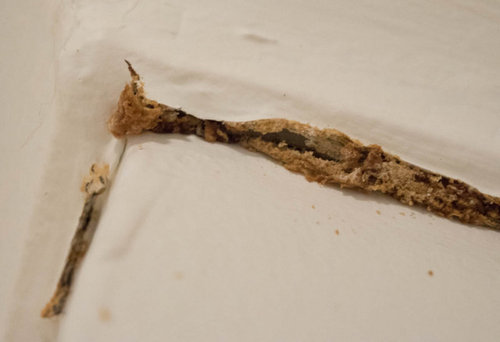
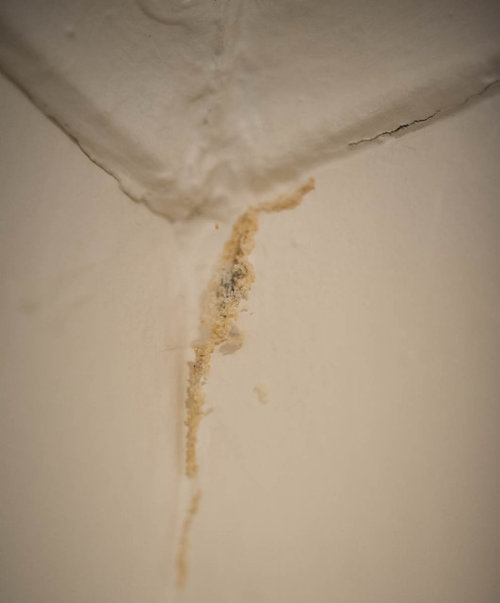
Efflorescence, mold, insects or something else?
6 years ago

Sort by:Oldest
Comments (5)
Related Stories

BATHROOM MAKEOVERSCouple Convert a Midcentury Dresser Into a Knockout Vanity
A water leak and mold prompt a stylish master bathroom remodel in Las Vegas for less than $10,000
Full Story
LIFE7 Things to Do Before You Move Into a New House
Get life in a new house off to a great start with fresh paint and switch plates, new locks, a deep cleaning — and something on those windows
Full Story
FARM YOUR YARDHello, Honey: Beekeeping Anywhere for Fun, Food and Good Deeds
We need pollinators, and they increasingly need us too. Here, why and how to be a bee friend
Full Story
BEFORE AND AFTERSSee 6 Yards Transformed by Losing Their Lawns
Wondering whether a turf lawn is the best use of your outdoor space? These homeowners did, and they found creative alternatives
Full Story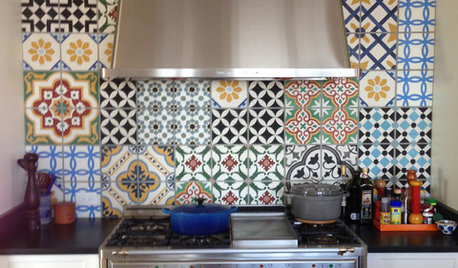
TILESo Many Reasons to Love Cement Tiles
You’ll notice their beautiful patterns right away, but cement tiles have less obvious advantages too
Full Story
PATIOS6 Patio Cover Types to Shade You in Style
Protect yourself and your deck from the blazing sun with umbrellas, cloth, built structures — or nature's perfect shading solution
Full Story
HOUSEKEEPINGHow to Clean Your Washing Machine
Cleaning your washer once a month will ensure that it stays spick-and-span along with your clothes
Full Story
KITCHEN DESIGN7 Steps to Pantry Perfection
Learn from one homeowner’s plan to reorganize her pantry for real life
Full Story
COLOR11 Reasons to Paint Your Ceiling Black
Mask flaws, trick the eye, create drama ... a black ceiling solves a host of design dilemmas while looking smashing
Full Story
HOUSEKEEPING10 Problems Your House May Be Trying to Show You
Ignore some of these signs and you may end up with major issues. We tell you which are normal and which are cause for concern
Full StorySponsored

Customized Award-Winning Interior Design Solutions in Franklin Cnty OH

akrrm (Nancy in NJ 7a)
Norwood Architects
Related Professionals
Sarnia Home Remodeling · Hannibal General Contractors · Durango General Contractors · Baton Rouge Bathroom Remodelers · Durango Bathroom Remodelers · Montgomery Home Remodeling · Kankakee Home Remodeling · Eugene Home Remodeling · Kansas City Home Builders · McAllen Home Builders · Muskegon Home Builders · Victoria Home Builders · Waterbury Kitchen & Bathroom Designers · Burlington Kitchen & Bathroom Designers · Stockton Kitchen & Bathroom DesignersRobert DeLeskieOriginal Author
rwiegand
ci_lantro