Software
Houzz Logo Print
hzdeleted_19691726

Random garden questions

6 years ago
last modified: 6 years ago

1. I'm conducting a little experiment with some very basic DIY self-waterers for my outdoor potted plants (see pics below). The bottles have a small hole in the lid that provides a drip when the bottle is ever-so-slightly jostled. My concern is that once buried next to the plant, a bottle will just sit there and not release water. I don't know how stuff like this works, but is it conceivable that the plant roots will somehow seek and draw from the drip to activate a bit of water flow when needed? Sort of create a suction that will cause it?
Time will, of course, tell ... but I thought someone may have attempted something like this before and be able to advise if it's a workable solution. I am planning for a housesitter, and I don't want them to have to mess with plants.
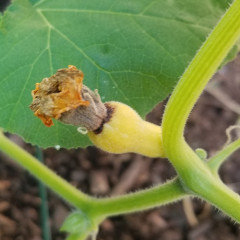
2. My squash plants in the garden have looked terrible. They started out beautifully, then seemed to have a setback and I pulled up several of them that looked wilted and rotten. This, of course, thinned the plantings and the ones left have started to take off again. I think I only have four or so remaining and they have been producing squash blossoms like crazy, even though their leaves look a bit worse for wear. Problem is, I no longer know for sure if it's the butternut or the spaghetti squash remaining. Doesn't really matter; I'd just like productivity. To that end, does the third picture look like a baby squash in the making?
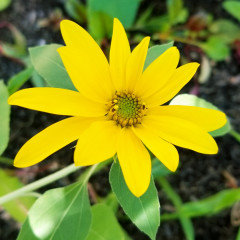
3. Say hello to Baby Sunflower, which has been blooming for less than 24 hours. 🌞

Comments (35)

  • 6 years ago
    last modified: 6 years ago


  • 6 years ago

    Oh, good! Capillary action ... yes. That sounds so much better than my "sort of suction" description. 😁

  • 6 years ago

    Good to know about the watering bottles! I would like to do that with some potted plants during travel. Which we keep putting off LOL.

    User thanked Tina Marie
  • 6 years ago

    That's a baby squash. Don't ask me which. (My backyard is currently overrun with pumpkins and butternuts, but at least I can tell the two apart!)

    User thanked Fori
  • 6 years ago

    I've used bottle toppers from Kinsman to help water potted plants but there are other sources too. I like the 12" long ones for my deep pots.


    https://www.kinsmangarden.com/category/Aids-For-Watering

    User thanked maire_cate
  • 6 years ago

    That sunflower is perfection! 😍

    User thanked Jilly
  • 6 years ago

    From the shape, it looks like a butternut squash.

    User thanked straitlover
  • 6 years ago

    Thanks y'all! I'm hoping these lowbrow bottles do the trick, but if not, I've got time to try other methods or products.


    So happy to know that that's probably a baby squash. I was afraid this attempt to grow was going to be completely unfruitful. I guess it's still early days, but hopefully the baby will grow into a healthy adult ... and then we'll eat it. 😁

  • 6 years ago

    There's nothing better than fresh squash!!!

    User thanked pudgeder
  • 6 years ago

    Beautiful flowers!

    User thanked lucillle
  • 6 years ago

    I love sunflowers. They're such happy things! These haven't grown as tall as expected (at least not yet), but I'm glad they're starting to bloom. Like little rays of sunshine in the garden!

  • 6 years ago

    IdaClaire do you have any pictures of the wilted and rotten squash plants. I wonder if you had powdery mildew. The leaves look like they have powder on them and then they wilt and look sick. It is common in humid, hot areas and some plants are more susceptible than others. I lost several echinacea plants this year to powdery mildew and I have never heard of echinacea getting it before. I blame climate change.

    User thanked hcbm
  • 6 years ago

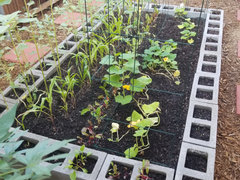
    hcbm, not sure if you can tell much from this, but this was shortly before the dying vines were removed. I had already removed a handful prior to this photo, but I think they were just planted too close together and were fighting for nutrients. Some of the vines in this pic look quite chlorotic to me.


  • 6 years ago

    Capillary action might draw the water out...but that plant is telling you I NEED MORE!

  • 6 years ago
    last modified: 6 years ago

    “Capillary action might draw the water out...but that plant is telling you I NEED MORE!“

    No, it isn’t, if you’re talking about the first picture. Besides being very drought tolerant, it’s common for salvia greggiis to look like that this time of year (in Tx). They get very stressed from our intense summer heat and sun, no matter how much you water. And now they’ll start changing leaf color (and dropping many) for fall.

    User thanked Jilly
  • 6 years ago

    I haven't read the replies but self watering is a no no. Each plant has it's own requirement for water. A bottle that drips in the dirt doesn't do the job. Each plant needs a good soaking, then let it almost dry out, or dry out, depending on the plant.

    Mornings are my favorite part of summer, going out early to water. Some plants in pots need another dose of water in the afternoon during high heat.

    Your plants are pretty!

    User thanked Oakley
  • 6 years ago

    You're right, Jinx. Some people do not understand the needs and appearance of our area's plants.


    The self-watering bottles will only be a temporary measure. I enjoy watering by hand too. It's a bit of a meditative practice.

  • 6 years ago

    Self-watering bottles can be a lifesaver! I'm sure Ida knows how/when to water. We'll use the bottles when traveling. I would give the plant a good watering and then leave the bottle in place. I've seen them recommended on many gardening sites.

    User thanked Tina Marie
  • 6 years ago

    I can't tell from the picture. However, your garden looks lovely and I love how you provided supports for the vines. Have you taken pictures of the garden each week? I did that one year when I had a garden and it was fun to go back in the winter and see how it grew.

    User thanked hcbm
  • 6 years ago

    Thank you, hcbm! I have indeed taken pictures weekly, and it's been such fun to watch things growing from seed. I'm still amazed by the whole process, and have learned a few things that I'll put to use the next go-round. I've started to receive seed catalogs in the mail, and it's fun looking at them and mulling over what we might want to try this next season. Are you growing any veggies at the moment?

  • 6 years ago

    You are now officially a gardener as you are looking forward to next season. I have no understanding of Texas weather or seasons, but here in the North East people often plant winter hardy veggies in the fall to harvest before the snow. Lettuce, broccoli, etc. are said to be sweeter and frost hardy. Can you garden year round in Texas?

    User thanked hcbm
  • 6 years ago

    Officially a gardener! I like that! I may only produce a single squash, some chard, and sunflowers, but at least something has grown, right?


    We can grow cold-hardy veggies such as radishes and beets (I dislike both, so probably wouldn't), spinach, chard, carrots, arugula, kale, collard, and garlic. I'll likely give a couple of those a try going into the winter months. It's fun!

  • 6 years ago

    Tina, self watering bottles when we're traveling is a great idea, but for every day, it's not. Especially if you live in a hot zone.

    Ida, this Houzz story has been at the bottom of every page for a long time and I finally clicked on it and thought you might get some ideas. I sure did. Love the statue in the ground. ;)


    Contemplative garden

    User thanked Oakley
  • 6 years ago

    I'm intrigued by this watering idea!! Off to google...

    User thanked lobby68
  • 6 years ago

    The appearance of chlorosis can come from many things, including lack of certain nutrients and soil compaction and water issues. There can be multiple stressors going on at the same time. It does look like you have some kind of disease going on, fungal is one possibility. i don't know all the ins and outs of what can happen to squash. I do know they are moderate feeders which is why Native Americans put them in hills with beans and dead fish for nitrogen. Corn is nitrogen heavy feeder but I think squash is medium or light feeder when it comes to nutrients and not super picky as to pH although not unlimited tolerance for too low or too high but that seems unlikely with purchased soil. As for water, plants like squash like a good deep watering a couple times a week, but don't do well with soil that is always a little bit damp. I'd set up frequent irrigation and then a drying out period in between. The presence of water constantly in the garden may be encouraging fungus. It would be one of the prime suspects although there could be other factors including disease just arriving and spreading. But plants that have their ideal growing conditions are much less susceptible. I don't know for sure, but if I saw that, my first suspect would be moisture and air flow issues.

    User thanked l pinkmountain
  • 6 years ago
    last modified: 6 years ago

    Ida, sorry to go O/T, but I saw this and thought of you. I love it. 🥰 It’s so whimsical! And Tabby, of course. Only a Tabby would ride a whale all cool-like. 😄

    https://www.etsy.com/listing/557747646/cat-riding-narwhal-bengal-cat-narwhal

    User thanked Jilly
  • 6 years ago

    Oakley, she's not watering only that way.


    Yes, it appears to be a butternut squash. Congrats on your baby squash! HAHAHA


    Glad you are enjoying your garden. I can't wait to see what you do next spring. I still have iris and cone flowers to divide and move a clump of each to the back yard.

    User thanked Tina Marie
  • 6 years ago
    last modified: 6 years ago

    Just an update: The harder plastic bottles (Coke, Snapple) did not work well in this application. They drained much, much too quickly into the plant, despite a tiny hole in each cap. What DOES work, though, are the plastic milk jugs. They have more of a soft-sidedness to them, and they become concave once in the soil, slowly dispensing the water as the plant draws it out. The milk jug waterer in my plumbago has gone through about 2/3rds of its water in almost a week, so that method should suffice just fine for trips away from home of a shorter duration.

  • 6 years ago

    Do you have a pic of the milk jug option? This would be the perfect solution so I can have more container plants at our lake place which doesn't have a drip option yet.

  • 6 years ago
    last modified: 6 years ago

    I have some of the clay inserts you bury in the soil and then insert an inverted wine bottle filled with water. They work fairly well as the clay itself does more of a slow osmosis into the soil. In the heat of full summer I rely more on the sprinkler system getting my pots watered or self-watering than using these. You do have to remember to remove the clay inserts before winter if you leave your pots outside, however, or they will freeze and break apart. I have been successful with leaving them for a week with the wine bottles full.

  • 6 years ago

    Oh, those spike things are cool! And lord knows we have more empty wine bottles than can rationally be explained.

  • 6 years ago

    I also like the looks of the spike things, but don't drink wine so no way to "collect" the bottles. I wonder if they work with plastic soda bottles just as well?


    I don't have a good picture of the milk jug, except you can just barely make it out in the photo I posted above showing the potted plants. But it's just a regular ol' half gallon milk jug, like this:


  • 6 years ago

    Ida, I don’t know if the milk jug spout would fit down in the spike far enough. Do you have friends that could save some wine bottles for you? I had friends saving blue wine bottles for me a few years back for my bottle tree!

  • 6 years ago
    last modified: 6 years ago

    Apologies if this was covered, but I skipped down to say IME, squash are somehat heavy feeders and like rich soil and fertilizer to do well. They'll put out lots of male flowers at first, before the females appear, and the blossoms are all edible, I make fritters when I grow them, rather than letting them go to waste. Unless they're bush types, they will sprawl far and wide and root along the sprawling vines, which helps bring more nutrients to the plants.

    I also hand pollinate the female flowers by taking a male blossom and removing the petals ( which make a tasty snack), then rubbing the pollen onto the female's pistil. I get more fruits that way. It needs to be done early in the morning, since the blooms close & die before the end of the day.