Software
Houzz Logo Print
cwynw

dying plants, but don't know why

5 years ago

We have been struggling since May to plant a small garden in large containers on our back terrace (Zone 7b). It doesn't get much sun--about 2-6 hours in the summer, and I am coming to realize, no directly sunlight in the winter because the sun is so low.


We looked specifically for shade plants and tried to plant things that would bloom at different times. The Japanese Anemones bloomed well. Other plants repeatedly died and grew back, and bloomed a little (or have not yet been in season so not sure if they would bloom), including some Clematis (about half of them bloomed anemically for a few weeks) that are supposed to survive well in shade, and some Hellebores (other helebores just died and never came back). Some delphiniums that were supposed to be shade tolerant basically just died after being put into the ground, despite careful care--one started to come back in October, but has since died again as well. Other plants seemed to be healthy for several months and then just died completely, quite quickly in a week (Viburnum, Bleeding heart) even though I cannot reconstruct any differences (they did not freeze, were not watered more or less, etc). They trived for months, then suddenly wilted, then a few days later turned brown and hard, and then lost their leaves and disintegrated into the ground. I had been regularly spraying neem oil and sprinkling cinnamon around the roots, because I did see some white and brown spots on some of the plants, but the plants all really seem to be being killed by something and I cannot figure out what it is. They have all been fertilized and watered regularly, and their dying off did not correlate with particularly cold weather (most of them are winter hard anyway). I have tried to follow care directions for each plant type.


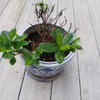
I have some bulbs to plant that I should have gotten into the ground last month, but I have been scared to plant them, because I don't want them to just rot in the containers, if there is something wrong with that soil. I've attached some photos--am hoping someone here will have advice?


I would also like to replant some of the stuff that died (viburnum, bleeding heart, the helebores that have not made it so far), but I don't want to just throw good money after bad. I'm also wondering if the delphiniums are just not able to grow here, or if they were killed by something in the soil (or by something that came with them in the soil from the nursery). I love delphiniums, but don't want to replant just to have them die instantly again. I got into this with the assumption that not all of the stuff I tried would thrive in our shady back garden.


I have thought about putting in some LED grow lights, but don't know if that is worth the expense/complication. We just had two trees cut down in the back yard, but here it is very far north so there just isn't that much sun in the fall/winter/spring anyway (and stuff seems to thrive in the wild in the nearby parks just fine).


(I know that the containers are over planted right now, but we will probably only be in this house for 2 years, and then for a while we will only be here in summer, and I predicted that some percentage of what I planted would die, so I'd rather overplant now, and remove later, than sit around for years looking at big patches of dirt with only a few sprigs of stuff growing in them).


Would appreciate any advice! Thanks for reading my post!


Comments (8)

  • 5 years ago
    last modified: 5 years ago

    First things first: 1) what kind of container are you using? Does it have drainage holes on the bottom? And 2) what kind of potting mix is that? Your potting mix looks VERY wet (is it garden soil?) and your plants show signs of being overwatered.

  • 5 years ago

    The comments and observations above are very valid. And dying back or going dormant and disappearing in winter is common for many plants anyway. OTOH, bleeding heart is summer dormant so would not expect that to be present for long but should reappear in spring if other growing conditions are good.

  • 5 years ago

    Thanks for the responses, JoJo and gardengal48.


    The container is one of those wooden containers, with a pallet underneath, so lots of drainage--about a third of the bottom is just drainage holes between the slats. I tested the drainage as well before putting the soil in and it drained well. The soil is "Universal Organic Raised Bed Soil". I haven't been watering the plants much at all--in the hot dry summer, once per week, and the rest of the time depending upon rain (which we had a lot of in the fall, so I didn't water for quite some time). The photos here are from early October, when the weather was still quite mild, and that Viburnum is supposed to have the leaves change color in the fall, and then bloom in winter, so it has definitely died and it is not a typical seasonal die back. For the bleeding heart, it may be possible that it just died back naturally, but the weather was not any different at the point when it died off than a few weeks before when it had been looking quite healthy, and it died very rapidly, over a period of 4ish days, exactly at the same time that the Viburnum did exactly the same thing, so I am very suspicious. I have tried reading about root rot, etc, but I just do not know how to diagnose this stuff and am a bit overwhelmed. While the Japanese Anemones have thrived, all the other plants in the bed have really struggled with dying back in several rounds before coming back, dying completely, or anemic growth. Maybe this is because of limited sunlight (but I specifically chose varieties that were supposed to tolerate shade). Maybe a lot of that is normal for the first growing season (I don't have a lot of gardening experience), but I am concerned that there is something in the soil, or some kind of pest that is killing off most of the plants, and if that is the case, I'm not sure how to diagnose things, or what to do to treat it.


    Anyway, thanks again for the responses, and for any further advice any of you might have!

  • 5 years ago
    last modified: 5 years ago

    What concerns me is the look of your soil. It looks wet and compacted. If you are growing in a container, it's essential to keep the mix well-drained because the roots need to be surrounded by tiny air pockets to "breathe." If it's too wet, these air pockets stay filled with water, the roots start to rot and the plants look like yours.

    The lack of direct sunlight is not good, but that in itself won't kill the plant immediately. The plant won't thrive, flower, etc. but it should stay alive for the whole growing season.

    Did your potting mix come in three layers? This is what I found when I looked for the brand you are using. Did you install all three layers?


  • 5 years ago

    There is a difference between a container with a bottom and a raised bed. And the soil media you use for one will not work as well for the other and can lead to issues that affect plant growth.

    Like garden soil, raised bed soil tends to lack sufficient texture to provide fast drainage while still maintaining adequate porosity and some degree of moisture retention. A planter with a solid bottom or even one with slats between the base wood and plenty of drainage holes really requires a potting or container soil, not a raised bed soil. Experienced container gardeners can work around this but starting out with a textural soil mix intended specifically for containers will make life much easier.

    Soils that work best for containers are discussed in depth on the Container Gardening forum and you might find that helpful for next season. In particular, I'd direct you to this long running thread on container soils and water retention. Water movement and retention in a container will be much different than in a raised bed and that needs to be accounted for.

  • 5 years ago
    last modified: 5 years ago

    I just noticed some plastic tubing in the second pic. Is this container watered on a set schedule? That could explain the overwatering issue.

  • 5 years ago
    last modified: 5 years ago

    There appears to be a potato growing through the Viburnum. I presume it’s unintentional but its lanky growth implies that there is very little light available. Apart from the light issue I think that overwatering is a distinct possibility. The black leaves on the Hellebore and Anemone look like rots. The Viburnum may well have root rot. I’d dig it out and have a look.

  • 5 years ago

    Pull the plants to see if the roots are still white/heathy. In that case it could be Fusarium or Verticillium wilt caused by soil fungii. The only solutions are to sterilize the soil or replace it, disinfect the containers before starting over. There is some chance the fugus may return with the potting soil accompanying the new plants you buy unless you start from seed. Eventually, cultural practices (well draining soil) are your best bet. I have had a variety of plants die on me before I figured out. I grow in much smaller pots so I tend to microwave my potting mix when in doubt and use terracotta pots for plants that are especially susceptible to root rot or fugal wilt.