Software
Houzz Logo Print
carringtown

FIVE old chimneys — what to do?

5 years ago
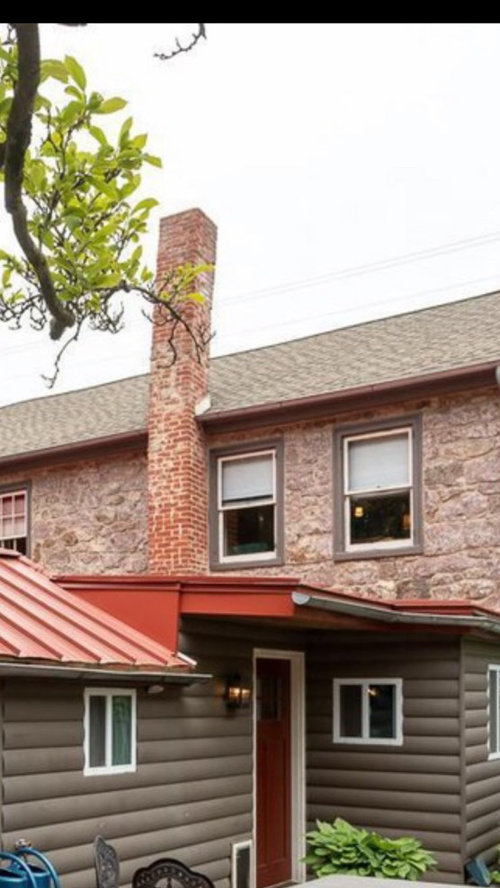
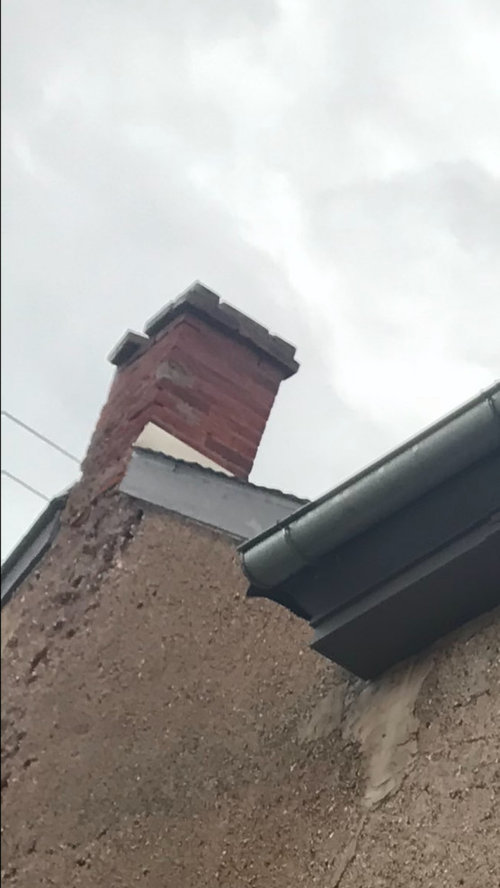
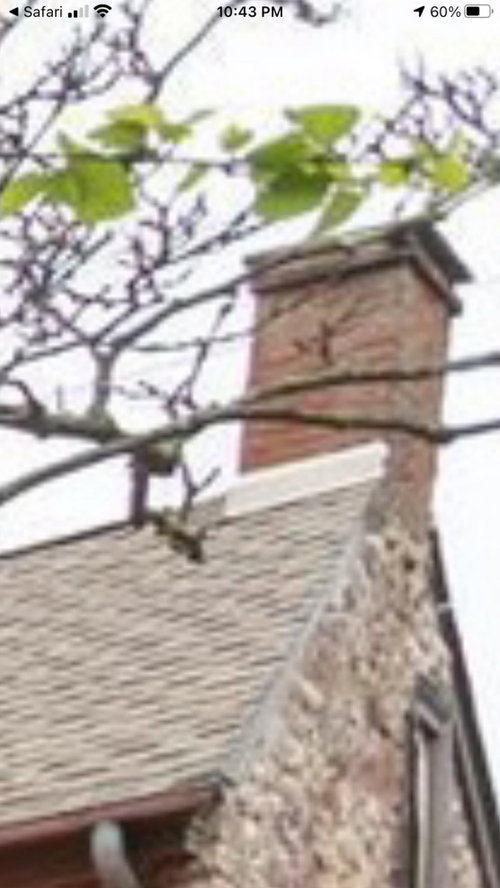
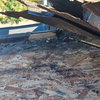
We just purchased a 200 year old house that has FIVE chimneys. There’s no longer any fire places and I’m not sure how many of them are used for venting. The short one on the metal roof is where a bathroom exhaust vent travels. Pics of 4 of them attached.

It’s a fieldstone house and all the chimneys are brick so I don’t feel too badly about getting rid of them but I have no idea of the cost or pros/cons.

3 of them are for sure need flashing work and/or mortar repair as they are resulting in leaks.

1 of them (the tall one) is leaning to the north and while the brick and mortar appear to be in fine condition that I can see I don’t know if the leaning is an issue or will be.

One has a very noticeable lean. I didn’t grow up with fireplaces so know nothing about them or the value of keeping them vs. cost of repairing them or removing them.

Thoughts?

Comments (9)

  • 5 years ago

    First, do no harm. We, too, have a very old house, a fireplace in every room. Some of them have been blocked so they are no longer functional, but integral to the design and credos the history of the house. We found a good chimney sweep to insect all of the fireplaces and chimneys. We developed a plan of action to make them both safe and functional. We bought the house because of the cooking fireplace in the kitchen so we knew even before we made an offer we would spend money to make that fireplace work properly. In the end, the chimney sweep lined five of our fireplaces with stainless liners, capped the chimneys so birds couldn’t drop in and sparks fly out, remortared some areas of the old fireboxes and, in one case, opened an 18” square area of plaster over the mantle to fix four bricks in one of the chimneys. Previously the house had ventless gas logs: research seemed to indicate safety issues related to asbestos and carbon monoxide so we knew they had to be replaced. Not only the safety of the house but the character of our house would be changed if we had not made these fireplaces useful. Our plumber removed the gas line to the 1817 kitchen fireplace because I only want to cook authentically with wood. Ham and bean soup will be simmering there today. We have new gas logs in the front and back parlors, the back parlor has a remote control because the tv is there so we use that room the most. The library has a gas starter so we can use wood and have the option of gas logs when we grow tired of hauling wood into that room. It is very tempting to do lots of changes when you first move. HGTV pushes the idea that you have to “put your stamp on your new house.” The opposite is actually true and most especially when you are lucky enough to have a really historic home. In everything we do, we try to honor the builder of our home. If he were to walk into our house today, I think he would be pleased. He would recognize his house and be comfortable here. Yes, we have heat and AC, indoor plumbing, and electricity, but we haven’t ripped out the plaster walls or replaced the 1903 windows in the oldest part of the house, or “updated” the floor plan to open concept. Visit other houses of the same era, read books about the time period so you know how the original owners lived. A thrill for us was discovering the gr-gr-gr-grandson of the original owner/builder of our home. Imagine sitting in our dining room with this man, laughing and talking, sharing a meal, and learning more about the family who lived and worked here in 1803! Priceless! Take your time and let the house tell you what it wants.

  • 5 years ago

    Oh, drat. I cannot edit my comment, but the “1903 windows” are actually 1803 windows with original wavy glass. Sunrise through those windows is stunning. Our house was built in three stages, about 1803, 1817, and 1836. I spent a year planning the kitchen remodel because the house didn’t like my first thoughts!

  • 5 years ago

    Your house sounds wonderful! In our case there are no longer any fireplaces at all. It is possible that some have been covered with plaster but there are no “kick outs” but we don’t have the funds to expose any of them. Priority right now is safety and making sure they don’t leak. After reading some more it’s likely that removing chimneys is completely ill advised and prohibitively expensive. Any idea on the costs of getting stacks up to snuff in general ?

  • 5 years ago

    I have one missing fireplace also, when I redo that room the fireplace will be put back in. Have the them properly capped and restore them when you have the funds, please don't remove them.

    remodeling1840 Amen!!!

  • 5 years ago

    Carringtown - I totally agree with all of the sage advice above. Cost varies from place to place, but it’s money well spent. My house is much like remodeling1840’s, and we are spending around 25k getting our fireplaces (including a large kitchen fp with a beehive oven) and chimneys up to snuff. Having just your chimneys inspected and shored up shouldn’t be too onerous financially.

  • 5 years ago

    Each of our fireplaces had a different price, depending on the work for each. We reused one log set, but bought an expensive set for the back parlor, including the remote control and bought a less expensive log set for the front parlor. The kitchen required a custom stainless liner 8” x 24” by the height of that chimney and a very custom cap. Our sweep had to travel about fifty miles each way each day, so there is a travel time calculation. We did not have to do them all at once, but we had decided in our budget to finish the job. Get a local estimate from a certified sweep.

  • 5 years ago

    Tiny J- I am dreaming of your beehive oven! When the sweep finished, he lit a small fire. He said in the August heat, we might not get a good draw. The smoke and flame shot up the chimney and he proudly asked what I thought. I told him I was thinking of the man who laid that fireplace two hundred years ago......and his good work endures.

  • 5 years ago

    RE the cost of getting the chimneys rebuilt. Of course it will depend on the area that you are in, but just to have my one chimney re-tuckpointed (mortar repaired/replaced) estimates varied from $650 to $2500 to "you need to have it taken down and entirely rebuilt". So talk to more than one chimney service if you can, and check reviews and references also.