

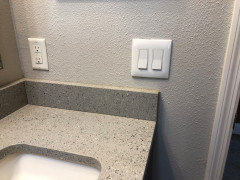
15 or 20 amp GFCIs in bathroom?
5 years ago
Featured Answer
Sort by:Oldest
Comments (11)
- 5 years ago
 5 years ago
Related Professionals
Madison Home Remodeling · Reno Home Remodeling · Saint George Home Remodeling · Terre Haute Home Builders · Marquette Home Builders · Cookeville Kitchen & Bathroom Designers · Missoula Kitchen & Bathroom Designers · Richmond Home Remodeling · Hopkinsville Home Remodeling · Wenatchee Bathroom Remodelers · Odessa Kitchen & Bathroom Designers · San Angelo Kitchen & Bathroom Designers · Portsmouth Bathroom Remodelers · Houston Bathroom Remodelers · Brunswick Tile and Stone Contractors 5 years agolast modified: 5 years ago
 5 years ago
- 5 years ago
- 5 years agolast modified: 5 years ago
- 5 years ago
- 5 years agolast modified: 5 years ago
- 5 years ago
- 5 years agolast modified: 5 years ago


Related Stories
TRENDING NOWThe 20 Most Popular Bathroom Photos of 2018
The bathroom photos Houzz users saved most this year showcase clean white lines, sleek shower panels and bold tile
Full Story
BATHROOM DESIGNTrending Now: The 20 Most Popular New Bathrooms of 2017
Smart storage, warm finishes, clear glass, tiled walls and other favorite bath details grew in popularity this year
Full Story
DECORATING GUIDES20 Bathroom Wallpapers That Bring the Wow
These spirited wallcoverings will add a drop of whimsy and a whole bucket of bold to your water closet
Full Story
BATHROOM DESIGN15 Bathroom Trends Splashing Down in 2016
Four Australian designers break down the looks, finishes and features they believe will reign supreme in bathroom design this year
Full Story
BATHROOM DESIGN15 Ways to Warm Up Your Bathroom for Winter
Keep the chill away in body and spirit with everything from warm colors to high-end bathroom features
Full Story
DECORATING GUIDES15 Creative Touches to Perk Up the Bathroom
Swap standard features for antiques and add other artful displays for a bathroom that’s worlds away from bland
Full Story
BATHROOM DESIGN15 Cheap and Easy Ways to Makeover Your Bathroom
Makeover Magic Can Happen When You Think Outside the Bathroom Box
Full Story
REMODELING GUIDESBathroom Workbook: How Much Does a Bathroom Remodel Cost?
Learn what features to expect for $3,000 to $100,000-plus, to help you plan your bathroom remodel
Full Story
BATHROOM DESIGN20 Delightful Double Vanities
These bathrooms for couples or kids double up on sinks and style
Full Story
BATHROOM DESIGN15 Elements of Today's Vintage-Inspired Baths
See How to Design a Classic Bathroom That Never Goes Out of Style
Full Story

weedmeister