

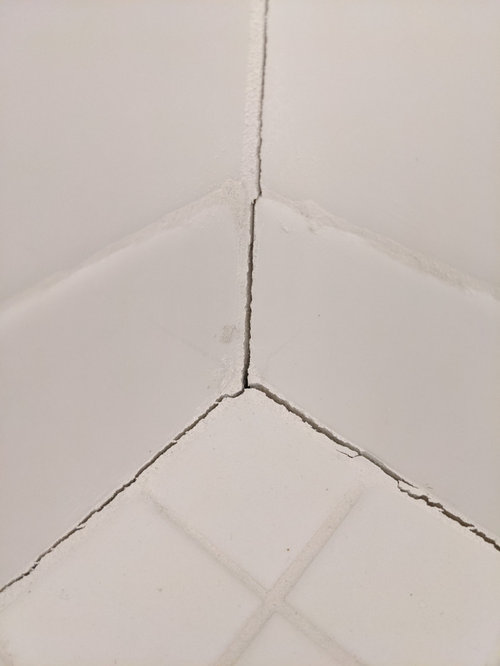
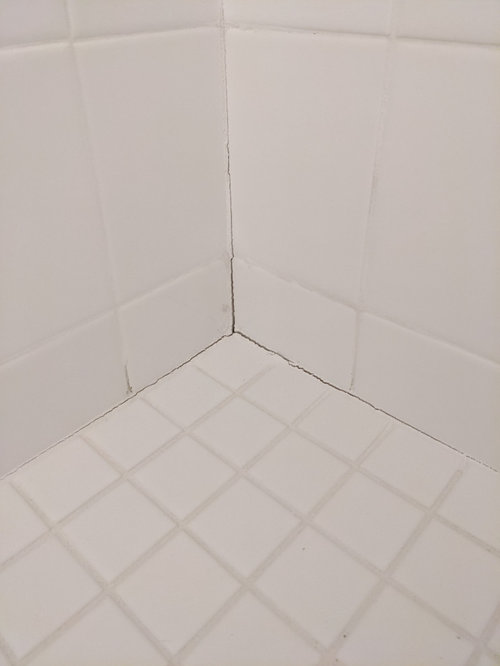
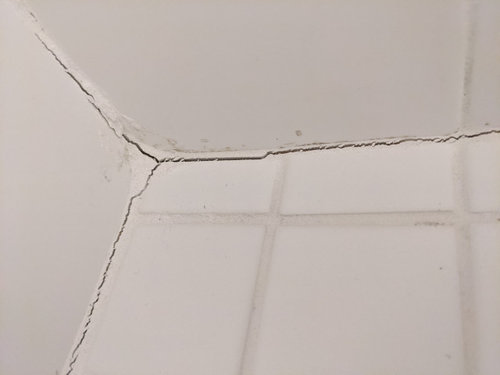
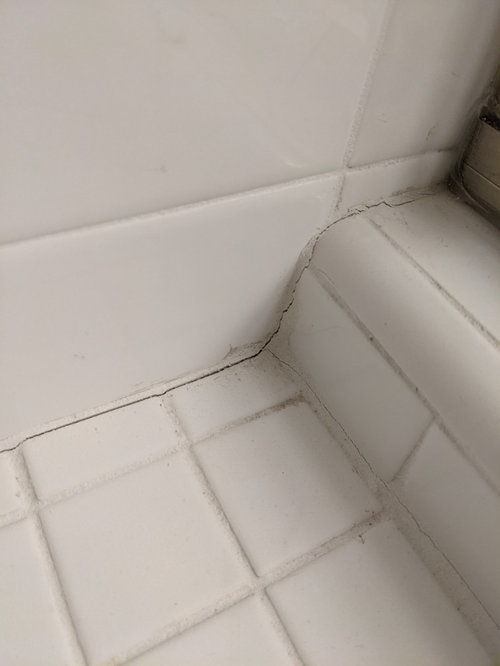
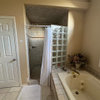
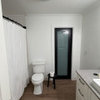
Large settlement(?) cracks in shower floor, new house.
4 years ago
Featured Answer
Sort by:Oldest
Comments (16)
 PRO4 years ago
 4 years ago
Related Professionals
Victoria Kitchen & Bathroom Designers · Port Saint Lucie Bathroom Remodelers · Lafayette Bathroom Remodelers · Cambridge Bathroom Remodelers · Lawrenceburg Bathroom Remodelers · Auburn Bathroom Remodelers · Portland Bathroom Remodelers · Milwaukee Bathroom Remodelers · Sheridan Bathroom Remodelers · Palm Bay Tile and Stone Contractors · Indianapolis Tile and Stone Contractors · New Braunfels Tile and Stone Contractors · Potsdam Tile and Stone Contractors · Clearlake Tile and Stone Contractors · San Bernardino Tile and Stone Contractors- 4 years ago
 4 years agolast modified: 4 years ago
 4 years ago
- 4 years ago
 4 years ago
- 4 years ago
 4 years ago
- PRO4 years ago
- 4 years agolast modified: 4 years ago
- 4 years ago
 PRO4 years ago
- 4 years ago
 PRO4 years agolast modified: 4 years ago
Related Stories
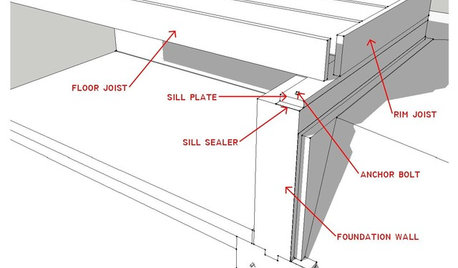
KNOW YOUR HOUSEKnow Your House: What Makes Up a Floor Structure
Avoid cracks, squeaks and defects in your home's flooring by understanding the components — diagrams included
Full Story
SHOWERSYour Guide to Shower Floor Materials
Discover the pros and cons of marble, travertine, porcelain and more
Full Story
BATHROOM DESIGNWhat to Use for the Shower Floor
Feeling Good Underfoot: Shower Tiles, Mosaics, Teak Slats and Pebbles
Full Story
TRANSITIONAL HOMESReworking a Two-Story House for Single-Floor Living
An architect helps his clients redesign their home of more than 50 years to make it comfortable for aging in place
Full Story
RUSTIC STYLEBrick Floors: Could This Durable Material Work for Your House?
You love the old-world look, but will you like the feel of it underfoot? Learn the pros and cons of interior brick flooring
Full Story
BATHROOM DESIGN18 Knockout Ideas for Wooden Floor Showers
Look to an often-forgotten material choice for shower floors that radiate beauty in almost any style bathroom
Full Story
BATHROOM MAKEOVERSBathroom of the Week: Large Curbless Shower Bathed in Sunshine
A design team helps a couple ditch their tub for a spacious new shower beneath skylights and add nature-inspired style
Full Story
HOUZZ TOURSHouzz Tour: A New Shower Leads to a Whole-House Remodel
Cohesion is the new name of the game for this transformed Arizona home, a dramatic departure from its former awkwardness
Full Story
BATHROOM MAKEOVERSDark-Floored Bathroom Offers Ocean Views From Tub and Shower
Designers in San Diego kept the vista in mind when choosing the remodeled bathroom’s layout and materials
Full Story
BATHROOM DESIGN7 Reasons Why Your Shower Floor Squeaks
No one wants to deal with a squeaky fiberglass shower floor. Here's what might be happening and how to fix it
Full Story
Creative Tile Eastern CT