

Does the Refrigerator need Starting power occasionally?
4 years ago
last modified: 4 years ago
Featured Answer
Sort by:Oldest
Comments (6)
 4 years ago
Related Professionals
Jacksonville Kitchen & Bathroom Designers · New Orleans Kitchen & Bathroom Designers · Wichita Falls Kitchen & Bathroom Designers · Youngstown Kitchen & Bathroom Designers · Atlantic City Bathroom Remodelers · Canton Bathroom Remodelers · Santa Fe Kitchen Remodelers · Montgomery General Contractors · Dallas General Contractors · Lynchburg General Contractors · Durango General Contractors · Tallahassee Home Remodeling · Laredo Home Remodeling · Traverse City Bathroom Remodelers · Tacoma Bathroom Remodelers- 4 years ago
- 4 years ago
Related Stories

INSIDE HOUZZHow Much Does a Remodel Cost, and How Long Does It Take?
The 2016 Houzz & Home survey asked 120,000 Houzzers about their renovation projects. Here’s what they said
Full Story
DECORATING GUIDESHow to Decorate When You're Starting Out or Starting Over
No need to feel overwhelmed. Our step-by-step decorating guide can help you put together a home look you'll love
Full Story
LIFEPower Up Your Morning Routine for a Happier, Healthier Day
Instead of heading straight for your phone, spend a few minutes focused on intention and inspiration
Full Story
KITCHEN STORAGEPulling Power: Clever Drawer Tactics for a Kitchen
It’s not how many drawers you have in your kitchen; it’s how they work for you
Full Story
FUN HOUZZ14 Things You Need to Start Doing Now for Your Spouse’s Sake
You have no idea how annoying your habits at home can be. We’re here to tell you
Full Story
LIFEHow to Prepare for and Live With a Power Outage
When electricity loss puts food, water and heat in jeopardy, don't be in the dark about how to stay as safe and comfortable as possible
Full Story
GREEN BUILDINGOff the Grid: Ready to Pull the Plug on City Power?
What to consider if you want to stop relying on public utilities — or just have a more energy-efficient home
Full Story
DECLUTTERING5 Ways to Jump-Start a Whole-House Decluttering Effort
If the piles of paperwork and jampacked closets have you feeling like a deer in the headlights, take a deep breath and a baby step
Full Story
MOST POPULARA Few Words on the Power of Simplicity
An architect considers a pared-down approach to modern home design
Full Story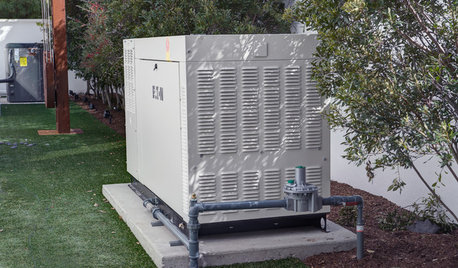
DISASTER PREP & RECOVERYMore Power to You: How to Pick the Right Generator
If your home's electricity goes, don't let it take your necessities with it — keep systems running with this guide to backup power
Full Story
rwiegand