Software
Houzz Logo Print
joek606

Feedback Wanted: 2022 Lawn Regiment (Chicago)

4 years ago
Hi All - I'm looking for feedback on my lawn care plan for this year (see below).


Lawn Specs:

  • Residential
  • Partial Sun (leans full Sun)
  • Heavy foot and pet traffic
  • Current Seed: Mix (Kentucky Bluegrass, Tall Fescue, Perennial Rye, Fine Fescue)
  • Over seeded in Fall 2021 but again have dead spots along sidewalk edges from winter salting + various dead spots from pets
  • Broad leaf weeds, particularly dandelions are bad here in early summer due to the ammount of unkept lawns; insects / bugs not an issue

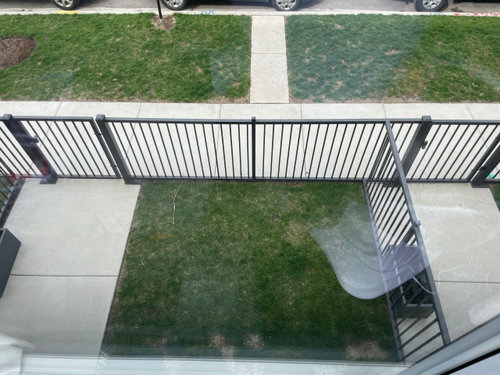
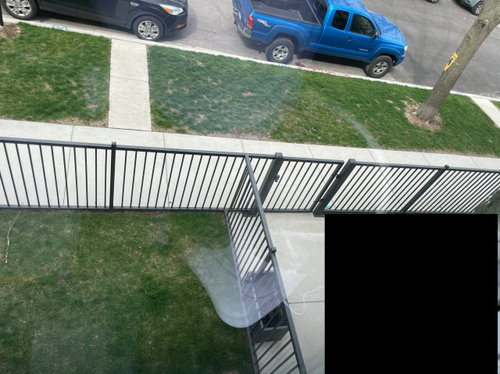
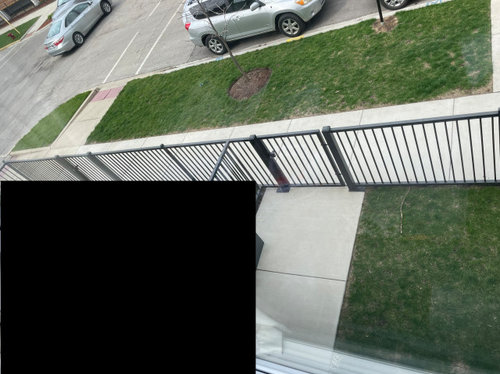
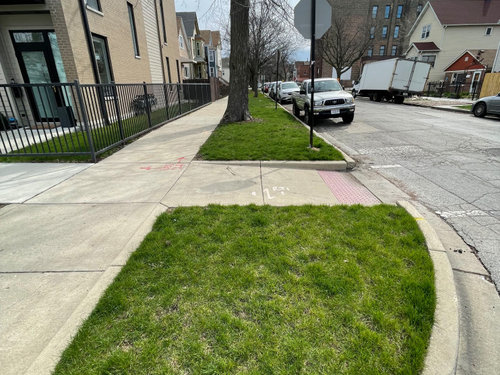
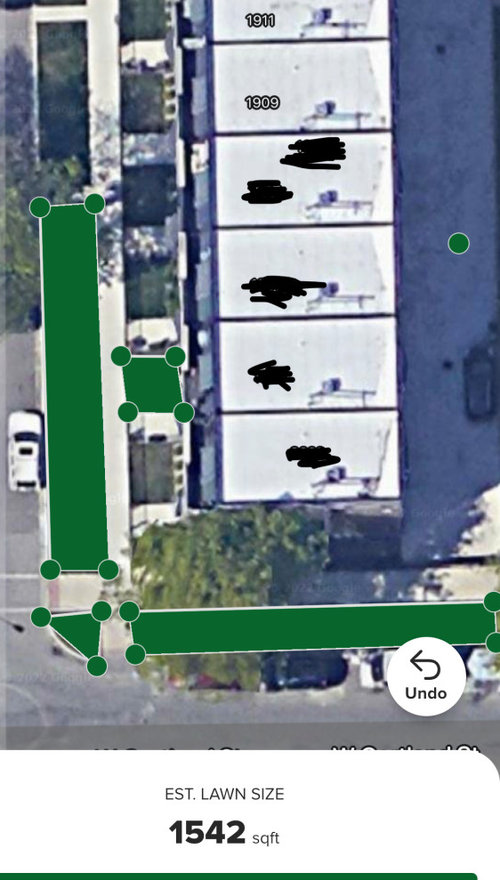
See Photos at Bottom:

  • Arial view of area
  • Current condition


Proposed 2022 Lawn Plan: (seeking feedback)

  • Apply April 21st (first stretch of highs above 60deg)

- Scotts Turf Builder Grass Seed Midwest Mix

- Scotts Turf Builder Triple Action Built for Seeding

  • Apply July 9 - Aug 5th (6-8 weeks after Spring seeding and fertilizing)

- Scotts Turf Builder SummerGuard Lawn Food with Insect Control

  • Apply September 2

- Scotts Turf Builder Grass Seed Midwest Mix

- Scotts Turf Builder Starter Food for New Grass

  • Apply Oct 14 - Nov 11

- Scotts Turf Builder WinterGuard Fall Lawn Food


Thoughts?

I'm not married to Scotts but I figured stay with one brand for once.

Thank so much!


Lawn Photos:


Comments (3)

  • 4 years ago

    I have some ideas which are in disagreement with yours. Here goes...

    NOW - MID APRIL: spot spray weeds with something like Weed-b-Gon. WBG works on clovers, dandelions, and other broadleaf weeds. It looks like you have a grassy mix where the different textures of grass make it look a bit on the weedy side. I'm going to suggest you live with that for now.

    Late May: fertilize with a real fertilizer only. By real I'm saying dry, not a spray liquid. Grass uses up fertilizer by the pound not by fractions of an ounce. The reason for waiting until May is that the roots have been busy in the soil over the winter. The grass awakens with enough nutrients to take it through May. If you fertilize now that forces the grass to use up the nutrients early, and it will still need fertilizer (again) in May. Save the money.

    Early September: fertilize again at the end of summer after the temps cool off a little.

    Mid September: If you feel the need to spot spray weeds again, now is the time.

    Late November: Fertilize again with a fast release, high N (zero P and K) fertilizer but you have to wait until the grass has completely stopped growing. The idea is to put nitrogen into the soil, and for the roots to process it, but without causing new growth before the frost hits.

    That is the details for fertilizing and weed control. In about 60 years of lawn care, I've never had insect damage that required treatment. To use a Scott's product which automatically applies insect control without a diagnosis of active damaging insects is very unsound. I realize they sell the product, but insects are an important class of life to have in your soil. By far most of the insects are microscopic and live in the soil. They help develop soil structure as they crawl through looking for food. A blanket application of insecticide disrupts all the insect life, and especially those friendlies living in the soil. When you see unhealthy soil, it is often due to mis application of insecticide and fungicide.

    Basics of lawn care

    Water deeply and infrequently. Deeply means 1 inch all at one time. You can measure 1 inch by placing cat food or tuna cans around the yard and turning on your sprinklers. Time how long it takes to fill all the cans. That will be your new watering time from now on. Mine is 8 hours with my hoses, water pressure, and oscillator sprinklers. Yours will be different. The frequency of watering depends on a lot of factors but they are all overshadowed by the daily high temperature. With temps below 70 degrees F, water deeply once a month (including rainfall). With temps in the 70s water once every 3 weeks. With temps in the 80s water once every 2 weeks. With temps in the 90s water once every week. With temps from 100 to 105 water once every 5 days. With temps above that water once every 3-4 days. NEVER water every day. If you have unusually dense cloud cover for many days, you might stretch those times out. If you have unusually dry, arid, winds, then you will need to water a little more often, but never daily.

    Mow at your mower's highest setting all the time unless you have bermuda, centipede, or creeping bentgrass. Those should be mowed at the lowest setting for the most dense growth.

    Fertilize as I mentioned above. If you have bermuda then you can start fertilizing after the second mowing in the spring and repeat every 4 to 6 weeks for the rest of the season. I have been using only organic fertilizer since 2002. I was all chemical until I gave the organics a chance. I was having trouble getting the grass to grow at all no matter how much chemical fertilizer I used. One application of organics seemed to unleash the grass. Here is a picture posted here 11 years ago by mrmumbles.


    The picture shows a spot where he dropped a handful of alfalfa pellets (rabbit chow) onto his zoysia lawn. It was applied in mid May and the picture taken in mid June. You can easily see the improved density, color, and growth. And people say that organic fertilizer isn't real fertilizer. That image is about the same difference I saw in my St Augustine lawn back in 2002. You can get rabbit chow at your local feed store for under $20 for 50 pounds. The application rate is 15 pounds per 1,000 square feet. They might have rabbit food and alfalfa pellets at slightly different prices. One thing I like about organics is you cannot overdo them. People have tried. One former member here applied soybean meal and Milorganite at about 50 pounds per 1,000 square feet every week for an entire season. One season I applied corn gluten meal at 20 pounds per 1,000 square feet every month for the season. All I can report is the most dense growth of grass ever. It was like mowing through cabbage.

    If you want to use Scott's fertilizers, fine. That's up to you. However, I would not use any mix like fertilizer with herbicide or insecticide. Only use the herbicide and insecticide if you need them and only where you need them. Don't use them everywhere and just because you think you might need them.

  • 4 years ago

    Would the alfalfa fertilizer work well with my mix of grasses: Kentucky Bluegrass, Tall Fescue, Perennial Rye, Fine Fescue?

    I’m in Chicago so needed the cold weather hardy grass and given it’s a city yard with a lot of foot traffic and + and uneven mix of Sun and shade I opted to not try for just one seed type.

  • 4 years ago

    That should work well. The triple mix of grass seed is perfect for your situation. Now is a terrible time to put it down, though.