Software
Houzz Logo Print
frank_laudone

Need help with ID

4 years ago

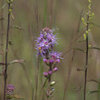
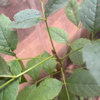
Can anyone tell me what type of plant this is it has been beautiful all year with little to no rain and a hot summer.

Comments (16)

  • 4 years ago


  • 4 years ago

    My guess is some type of Lilly??

  • 4 years ago

    It’s a Mandevilla, a twining vine.

  • 4 years ago

    Agree with Floral. There are several dark red cultivars, but "mandevilla" is the best we can do without knowing more. Some are dwarf, some are taller. They vary somewhat by flower size, depth of color and floriferousness, too.

  • 4 years ago

    Looked it up and they seem to have some concerning characteristics that could cause itching and maybe harmful to pets. Are there any other similar plants like this that look similar and is drought resistant same bloom time used in pots and full sun. I maybe asking for information that many identify with. It just seems this plant held up very well this year when we had little to no rain and very showy

  • 4 years ago

    Mandevilla is a common landscape plant in the tropics of little concern. The irritating sap only irritates the highly susceptible and then if they used it like sunscreen or drank it like milk. There really is no substitute for that bloom and performance under your baking conditions.

  • 4 years ago
    last modified: 4 years ago

    Many, many ornamental plants are toxic if ingested in large enough quantities. But mandevilla is pretty low on the list of toxicity. Just off the top of my head of plants commonly grown that are "poisonous" are: tomato and potato (the leaves), rhubarb (the leaves and roots), apples (yes, the seeds contain cyanide), peaches (the same, the pits contain cyanide), hydrangeas, lantana, poinsettias (and most other if not all euphorbias), daffodils, datura (angel and devil's trumpet), lily of the valley (convallaria), yew (taxus), oleander, madagascar periwinkle (Catharanthus roseus), rhododendron, foxglove (digitalis), monkshood (aconitum)....the list goes on and on. If we banished everything from our gardens that were the least bit toxic, our gardens would be just fruit and veggies. And even then, like I mentioned above, some edibles have dangerous parts.

    So, enjoy your mandevilla. Or several. As long as you aren't making a salad of it, I think you and your pets will be fine.

    EDIT: if you're worried about children around poisonous plants, the more dangerous plants are those with pretty berries, like the nightshade (solanum) family. Lantana is another to watch for. Holly (ilex) and yew come to mind as well. Most children won't stuff enough bad tasting leaves in their mouths to do much harm, lol. However, a handful of berries swallowed could be another matter.

  • 3 years ago

    As someone who gets a rash from any kind of latex sap, and the sap from a lot of other plants, I'm not so cavalier about saying this plant can't bother you if you don't eat it. Because of the latex sap, it does pose a risk of contact dermatitis (rash like poison ivy) if contact is made with the sap. That can happen if a stem is broken or if a leaf is pulled off. If the skin that gets sap on it belongs to someone who is sensitive, they will feel very affected for 7-10 days. Doubt enough sap would get through fur to bother a pet, but pet owners do report pet problems from various members of Commelinaceae family that are ground covers and the pets lay on them. I'm not sure an upright plant like Mandevilla is something a pet would contact at all except to pass by, especially in a pot.


    My sensitivity hasn't caused me to get rid of houseplants that I like, but I have to be very careful to avoid contact with the sap of anything with latex, and mucilaginous sap, like from Aroid and Commelinaceae families.


    If that's a pot, it must look amazing from farther back. There is no sign of a pot in the pic.

  • 3 years ago
    last modified: 3 years ago

    From an outdoor garden use standpoint the main limitation with these now widely sold plants (based on how often I see them on offer in my part of USDA 8) is that they are tropical. (Yet are one of those tender kinds that are routinely presented alongside bona fide landscape plants at warehouse stores and so forth).

  • 3 years ago

    It is rather astonishing the variety of grown for the landscape tropical plants sold as annuals to the unsuspecting in my big box in NC. I was truly astonished the year they had papayas.

  • 3 years ago

    I don't understand the part about annuals sold to the unsuspecting? If they called it an annual, what is the problem? Most "annuals" are tropical perennials.

  • 3 years ago

    It looks like my dipladenia rio. i love this plant, its very rewarding. No irritation to me. but thats just me!

  • 3 years ago

    @Tiffany, purpleinopp Z8b Opp, AL The unsuspecting are the vast majority of people who do not know plants, climate zones or read tags. "Oh, it has a pretty flower. I want one." They will buy the tropical landscape shrubs, not meaning the petunia kind annual bedding plants, at the big box in NC like hibiscus, croton, gardenia, mandevilla, confederate jasmine, et al that get frozen dead at the first frost. There is no labeling that says annual or house plant on them and they are mixed in with the zone appropriate landscape shrubs on a regular basis.

    Add in the number of zones 7 and 8 landscape shrubs in the big box in my zone 6 and that is a lot of frozen dead shrubbery for the unsuspecting.

  • 3 years ago

    That is different than "being sold as annual."

  • 3 years ago

    "annuals to the unsuspecting" leans towards a different meaning. I know those kinds of plants are annuals here. They can be quite handy for summer decorating. Hopefully I clarified what I meant. I probably should have added there is no labeling on the racks. The plants have tags.

  • 3 years ago
    last modified: 3 years ago

    The vast majority of retail outdoor plant purchases are made by people who are not hobby gardeners with years of experience in growing a large number of different kinds of plants. (Even many of those belonging to this category are monophiles focused on orchard fruits, roses, rhododendrons and so on that may not know much about plants that fall outside of their pet group). Two associated behaviors are selection and placement based on what plants are like at time of purchase - including their general size - and assumption that if a kind is being displayed outside by a retailer in their own area it is fully adapted to local conditions. Including winter conditions. With even the new approach of shopping with a smartphone in hand being dependent on the sites being used to look up purchases being considered providing solid information.

Sponsored
J.Holderby - Renovations
Average rating: 5 out of 5 stars4 Reviews
Franklin County's Leading General Contractors - 2X Best of Houzz!