

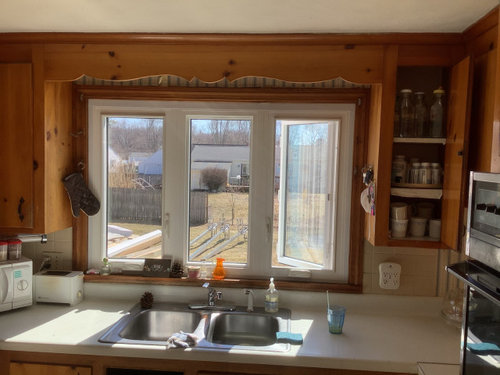
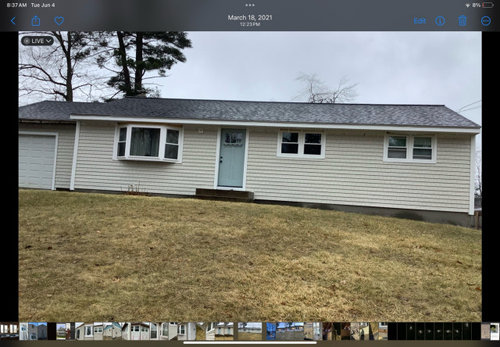
full tear out vs inserts
2 years ago

Sort by:Oldest
Comments (5)

Related Stories
HOUZZ TOURSMy Houzz: Full-Tilt Reinvention for a 1950s Ranch
Out went the dated features of this Vancouver hilltop home, and in went contemporary finishes and clean lines
Full Story
LIFEWhat I Learned While Cleaning Out My Junk Drawers
A homeowner finds some surprises on her journey to junk-free bliss
Full Story
HOMES AROUND THE WORLDHouzz Tour: A Cozy Dublin Condo Full of Smart Storage Ideas
This redesigned home is packed with stylish ideas for small-space living
Full Story
HOUZZ TOURSHouzz Tour: Bringing Out the Midcentury in San Francisco
Renters give their 1950s apartment loads of personal style with color, pattern and a rediscovered wood floor
Full Story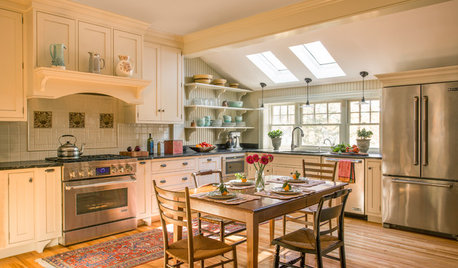
MOST POPULARKitchen of the Week: Swapping Out the 1980s for the 1890s
Beadboard-backed open shelves, a hearth-style stove surround and a roomy table are highlights of this Massachusetts kitchen
Full Story
GARDENING GUIDESWhy Your Garden Might Be Full of Weeds
Tired of battling unwanted plants? These surprising reasons for weediness point the way to cures
Full Story
REMODELING GUIDESWhat to Know Before You Tear Down That Wall
Great Home Projects: Opening up a room? Learn who to hire, what it’ll cost and how long it will take
Full Story
HOUZZ TOURSMy Houzz: Home Full of Boys Achieves Order and Inspiration
A 3-month overhaul produces an organized and inviting space fit for this Florida family of 9
Full Story
BATHROOM WORKBOOKHow to Lay Out a 5-by-8-Foot Bathroom
Not sure where to put the toilet, sink and shower? Look to these bathroom layouts for optimal space planning
Full Story
LIFEWe Can Work It Out: Living (and Cleaning) Together
Run a household without fussing and fighting with these ideas for how to work together on household chores
Full Story


fridge2020
Samuel Go lightlyOriginal Author
Related Professionals
Fort Myers General Contractors · Madison General Contractors · Somerset General Contractors · Anderson General Contractors · Ithaca General Contractors · Selma Home Remodeling · Crestview Home Remodeling · Alexandria Home Remodeling · Marietta Home Remodeling · Leominster Home Remodeling · Binghamton Home Remodeling · Bennington Home Remodeling · Missoula Home Remodeling · Albert Lea Interior Designers & Decorators · New York City Interior Designers & DecoratorsSamuel Go lightlyOriginal Author
Windows on Washington Ltd
HomeSealed Exteriors, LLC