

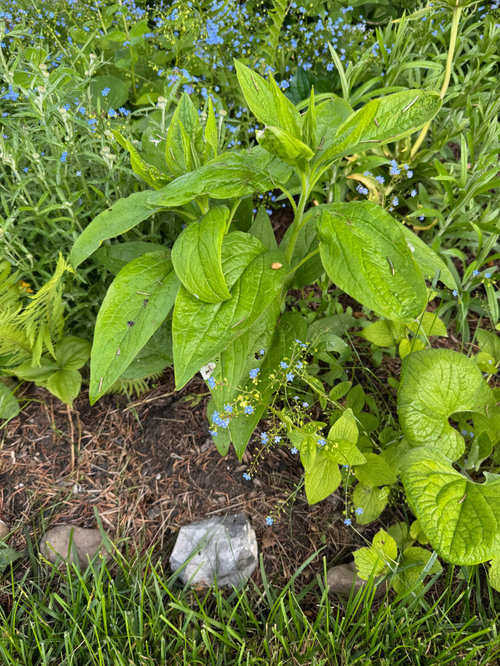
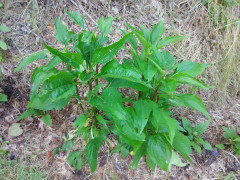
Plant ID, please
last year
last modified: last year
Featured Answer
Sort by:Oldest
Comments (21)
 last year
 last year
Related Professionals
Plainfield Landscape Architects & Landscape Designers · South Sioux City Landscape Architects & Landscape Designers · Colorado Springs Landscape Architects & Landscape Designers · Farmington Landscape Architects & Landscape Designers · Santa Fe Landscape Architects & Landscape Designers · Evanston Landscape Architects & Landscape Designers · McAllen Landscape Contractors · Davenport Landscape Contractors · Youngstown Landscape Contractors · Lubbock Landscape Contractors · Rome Stone, Pavers & Concrete · Clarksburg Stone, Pavers & Concrete · Saint Cloud Stone, Pavers & Concrete · Providence Stone, Pavers & Concrete · Sheboygan Stone, Pavers & Concrete- last year
 last yearlast modified: last year
- last year
 last year
- last year
 last yearlast modified: last year
 last year
- last year
- last year
- last year
- last yearlast modified: last year
- last year
- last year
- last year
- last year
- last yearlast modified: last year
- last yearlast modified: last year
 last year
Related Stories
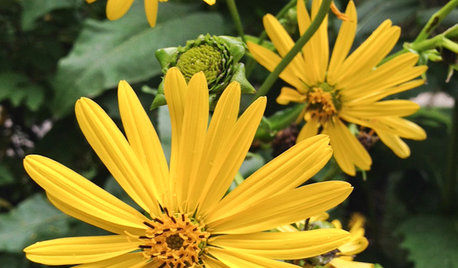
GARDENING GUIDESGreat Design Plant: Silphium Perfoliatum Pleases Wildlife
Cup plant provides structure, cover, food and water to help attract and sustain wildlife in the eastern North American garden
Full Story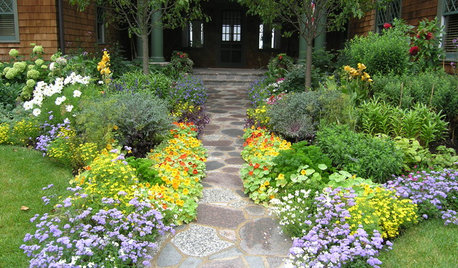
GARDENING GUIDESPathway Plantings That Please the Senses
Add some color, life and intrigue beside your sidewalk with these 7 suggestions
Full Story
GARDENING GUIDESGreat Design Plant: Please Bumblebees by Planting Baptisia Lactea
Plant wild white indigo in central and southeastern U.S. gardens for its large white flower heads and early-spring interest
Full Story
HOUSEPLANTSMother-in-Law's Tongue: Surprisingly Easy to Please
This low-maintenance, high-impact houseplant, also known as snake plant, fits in with any design
Full Story
SUMMER GARDENINGHouzz Call: Please Show Us Your Summer Garden!
Share pictures of your home and yard this summer — we’d love to feature them in an upcoming story
Full Story
HOME OFFICESQuiet, Please! How to Cut Noise Pollution at Home
Leaf blowers, trucks or noisy neighbors driving you berserk? These sound-reduction strategies can help you hush things up
Full Story
GARDENING GUIDESGreat Design Plant: California Buckwheat Pleases Pollinators
Beneficial insects go wild for this drought-tolerant plant’s summer flowers, while seed heads feed critters foraging in the cold
Full Story
GARDENING GUIDESGreat Design Plant: Ceanothus Pleases With Nectar and Fragrant Blooms
West Coast natives: The blue flowers of drought-tolerant ceanothus draw the eye and help support local wildlife too
Full Story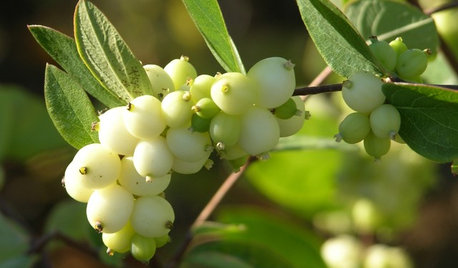
GARDENING GUIDESGreat Design Plant: Snowberry Pleases Year-Round
Bright spring foliage, pretty summer flowers, white berries in winter ... Symphoricarpos albus is a sight to behold in every season
Full Story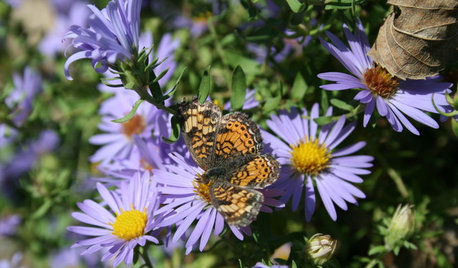
GARDENING GUIDESGreat Design Plant: Smooth Aster, the Wonder Pollinator
An insect nirvana with lovely near-blue petals, this low-maintenance aster strives to please
Full Story
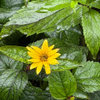
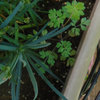
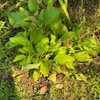
Jay 6a Chicago