Software
Houzz Logo Print
drcindy1

can lights vs chandelier in dining area

last month

Hi everyone,


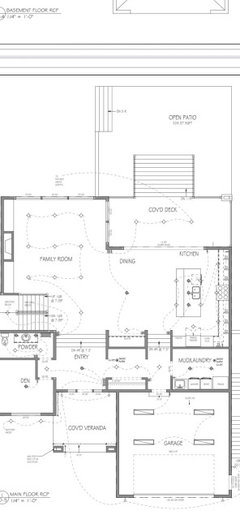
I'm not sure if you can see my attached floor plan well. This is new construction with an open floor plan and 9 ft. ceilings. Our builder can install can lighting in the dining room, which is appealing. We will also definitely use can lighting in the living room and kitchen, along with some sort of pendant lighting over the kitchen island.


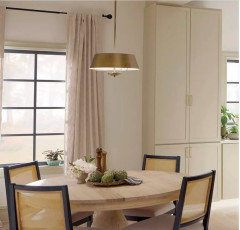
But I'm wondering if we should use a chandelier instead over the dining table to somehow anchor the space, because I don't know if it will look strange without one. Any thoughts or ideas? Thank you.


Comments (21)

  • PRO
    last month
    last modified: last month

    Both, like chispa recommends. The chandelier will illuminate the table and dinner guests for an appropriate dining experience; the can lights will aid you in cleaning the food off the floor the next morning after the dinner guests leave.

  • PRO
    last month

    Personally I would not install can lights in either the dining or the living room. They are great in kitchens and baths because they provide direct lighting for the work you need to do in those rooms. In dining and living rooms they are too glaring and unflattering especially if you're installing LEDs. Chandeliers, table lamps (yes even in dining rooms), sconces, and floor lamps are much better options.

  • PRO
    last month

    Diane's right, sconces will allow shadows to be cast from the wayward food on the floor to make it easier to detect.

  • PRO
    last month

    Is it sconces or scones? I always get those two mixed up. (humor)

  • PRO
    last month
    last modified: last month

    When I have to choose, I go for the scones. (serious)

  • last month

    Scones are edible, sconces are not!

  • last month

    In my husbands down right politically correct and woke work environment they are supposed to say 'feed a bird with two scones' instead of 'kill a bird with two stones'. Eye roll!


    *****

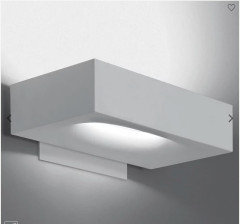
    Yes, to sconces in the dining and living room. They need not be decorative sconces, in fact, better if they are not. Leave the decorative lighting to reading lights, table lights, and chandeliers. Use architectural sconces for general lighting.


    Get architectural sconces that throw light far up and across the ceiling. I have six such sconces on dimmers and they illuminate my entire living room.


    They are ugly straight out of the box, but we had them painted the same color as the wall and they totally disappear, simply don't notice them. The light they produce is stunning. One of the most frequent comments we have about our home is how we achieved such incredible light. We hired a lighting designer who was amazing. A lighting designer is a great investment if you have a good one in your area.


  • last month

    I have canned lights and a chandelier in my DR and love it. I like having all my lights on so the house is bright and lit up when I'm home. But when we eat in the DR we just use the chandelier.

  • last month
    last modified: last month

    I'm confused. Dining area or dining room? If it is a dining area and shares the same ceiling as the kitchen, then yes, I would continue the recessed lighting into the dining area. All ceiling lights, no matter the room, put on dimmers. No need for a chandelier in a dining area, but if you like the look, consider a single bulb, shade, pendant.


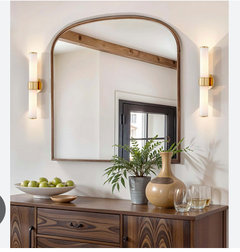
    If it is a separate dining room, I like a chandelier, sized appropriately with table size. No other ceiling lights, definitely sconces. For a bit more light in the dining room, have up/down lights on the wall and a mirror to reflect the chandelier.


  • last month

    I think a chandelier in a dining room is best. You get more options if you put it on a dimmer.

    I have recessed lights in my Great Room and they have been on once - the day we moved in. We light the sitting areas with lamps. Overhead lights seem harsh in many rooms. Good lighting is a mix, so you can change it as desired.

  • last month

    It appears (when squinting at the tiny drawing) there are not 4 corners in the open Dining Area so you should not do a "5-die pattern" with recessed surrounding a chandelier. Wall accents might be good, it looks like you may have a nook.

  • last month

    Chandelier and can lights, all on dimmers

  • PRO
    last month

    As a side note, consider locating the sliding glass door in the dining area and windows in the living area to allow more flexibility for furniture to be arranged in the living area.

  • last month

    Certainly different ways to shine a light on this subject. Because it hasn't been mentioned. It's easier to change out a chandelier than can lights if you decide to change the looks a bit down the road. Either way, congratulations on your new home

  • last month

    Zooming in on a phone, you will need some other lighting independent from the Dining table because you have lots of circulation on all sides of the table. Hopefully you do not make swiss cheese of the ceiling with a grid of recessed lights. Also, I think it says mini-split ceiling cassettes right in the middle of the ceilings competing with a Dining chandelier.

  • last month

    Thanks to everyone for their comments and suggestions. The dining area is NOT a separate room, and it shares the same 9 foot ceilings with the kitchen and living area.


    Yes, we are using mini-split ceiling cassettes in the ceiling but the placements aren't set in stone. We would NOT be placing one above the area where a dining chandelier may be.


    I haven't considered sconces since I have no experience with them! But we do want the can lights in both the kitchen and living areas. Diana Bier and RedRyder- you said they are glaring/harsh in a living/great area. But wouldn't that depend on the number of lights and the brightness/color of the bulbs we use? And wouldn't dimmers help with that? I don't want to depend on only lamps in the living area, and I hate the look of the single ceiling fixture, like what we have now in our tract home.


    3onthetree- good point about not making a "swiss cheese" of the ceiling with can lights. We'll need to figure out how many and where to place them to avoid that look.

  • last month

    Multiple 4" can led lights on dimmers over the dining area. No chandelier. With 9 foot ceilings you'll want to use wide spots or narrow floods with substantial lumen output. DMR is one quality source. 3500K temp is common. The table and chairs will give you enough definition in the single room. I'd also forego a pendant over the island in favor of recessed.

  • last month

    Just remember that one person's "glaring/harsh" lighting is another person's perfectly lit room, so make decisions for your own home. I have a combination of recessed lights, chandeliers/pendants and lamps. Better to have the option of too much lighting, than not have enough.

    Make sure your recessed lights are of better quality than the cheapest at a big box store and that the light source is actually recessed into the can. You do not want wafer lights as those do produce glare. Also look at the Kelvins, Lumens and CRI of the recessed lights.

  • last month

    Just for reference this is our lighting plan in our open concept main floor. We have dimmers in kitchen, living room and dining chandelier. We really like it. Lots of options. We do not like sconces and to be honest I find them outdated regardless of how they look. We also opted for no lamps in our living room which has worked out based on the furniture we have which doesn’t provide a landing space for a lamp.

  • last month

    I'll ask our builder about the size and quality of the canned lights he uses. They are definitely recessed lights and not wafer lights.

    Chispa- I also like the idea of using a combination of different types of lighting, and I do like the look of pendants over kitchen islands. I just want to choose a timeless looking style that I won't be tired of in 10 years.

    WestCoastHopeful-thanks for sharing your lighting plan! I have to agree about the sconces-the more I look at them, the more I don't care for them. They seem to look best in very formal rooms, and there will be nothing formal about our home design.