
Search results for "Additional consumer" in Home Design Ideas
 Hogue Landscape Services
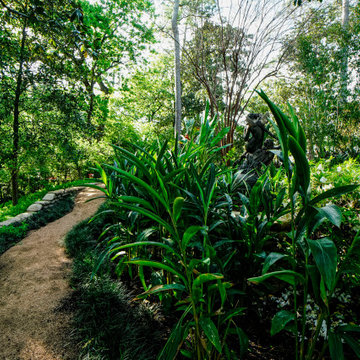
The concept of the garden was based on, “Brazilian Hummingbirds II”, a painting the MFAH has in its collection by the artist, Martin Johnson Heade. Heade travelled to the rainforest in Brazil between 1863 and 1864 and painted a
series of small paintings depicting hummingbirds in the lush foliage of the Brazilian rainforests. His painting, Brazilian
Hummingbirds, II, evokes the sultry atmosphere of the Brazilian rainforest with its misty quality and subtle lighting. His interest in ornithology can be seen in his detailed depictions of the hummingbirds. The garden location is adjacent to one of Buffalo Bayou’s steep, wooded ravines. The ravine, with its native plant communities and topography, is a perfect back-
drop for a garden with a rainforest theme. Because the date for the garden opening coincides with the spring migration of hummingbirds into our region, the hummingbird theme seemed appropriate for this garden competition. The garden will include a variety of tropical plants native to the rainforests such as bromeliads, orchids, heliconia, and passion fruit flowers. In addition, native plants to our region such as the Sabal Minor and Southern Wood Fern will be included to integrate
plants that are found nearby in the ravine. The Heliconia flowers produce considerable amounts of nectar, a high energy food essential for hummingbirds who are known to consume three times their bodyweight in a single day. In addition to nectar producing plants, there will be hummingbird nest materials dispersed throughout the garden. A misty quality to the garden will be provided by a misting system, and tropical colored lights will be lit at night for special events. Visitors to the garden will have a unique sensory experience reminiscent to that of Heade’s travels to Brazil’s rainforests.
 Hogue Landscape Services
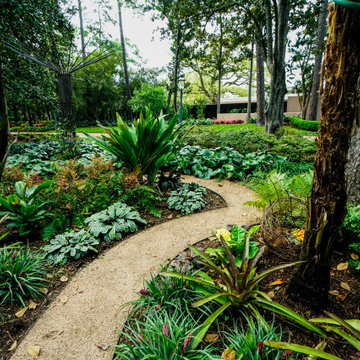
The concept of the garden was based on, “Brazilian Hummingbirds II”, a painting the MFAH has in its collection by the artist, Martin Johnson Heade. Heade travelled to the rainforest in Brazil between 1863 and 1864 and painted a
series of small paintings depicting hummingbirds in the lush foliage of the Brazilian rainforests. His painting, Brazilian
Hummingbirds, II, evokes the sultry atmosphere of the Brazilian rainforest with its misty quality and subtle lighting. His interest in ornithology can be seen in his detailed depictions of the hummingbirds. The garden location is adjacent to one of Buffalo Bayou’s steep, wooded ravines. The ravine, with its native plant communities and topography, is a perfect back-
drop for a garden with a rainforest theme. Because the date for the garden opening coincides with the spring migration of hummingbirds into our region, the hummingbird theme seemed appropriate for this garden competition. The garden will include a variety of tropical plants native to the rainforests such as bromeliads, orchids, heliconia, and passion fruit flowers. In addition, native plants to our region such as the Sabal Minor and Southern Wood Fern will be included to integrate
plants that are found nearby in the ravine. The Heliconia flowers produce considerable amounts of nectar, a high energy food essential for hummingbirds who are known to consume three times their bodyweight in a single day. In addition to nectar producing plants, there will be hummingbird nest materials dispersed throughout the garden. A misty quality to the garden will be provided by a misting system, and tropical colored lights will be lit at night for special events. Visitors to the garden will have a unique sensory experience reminiscent to that of Heade’s travels to Brazil’s rainforests.
 Hogue Landscape Services
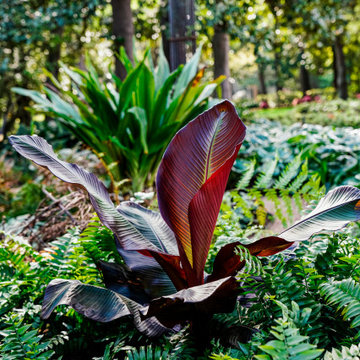
The concept of the garden was based on, “Brazilian Hummingbirds II”, a painting the MFAH has in its collection by the artist, Martin Johnson Heade. Heade travelled to the rainforest in Brazil between 1863 and 1864 and painted a
series of small paintings depicting hummingbirds in the lush foliage of the Brazilian rainforests. His painting, Brazilian
Hummingbirds, II, evokes the sultry atmosphere of the Brazilian rainforest with its misty quality and subtle lighting. His interest in ornithology can be seen in his detailed depictions of the hummingbirds. The garden location is adjacent to one of Buffalo Bayou’s steep, wooded ravines. The ravine, with its native plant communities and topography, is a perfect back-
drop for a garden with a rainforest theme. Because the date for the garden opening coincides with the spring migration of hummingbirds into our region, the hummingbird theme seemed appropriate for this garden competition. The garden will include a variety of tropical plants native to the rainforests such as bromeliads, orchids, heliconia, and passion fruit flowers. In addition, native plants to our region such as the Sabal Minor and Southern Wood Fern will be included to integrate
plants that are found nearby in the ravine. The Heliconia flowers produce considerable amounts of nectar, a high energy food essential for hummingbirds who are known to consume three times their bodyweight in a single day. In addition to nectar producing plants, there will be hummingbird nest materials dispersed throughout the garden. A misty quality to the garden will be provided by a misting system, and tropical colored lights will be lit at night for special events. Visitors to the garden will have a unique sensory experience reminiscent to that of Heade’s travels to Brazil’s rainforests.
Find the right local pro for your project
 Consumers Kitchens & Baths
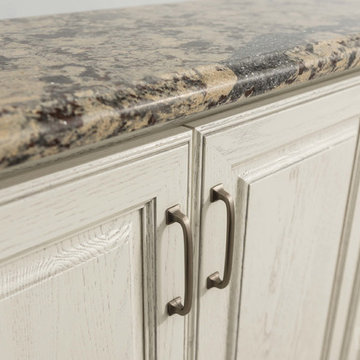
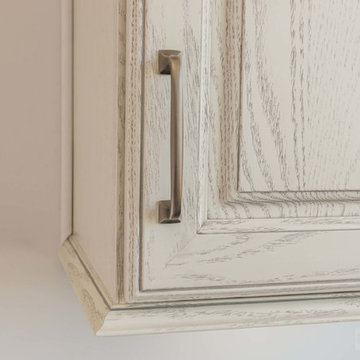
This bedroom in Whitestone was designed with Starmark red oak cabinets in the Juneau door style. Featuring a Dove Tinted Varnish finish, the addition of the Cambria Langdon countertop enhances the appeal of this gorgeous bedroom design.
 Consumers Kitchens & Baths
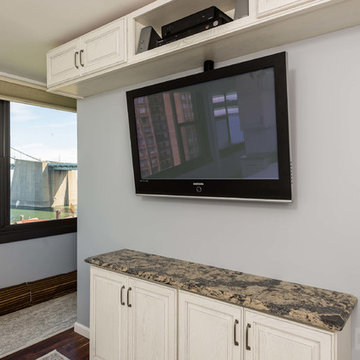
This bedroom in Whitestone was designed with Starmark red oak cabinets in the Juneau door style. Featuring a Dove Tinted Varnish finish, the addition of the Cambria Langdon countertop enhances the appeal of this gorgeous bedroom design.
 Field Architecture
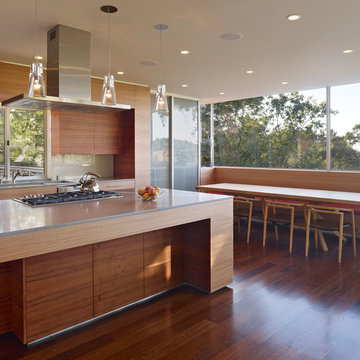
Situated in a pocket of classic Oak woodlands in Portola valley, the site of this home addition had partial views of the incredible landscape below, but lacked physical access to its full splendor. Analogous to a fallen log, the addition extends out from the original home to inhabit the slope, laying host to a new and unexpected habitable micro-environment. Gently cascading down the hillside, it echoes the natural slope of the site with a long, broad flowing stair lined with panoramic windows to capture views of the valley. As it terminates, a deck is laid forth and seemingly slips under the curtain wall beyond, spilling out onto a grassy play area and forming a seamless transition between indoor and outdoor living. Morning and evening light filtering through the trees create a dappled light that plays on the building and blends the house into the wooded hillside. Nature and nurture, soil and sun, is reinforced through all materials. The consistent color of the exterior panels forms a warm canvas for the light cast through the trees to create a brilliant exhibition of light and shadow that dances across the East and West façade as the sun moves throughout the day. The obscured forms of the surrounding trees dematerialize the house, which is consumed into the hillside. On the inside, faced with horizontally laid Eucalyptus, “cut-outs” in the cabinetry create small, warm apertures in the West façade where dramatic evening sun lights up the house and signals, “Its dinner time!”
 Consumers Kitchens & Baths
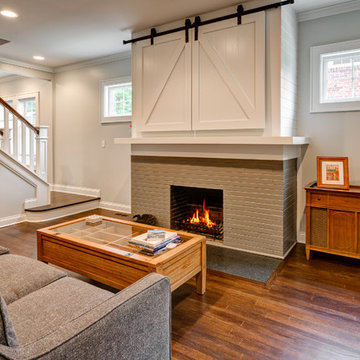
This bedroom in Whitestone was designed with Starmark red oak cabinets in the Juneau door style. Featuring a Dove Tinted Varnish finish, the addition of the Cambria Langdon countertop enhances the appeal of this gorgeous bedroom design.
Sponsored
Columbus, OH

Hope Restoration & General Contracting
Columbus Design-Build, Kitchen & Bath Remodeling, Historic Renovations
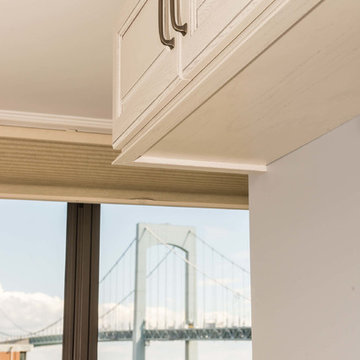 Consumers Kitchens & Baths
This bedroom in Whitestone was designed with Starmark red oak cabinets in the Juneau door style. Featuring a Dove Tinted Varnish finish, the addition of the Cambria Langdon countertop enhances the appeal of this gorgeous bedroom design.
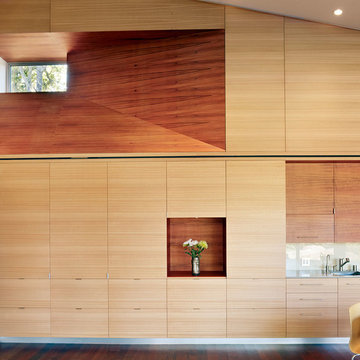 Field Architecture
Situated in a pocket of classic Oak woodlands in Portola valley, the site of this home addition had partial views of the incredible landscape below, but lacked physical access to its full splendor. Analogous to a fallen log, the addition extends out from the original home to inhabit the slope, laying host to a new and unexpected habitable micro-environment. Gently cascading down the hillside, it echoes the natural slope of the site with a long, broad flowing stair lined with panoramic windows to capture views of the valley. As it terminates, a deck is laid forth and seemingly slips under the curtain wall beyond, spilling out onto a grassy play area and forming a seamless transition between indoor and outdoor living. Morning and evening light filtering through the trees create a dappled light that plays on the building and blends the house into the wooded hillside. Nature and nurture, soil and sun, is reinforced through all materials. The consistent color of the exterior panels forms a warm canvas for the light cast through the trees to create a brilliant exhibition of light and shadow that dances across the East and West façade as the sun moves throughout the day. The obscured forms of the surrounding trees dematerialize the house, which is consumed into the hillside. On the inside, faced with horizontally laid Eucalyptus, “cut-outs” in the cabinetry create small, warm apertures in the West façade where dramatic evening sun lights up the house and signals, “Its dinner time!”
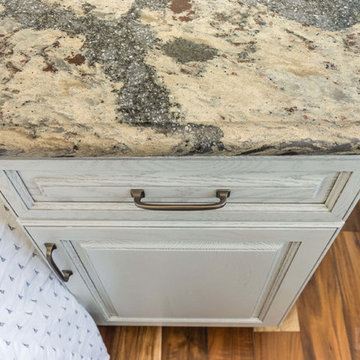 Consumers Kitchens & Baths
This bedroom in Whitestone was designed with Starmark red oak cabinets in the Juneau door style. Featuring a Dove Tinted Varnish finish, the addition of the Cambria Langdon countertop enhances the appeal of this gorgeous bedroom design.
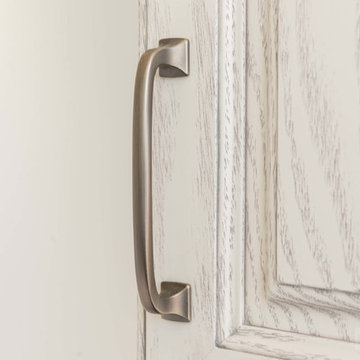 Consumers Kitchens & Baths
This bedroom in Whitestone was designed with Starmark red oak cabinets in the Juneau door style. Featuring a Dove Tinted Varnish finish, the addition of the Cambria Langdon countertop enhances the appeal of this gorgeous bedroom design.
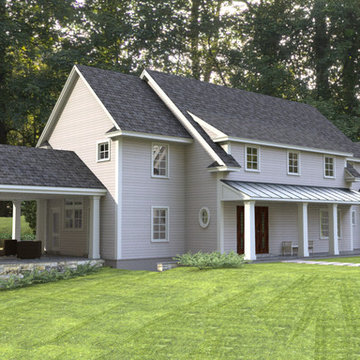
 Studio 1200
This home was designed to be a Passive House in Mendham, New Jersey. This design combines the charm of a New Jersey farmhouse with cutting edge building technology. Passive Homes consume only 10% of what a typical home consumes, and is built to last centuries. Windows are maximized and shaded from the summer sun on the south facade and on the north facade the windows are minimized. With the addition of solar panels, this Passive Home could achieve Net Zero energy consumption
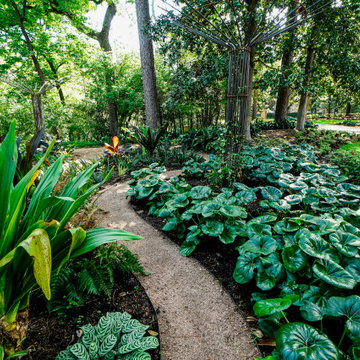 Hogue Landscape Services
The concept of the garden was based on, “Brazilian Hummingbirds II”, a painting the MFAH has in its collection by the artist, Martin Johnson Heade. Heade travelled to the rainforest in Brazil between 1863 and 1864 and painted a
series of small paintings depicting hummingbirds in the lush foliage of the Brazilian rainforests. His painting, Brazilian
Hummingbirds, II, evokes the sultry atmosphere of the Brazilian rainforest with its misty quality and subtle lighting. His interest in ornithology can be seen in his detailed depictions of the hummingbirds. The garden location is adjacent to one of Buffalo Bayou’s steep, wooded ravines. The ravine, with its native plant communities and topography, is a perfect back-
drop for a garden with a rainforest theme. Because the date for the garden opening coincides with the spring migration of hummingbirds into our region, the hummingbird theme seemed appropriate for this garden competition. The garden will include a variety of tropical plants native to the rainforests such as bromeliads, orchids, heliconia, and passion fruit flowers. In addition, native plants to our region such as the Sabal Minor and Southern Wood Fern will be included to integrate
plants that are found nearby in the ravine. The Heliconia flowers produce considerable amounts of nectar, a high energy food essential for hummingbirds who are known to consume three times their bodyweight in a single day. In addition to nectar producing plants, there will be hummingbird nest materials dispersed throughout the garden. A misty quality to the garden will be provided by a misting system, and tropical colored lights will be lit at night for special events. Visitors to the garden will have a unique sensory experience reminiscent to that of Heade’s travels to Brazil’s rainforests.
Sponsored
Columbus, OH

Structural Remodeling
Franklin County's Heavy Timber Specialists | Best of Houzz 2020!
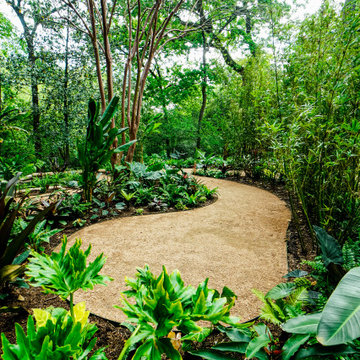 Hogue Landscape Services
The concept of the garden was based on, “Brazilian Hummingbirds II”, a painting the MFAH has in its collection by the artist, Martin Johnson Heade. Heade travelled to the rainforest in Brazil between 1863 and 1864 and painted a
series of small paintings depicting hummingbirds in the lush foliage of the Brazilian rainforests. His painting, Brazilian
Hummingbirds, II, evokes the sultry atmosphere of the Brazilian rainforest with its misty quality and subtle lighting. His interest in ornithology can be seen in his detailed depictions of the hummingbirds. The garden location is adjacent to one of Buffalo Bayou’s steep, wooded ravines. The ravine, with its native plant communities and topography, is a perfect back-
drop for a garden with a rainforest theme. Because the date for the garden opening coincides with the spring migration of hummingbirds into our region, the hummingbird theme seemed appropriate for this garden competition. The garden will include a variety of tropical plants native to the rainforests such as bromeliads, orchids, heliconia, and passion fruit flowers. In addition, native plants to our region such as the Sabal Minor and Southern Wood Fern will be included to integrate
plants that are found nearby in the ravine. The Heliconia flowers produce considerable amounts of nectar, a high energy food essential for hummingbirds who are known to consume three times their bodyweight in a single day. In addition to nectar producing plants, there will be hummingbird nest materials dispersed throughout the garden. A misty quality to the garden will be provided by a misting system, and tropical colored lights will be lit at night for special events. Visitors to the garden will have a unique sensory experience reminiscent to that of Heade’s travels to Brazil’s rainforests.
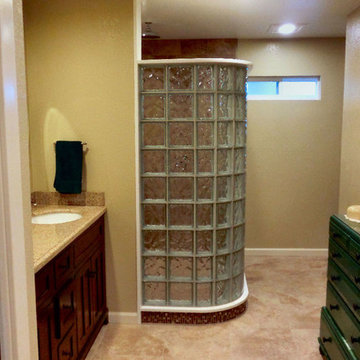
 Innovate Building Solutions
This project used a thinner glass block (which was 3 1/8" thick) to allow for more space inside the shower and to reduce the project cost. The walls were premade and sections and shipped to the site. This project was then installed by a DIY consumer.
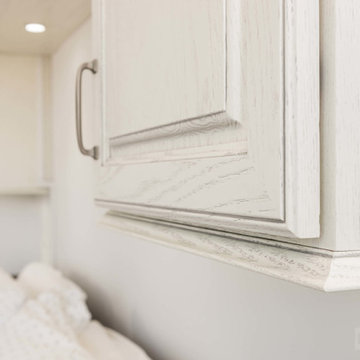 Consumers Kitchens & Baths
This bedroom in Whitestone was designed with Starmark red oak cabinets in the Juneau door style. Featuring a Dove Tinted Varnish finish, the addition of the Cambria Langdon countertop enhances the appeal of this gorgeous bedroom design.
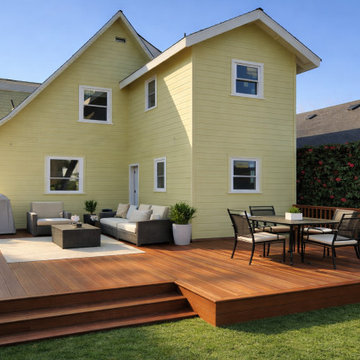
 Taragano Design and Build
Taragano Design & Build completed this second story addition in
Berkeley, California.
Going up rather than out was the only real option. The lot leaves
almost no room to extend at grade without consuming the rear yard,
which on a property this size is the most valuable space the house
has. Building over the existing footprint added the square footage
and left the yard intact.
Adding a floor to a house built in this era means the existing
structure has to carry a load it was never designed for. Framing
and foundation both get evaluated before anything is drawn, and
what the engineering finds determines whether the project is
feasible at all. That work happens during design, not after
permits.
The roof was the visible decision. Rather than square off the new
floor and cap it flat, a cross gable was run to match the pitch and
form of the original. From the yard the house reads as a Craftsman
that was always two stories, which is the difference between an
addition and an obvious addition.
The deck was built in two levels stepping down to the lawn. Holding
the outer platform low keeps the yard usable from the house without
a rail cutting the sight line, and the step gives the seating and
dining areas separation without a wall.
Licensed general contractor, CSLB #1143420. Diamond Certified.
Sponsored
Columbus, OH
Structural Remodeling
Franklin County's Heavy Timber Specialists | Best of Houzz 2020!
 Hogue Landscape Services
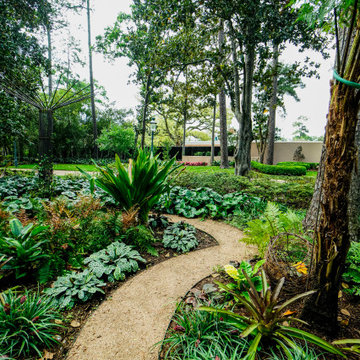
The concept of the garden was based on, “Brazilian Hummingbirds II”, a painting the MFAH has in its collection by the artist, Martin Johnson Heade. Heade travelled to the rainforest in Brazil between 1863 and 1864 and painted a
series of small paintings depicting hummingbirds in the lush foliage of the Brazilian rainforests. His painting, Brazilian
Hummingbirds, II, evokes the sultry atmosphere of the Brazilian rainforest with its misty quality and subtle lighting. His interest in ornithology can be seen in his detailed depictions of the hummingbirds. The garden location is adjacent to one of Buffalo Bayou’s steep, wooded ravines. The ravine, with its native plant communities and topography, is a perfect back-
drop for a garden with a rainforest theme. Because the date for the garden opening coincides with the spring migration of hummingbirds into our region, the hummingbird theme seemed appropriate for this garden competition. The garden will include a variety of tropical plants native to the rainforests such as bromeliads, orchids, heliconia, and passion fruit flowers. In addition, native plants to our region such as the Sabal Minor and Southern Wood Fern will be included to integrate
plants that are found nearby in the ravine. The Heliconia flowers produce considerable amounts of nectar, a high energy food essential for hummingbirds who are known to consume three times their bodyweight in a single day. In addition to nectar producing plants, there will be hummingbird nest materials dispersed throughout the garden. A misty quality to the garden will be provided by a misting system, and tropical colored lights will be lit at night for special events. Visitors to the garden will have a unique sensory experience reminiscent to that of Heade’s travels to Brazil’s rainforests.
 Hogue Landscape Services
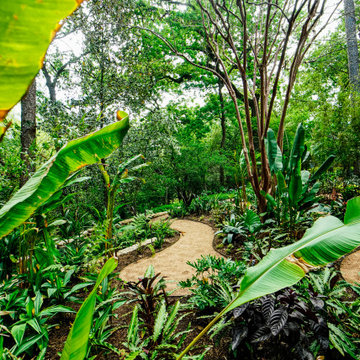
The concept of the garden was based on, “Brazilian Hummingbirds II”, a painting the MFAH has in its collection by the artist, Martin Johnson Heade. Heade travelled to the rainforest in Brazil between 1863 and 1864 and painted a
series of small paintings depicting hummingbirds in the lush foliage of the Brazilian rainforests. His painting, Brazilian
Hummingbirds, II, evokes the sultry atmosphere of the Brazilian rainforest with its misty quality and subtle lighting. His interest in ornithology can be seen in his detailed depictions of the hummingbirds. The garden location is adjacent to one of Buffalo Bayou’s steep, wooded ravines. The ravine, with its native plant communities and topography, is a perfect back-
drop for a garden with a rainforest theme. Because the date for the garden opening coincides with the spring migration of hummingbirds into our region, the hummingbird theme seemed appropriate for this garden competition. The garden will include a variety of tropical plants native to the rainforests such as bromeliads, orchids, heliconia, and passion fruit flowers. In addition, native plants to our region such as the Sabal Minor and Southern Wood Fern will be included to integrate
plants that are found nearby in the ravine. The Heliconia flowers produce considerable amounts of nectar, a high energy food essential for hummingbirds who are known to consume three times their bodyweight in a single day. In addition to nectar producing plants, there will be hummingbird nest materials dispersed throughout the garden. A misty quality to the garden will be provided by a misting system, and tropical colored lights will be lit at night for special events. Visitors to the garden will have a unique sensory experience reminiscent to that of Heade’s travels to Brazil’s rainforests.
 Consumers Kitchens & Baths
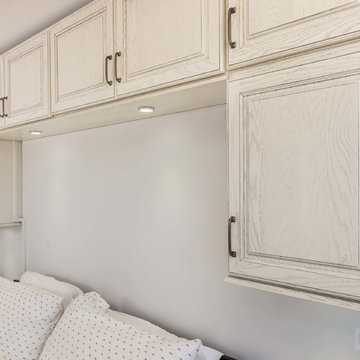
This bedroom in Whitestone was designed with Starmark red oak cabinets in the Juneau door style. Featuring a Dove Tinted Varnish finish, the addition of the Cambria Langdon countertop enhances the appeal of this gorgeous bedroom design.
8