
Search results for "Alerted" in Home Design Ideas
 Serious Audio Video
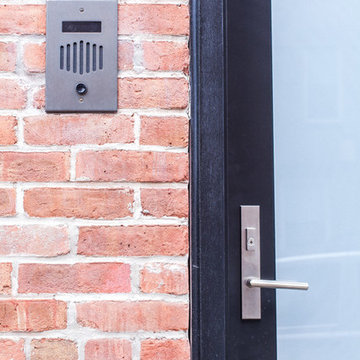
Low profile security cameras and an HD doorbell with two way communication give the home owners peace of mind.
See more & take a video tour :
http://www.seriousaudiovideo.com/portfolios/hoboken-smart-home-2/

 Boca Tech and Automation
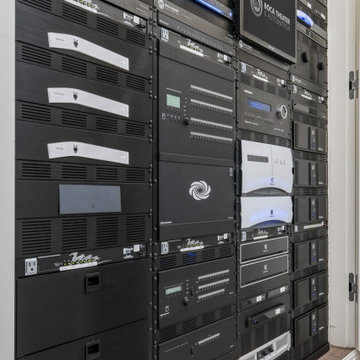
This project was the design and delivery of a flexible and fault-tolerant main equipment closet (MEC) housing an enterprise-class infrastructure that services a 20,000 square foot home, a vibrant business, and a world-class home theater. In Boca Theater and Automation’s experience, the three cornerstones of any successful project in South Florida involve clean power, proper management of heat, and ANSI/TIA certified copper and fiber terminations; enterprise-class systems add in redundancy where it matters.
To achieve this level of performance, the MEC and all endpoints are powered by a RoseWater HUB20 system backed up by a large-scale generator. The MEC is cooled using a dedicated air conditioner with four backup 300CFM exhaust fans triggered by temperature sensors. Both systems send alerts monitoring key parameters such as heat, moisture, incoming power, battery health, and more. Every rack-mounted device can be individually rebooted using the custom-designed touch panel interface, or from sixty-four labeled buttons on the user side of the rack.
BTA designed patch bays provide professional landing points for 11.7 miles of low voltage copper and fiber runs servicing the entire campus, and each termination was tested using a Fluke DSX8000 system following extended ANSI/TIA guidelines for 10GB permalink installations.
Find the right local pro for your project
 Woodbridge Renovations
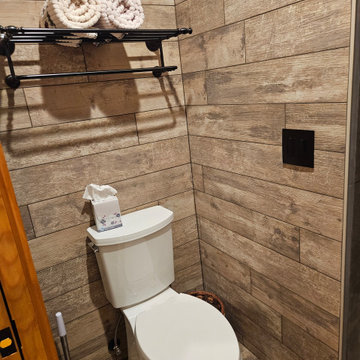
Rustic charm alert!
Discover the secret to a cozy bathroom oasis!
• Deer-adorned faucets add a touch of whimsy
• Warm accent lighting behind mirrors sets the mood
• Steam shower with old painted barnwood feel
• Antique Nickel finish fixtures for a modern twist
Ready to bring rustic luxury into your home?
 Free Lancing
Effective residential construction project management is crucial in today’s fast-moving building industry. It means overseeing every step of building a home, from planning to finishing, to ensure projects are completed time, within budget, and with high quality. Unlike commercial projects, residential projects require special attention to meet homeowners' unique needs and wishes, requiring a customized approach from the beginning to the end.
In 2025, the construction sector will use advanced technologies like AI and integrated project delivery (IPD) to streamline processes and improve stakeholder collaboration. However, project managers face significant challenges, including managing risks, maintaining quality control, and ensuring effective communication among team members.
A WIP Report (Work-in-Progress Report) is a key tool that helps track a project's budget, progress, and resource use. It provides clear insights, making managing costs easier, avoiding delays, and making informed decisions.
By adopting best practices and using modern construction management tools, project managers can overcome these challenges and deliver successful residential construction projects that meet client expectations and contribute to a sustainable future.
This article provides a brief overview of residential construction project management, highlights its importance, and touches on the challenges faced by project managers while incorporating the latest trends and technologies in the field.
Types of Residential Construction Management
Here are the different types of Residential Construction Management:
Single-Family Homes: These are standalone houses built for individual families. Managing these projects involves overseeing construction from planning to completion, ensuring that the home meets the owner's preferences and budget.
Multi-Family Housing: This includes apartments, condominiums, and townhouses. Projects of this type require managing multiple units, often with shared facilities, and ensuring compliance with local building codes.
Custom Home Building: This involves constructing homes tailored to specific client needs. Close collaboration with architects and designers is required to ensure the house reflects the owner's personality and preferences.
Home Renovation and Remodeling: These projects focus on updating or expanding existing homes. They often involve working with subcontractors for specialized tasks like electrical or plumbing work.
Components of Residential Construction Project Management
Managing a residential construction project requires carefully coordinating people, materials, and timelines. A well-structured approach ensures efficiency, cost control, and high-quality results.
Roles and Responsibilities
A project manager plays a vital role in residential construction. They oversee every step from planning to completion and ensure the project stays on schedule, within budget, and meets quality standards.
Project Manager’s Role in Home Construction
The project manager is responsible for organizing tasks, managing resources, and solving problems that arise during construction. They coordinate between different teams, track progress, and ensure safety regulations are followed.
Collaboration with Contractors, Architects, and Stakeholders
Successful residential construction requires teamwork. Project managers work closely with architects to bring designs to new heights, coordinate with contractors to manage labor and materials, and keep stakeholders (such as homeowners and investors) informed about project updates.
Client Communication and Expectations Management
Clear communication with clients is essential. The project manager keeps homeowners updated on timelines, changes, and challenges. Setting realistic expectations and providing regular updates, they help avoid misunderstandings and keep the project running smoothly.
Project Scope & Planning
Practical project planning sets the foundation for a successful residential construction project. It ensures clear goals, minimizes risks, and keeps the project on track.
Defining Project Objectives and Deliverables:
Clearly outlining what needs to be done and what the final result should look like is essential. This involves setting specific, measurable goals that align with the homeowner's vision and budget.
Managing Homeowner Expectations and Scope Creep:
Homeowners often have changing needs or ideas. Effective project managers must manage these expectations to prevent "scope creep," which can delay projects and increase costs. This involves open communication and setting clear boundaries.
Ensuring Compliance with Zoning Laws and Permits:
Before construction begins, it's crucial to ensure that all necessary permits are obtained and that the project complies with local zoning laws. This step avoids costly fines and delays, ensuring the project moves forward smoothly.
Budgeting & Cost Control
Proper budgeting is essential for keeping residential construction projects financially viable. Effective cost management prevents overspending and ensures profitability.
Accurate Cost Estimation for Residential Projects
A precise cost estimate considers labor, materials, permits, and unexpected expenses. Using historical data and Sage 300 CRE for financial management improves accuracy and helps set realistic budgets.
Budget Allocation and Tracking
Allocating funds efficiently ensures that each phase of the project receives the necessary resources. Tracking expenses through Construction & Financial Dashboards allows for real-time monitoring and early detection of budget deviations.
Preventing Budget Overruns
Uncontrolled costs can derail a project. Regular financial reviews, automated alerts for overspending, and contingency planning help keep expenses in check and prevent financial strain.
Scheduling & Timeline Management
Timely project completion is crucial in residential construction. Effective scheduling minimizes delays and ensures a smooth workflow.
Creating Detailed Project Schedules
A structured schedule outlines all tasks, deadlines, and dependencies. Breaking down the project into phases, planning, execution, and finishing, helps maintain order and clarity.
Preventing Delays & Meeting Deadlines
Delays can result from labor shortages, weather conditions, or supply chain issues. To avoid problems, it’s good to check for risks ahead of time, add extra time to schedules, and keep everyone on the same page.
Using Gantt Charts and Critical Path Methods
CPM for Construction helps identify critical activities that directly impact project completion, while Gantt charts provide a visual timeline of tasks. Both tools optimize scheduling and improve efficiency.
Residential Construction Project Management Phases
Managing a residential construction project effectively requires a structured approach through various phases. Each phase plays a critical role in ensuring the project's success, from initial planning to completion.
Pre-Construction Phase
The pre-construction phase sets the foundation for a smooth and efficient building process. Proper planning at this stage helps prevent costly changes and delays later.
Site Analysis & Approvals: A thorough site analysis assesses soil conditions, topography, and environmental factors. Feasibility studies evaluate project viability, including costs and regulatory compliance. Obtaining zoning approvals, permits, and other legal clearances is crucial before breaking ground.
Selecting Materials and Procurement Strategies: Choosing the right materials impacts durability, sustainability, and cost efficiency. A well-planned procurement strategy, including bulk purchasing and reliable supplier partnerships, ensures timely delivery and cost savings. Using Sage 300 CRE for procurement management helps streamline material sourcing and financial planning.
Construction Phase
The construction phase transforms plans into reality. Effective coordination and strict quality control ensure a successful build.
Resource Allocation and Workflow Coordination: Efficiently managing labor, equipment, and materials is key to maintaining progress. Using CPM for Construction, project managers can allocate resources strategically, prevent bottlenecks, and optimize workflows for timely completion.
Project Closeout & Handover
The final phase of residential construction project management is crucial for ensuring a smooth transition from construction to occupancy. Proper closeout procedures guarantee quality, client satisfaction, and long-term project success.
Final Inspections and Quality Assurance: Before finishing the project, a final inspection checks that everything meets safety rules and quality standards. Any problems need to be fixed quickly. Using Procore helps make inspections and tracking issues easier, ensuring a high-quality final product.
Client Walkthrough and Support: A final check helps homeowners see the finished work, ask questions, and make sure it meets their expectations. This is also a chance to explain important home features and maintenance tips. Good communication here builds trust and strengthens relationships.
Warranty Management and Feedback: Efficient warranty management ensures clients get quick help for any issues after construction. A clear process for tracking requests and keeping in touch with homeowners boosts satisfaction. Collecting feedback helps improve future projects. Using S-Curve Forecasting tracks performance trends and refines management strategies.
Software for Residential Construction Project Management
The integration of technology in residential construction project management has revolutionized the way projects are planned, executed, and monitored. Digital tools streamline operations, reduce costs, and improve communication, making them essential for modern construction firms.
Importance of Digital Tools
Investing in digital tools is crucial for construction firms as it transforms the industry by enhancing efficiency, accuracy, and collaboration across the entire project lifecycle. They also improve project management by streamlining processes, automating tasks, and facilitating real-time stakeholder communication.
Top Construction Management Software for Residential Projects
Several software solutions are available for managing residential construction projects:
Procore: Known for its comprehensive project management features, including document management and collaboration tools.
Sage 300 CRE: Offers robust accounting and financial management capabilities, ideal for large-scale construction projects.
Buildertrend: Specializes in residential construction, providing tools for project scheduling, budgeting, and client communication.
CoConstruct: Focuses on custom home building and remodeling, offering features for estimating, scheduling, and project management.
WIP Reports: Useful for tracking work-in-progress and managing project finances effectively.
Features Comparison and Best Use Cases:
Procore: Best for large projects requiring extensive collaboration and document management.
Sage 300 CRE: Ideal for firms needing robust financial management.
Buildertrend: Suitable for residential builders focusing on client communication and project scheduling.
CoConstruct: Perfect for custom home builders who need detailed estimating and scheduling tools.
WIP Reports: Useful for firms needing to track project finances closely.
How Software Improves Project Efficiency
Construction management software significantly enhances project efficiency in several ways:
Automating Accounting and Job Costing: Software like Sage 300 CRE automates financial tasks, reducing manual errors and improving budget tracking.
Streamlining Document Management and Communication: Tools like Procore centralize documents and facilitate real-time communication among team members, reducing misunderstandings and delays.
Mobile-Friendly Solutions for Real-Time Tracking: Mobile apps from platforms like Buildertrend allow for on-site access to project data, enabling real-time tracking and decision-making.
These digital tools and software solutions are essential for modern residential construction project management, offering benefits such as improved efficiency, enhanced collaboration, and better financial control.
Challenges in Residential Construction Project Management
Residential construction projects face a variety of challenges that can impact their success. Here are some of the key issues project managers encounter:
Managing Subcontractors and Labor Shortages
One of the biggest challenges in residential construction is managing subcontractors and dealing with labor shortages. Subcontractors often have their own schedules and priorities, which can lead to delays if not coordinated properly. Additionally, labor shortages can slow down projects and increase costs due to the need for overtime or hiring temporary workers.
Budget Overruns and Unexpected Costs
Budget overruns are common in residential construction due to factors like material price fluctuations, unexpected site conditions, or changes in project scope. Effective budget management involves regularly monitoring expenses and having contingency plans for unexpected costs.
Changing Construction and Eco Rules
Construction and Eco Rules are always changing, so project managers need to keep up with the latest regulations. This involves following guidelines for saving energy, protecting the environment, and ensuring safety. Ignoring these rules can lead to fines, delays, or even stopping the project.
Best Practices
To ensure your residential construction projects run smoothly and successfully, follow these essential best practices:
Setting Clear Project Goals and Milestones
Clearly defining what you want to achieve is the first step to success. Set specific, measurable, achievable, relevant, and time-bound (SMART) goals. This helps everyone involved understand what needs to be done and by when. For example, instead of saying "build a house," say "build a house with three bedrooms and two bathrooms within the next nine months."
Stakeholder Collaboration
Good communication is key to keeping everyone on the same page. Regular meetings with contractors, suppliers, and homeowners help prevent misunderstandings and ensure that everyone knows what's happening and what's next. This open dialogue also helps resolve issues quickly, preventing small problems from becoming big delays.
Using Data-Driven Insights for Decision-Making
Making decisions based on facts rather than guesses is crucial. Use data and analytics to understand project progress, identify potential issues early, and make informed decisions. For instance, if data shows that a particular material is consistently causing delays, you can plan ahead to avoid those delays in the future.
Proactive Risk Management Strategies
Things don't always go as planned, so being prepared is essential. Identify potential risks early and have a plan to manage them. This might include having backup suppliers, planning for weather conditions, or setting aside extra funds for unexpected expenses. Being proactive can prevent small issues from turning into major problems.
Conclusion
Effective residential construction project management requires careful planning, clear communication, and the right digital tools. From single-family homes to multi-family housing and custom projects, managing timelines, budgets, and quality is essential for success.
By following best practices, using project management software, and staying ahead of industry trends, project managers can ensure smooth execution and client satisfaction despite challenges like labor shortages, budget overruns, and regulatory compliance; modern technology and strategic planning help mitigate risks.
Construction firms can improve efficiency, enhance collaboration, and maintain financial control by adopting advanced tools like Procore, Sage 300 CRE, and Buildertrend. A well-managed project delivers a quality home and builds trust and long-term success in the industry.
FAQs
What is residential construction project management?
It involves overseeing all aspects of building residential properties, from initial planning and design to construction and completion, ensuring projects are completed on time, within budget, and to the desired quality standards.
How can I prevent budget overruns in my construction project?
Accurate cost estimation, continuous budget tracking, and having contingency plans for unexpected expenses are key strategies to prevent budget overruns.
What are the main stages of a residential construction project?
The primary stages include design, pre-construction, procurement, and construction.
How does construction management software improve project efficiency?
It streamlines processes like scheduling, budgeting, and communication, providing real-time data access and collaboration among stakeholders, which enhances overall project efficiency.
How can I ensure my project complies with local building codes and regulations?
Engage professionals familiar with local laws, obtain all necessary permits before starting, and conduct regular inspections to ensure adherence to building codes and regulations.
 J. Canabe's Painting Company
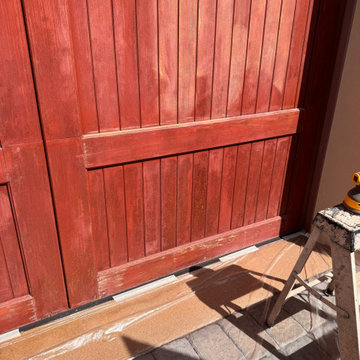
?✨ TRANSFORMATION ALERT! ✨?
These 5 wooden garage doors were weathered, faded, and crying out for help...
Now? They're showstoppers. ?
We brought them back to life with a rich, bold red paint that highlights the wood and adds instant curb appeal to this stunning home. ??
? Real wood + professional refinishing = long-lasting beauty.
? Ready to revive your garage doors this season? Let’s talk!
 komandor
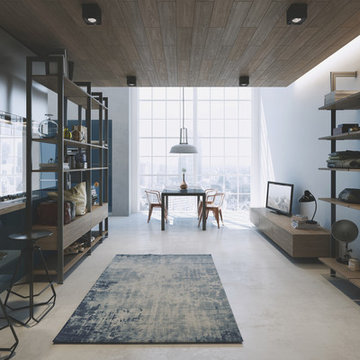
Komandor’s Orto Column System is the ultimate addition to the industrial, minimalistic and Scandinavian style. This custom made system has a wide range of uses for any room such as walk in closets, shelves, bookcases, media centres, desks, display cabinets, etc… Versatile in furnishing kitchens, bedrooms, living rooms and even businesses. Trend Alert!

 Skogman Remodeling and Repair
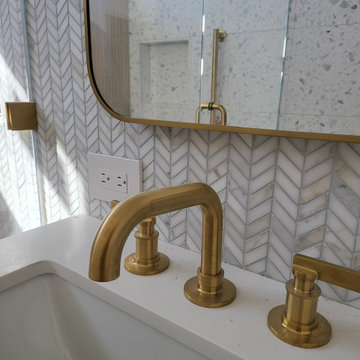
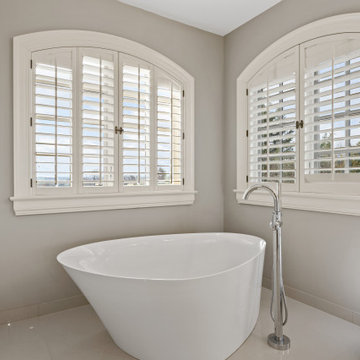
Exquisite taste alert!
Prepare to be in awe of this lavish transformation of a primary bathroom we recently completed. Featuring a captivating dual-head walk-in shower, beautiful built-in vanity, and a chic freestanding soaker tub, perfect for any spa day! This is luxury redefined!
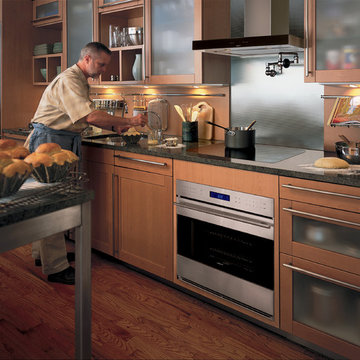
 Universal Appliance and Kitchen Center
Wolf 30" Cooktop Wall Hood Black | VW30B
Available at Universal Appliance and Kitchen Center | uakc.com
Built to perform beautifully:
Heavy-duty stainless steel with a classic brushed finish matches other Sub-Zero and Wolf products, and black glass adds a striking design element to your kitchen design.
Powerful blower options:
Customize your hood’s performance with multiple capacity options in internal, in-line, or external blowers.
Front-mounted electronic controls:
Conveniently placed on the front of the unit, the controls include white LED lighting in a look that coordinates with other Wolf products.
Dishwasher safe filters:
Aluminum mesh filters are dishwasher safe and easy to maintain. An indicator light alerts you when the filters need cleaning.
Bright LED lighting:
LED work lights with two brightness settings illuminate your cooking surface.
Telescoping chimney:
For greater design flexibility, the telescoping chimney reaches most standard ceiling heights, and a flue extension is available as an accessory.
Technical Features:
Shipping Weight (lbs): 44 - 93
Electrical Requirements: 110/120 V AC, 60 Hz, 15-amp dedicated circuit, grounded
Four blower speeds: Boost, High, Medium, Low
Remote control accessory provides control from up to 20 feet away
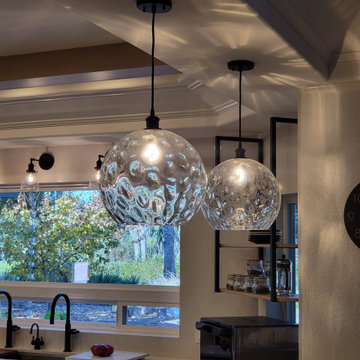
 HRS BUILD
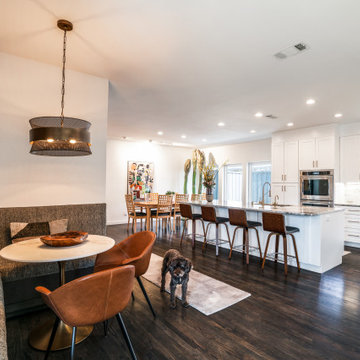
Cute dog alert,
Kitchen, Kitchen Nook and Home Office
Example of a mid-sized trendy l-shaped brown floor eat-in kitchen design in Dallas with shaker cabinets, white cabinets, marble countertops, gray backsplash, porcelain backsplash, stainless steel appliances, an island and white countertops
Example of a mid-sized trendy l-shaped brown floor eat-in kitchen design in Dallas with shaker cabinets, white cabinets, marble countertops, gray backsplash, porcelain backsplash, stainless steel appliances, an island and white countertops
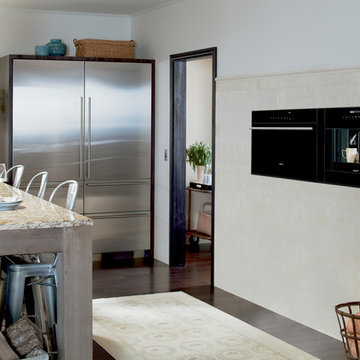 Universal Appliance and Kitchen Center
Wolf 30" E Series Contemporary Convection Steam Oven Black | CSO30CM
Available at Universal Appliance and Kitchen Center | uakc.com
Easy-access water tank:
The oven’s large water tank provides 90 minutes of continuous steam cooking. Thoughtfully designed, it can be refilled when needed without opening the oven door and interrupting the cooking process.
Largest interior capacity:
More than 25 percent larger than similar units, large enough to roast a 15-pound turkey, Wolf’s steam oven lets you prepare larger items and even multiple dishes at once.
Design flexibility:
Install the unit flush with cabinetry to seamlessly integrate it into your kitchen design. And since the unit isn’t plumbed, it can be installed anywhere without requiring special water lines.
10 cooking modes:
Precisely control heat, steam and airflow for the best results with any dish with 10 cooking modes: Steam, Reheat, Auto Steam Bake, Convection, Convection Humid, Convection Steam, Gourmet, Slow Roast, Recipes, and Keep Warm.
Steam mode:
Steam mode heats with steam and hot air, achieving a temperature range from 85°F-210°F. From vegetables, poultry and fish to grains, beans, pasta and egg dishes, gentle steam heat is ideal for capturing nutrition, color and flavor.
Reheat mode:
Reheat mode uses steam and hot air to rehydrate food gently. Using convection and the right amount of moisture, Reheat mode warms one to four pans of food evenly and without drying with a temperature range from 210°F to 300°F.
Auto Steam Bake mode:
By heating with steam first, then using convection heat to finish, bagels, breads, buns, rolls and pastries acquire a tender interior and a natural shine without the need for brushing with an egg wash. Auto Steam Bake mode temperatures range from 210°F to 445°F.
Convection mode:
A fan circulates hot air from a heating element at the back of the oven to distribute heat evenly around food for consistent results and browning. Convection mode temperatures range from 85°F to 445°F.
Convection Humid mode:
In Convection Humid mode, a heating element at the back of the oven produces heat and oven ventilation is sealed so that moisture produced during cooking remains in the oven. Convection Humid temperatures range from 85°F to 445°F.
Convection Steam mode:
Use Convection Steam for any foods you want to be tender inside and roasted or crisped outside. Convection steam mode temperatures range from 85°F to 445°F.
Gourmet mode:
Gourmet mode uses a climate sensor to adjust time, temperature and humidity for ideal results with no guesswork.
Slow Roast mode:
Slow Roast mode is an ultimate convenience. Insert the probe into your prepared meat, select a slow roast setting for the dish you're preparing, tell the oven what time you want it done, and come home to a perfectly cooked meal.
Recipes mode:
Use Recipes mode and the collection of built-in recipes to harness the power of the oven's many different cooking modes to easily cook entire meals from appetizers and entrees to desserts.
Keep Warm mode:
The combination of convection and steam heat preserves food’s taste, texture, looks and quality so every bite is as delicious as if it were fresh from the oven. Keep multiple dinner plates warm at once, making staggered meal times more convenient.
Temperature probe:
The temperature probe alerts you when your dish has reached the desired temperature, eliminating guesswork when preparing roasts and other meats.
Multiple pans and rack positions:
Two included pans can be placed in any of four rack positions. Both pans are stainles steel – one solid, and the other with a perforated bottom that is particularly well-suited for dishes prepared in Steam mode.
Delayed start:
What time would you like your dish to be ready? Simply program in a time. The oven turns on at the right moment and adjusts the cooking process so the food is ready to serve precisely when you want it.
Technical Features:
Shipping Weight (lbs): 80
Electrical Requirements: 220/240V, 60Hz, 20 amp dedicated circuit
Dimensions: 29 7/8"W x 17 7/8"H x 21 1/2"D
Star-K Kosher certified as Sabbath and holiday-compliant
 Just Grillin Outdoor Living
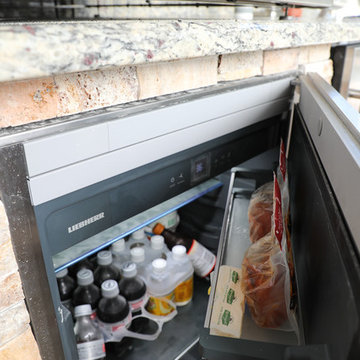
The Liebherr Outdoor Fridge is easy to control with the digital panel located just above the door when open.
These fridges have an alert system that let you know if the door has been left open or the temperature has been compromised.
These units are energy efficient and super quiet. The LED lighting lights up when the door is open and gradually builds up so your eyes adjust in a pleasing manner.
 Allman Remodeling Contractors
Bathroom Transformation Alert!
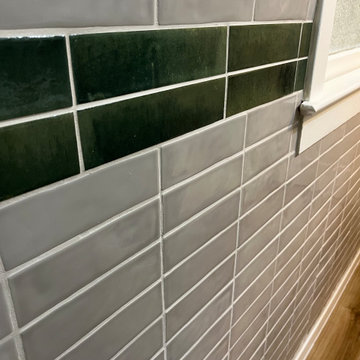
Check out this stunning before & after! We took this outdated space and gave it a fresh, modern makeover — complete with a sleek new larger shower, updated tile work, new fixtures, a clean elegant vanity setup, and refinished the window and doors.
✅ Walk-in tile shower with glass shelves & teak bench
✅ Modern wall tile with rich green accents
✅ Space-saving vanity & cabinet combo
✅ Waterproof luxury vinyl plank flooring
From dated to dazzling — this one checks all the boxes. Ready to upgrade your bathroom? Let's talk.
 Universal Appliance and Kitchen Center
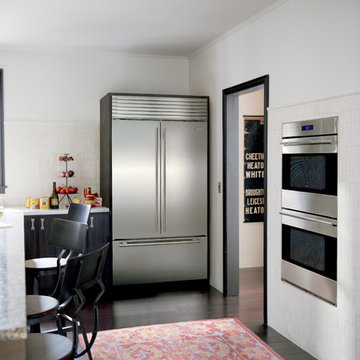
Wolf 30" E Series Transitional Built-In Double Oven Stainless Steel | DO30TE
Available at Universal Appliance and Kitchen Center | uakc.com
New stainless steel touch-control panel:
A favorite of chefs, the easy-to-master control panel now has a sleeker, cleaner look, with the same precise control of temperature, timer and mode settings — all visible via crisp LCD display.
Coordinated design styles:
Built to beautifully complement other Wolf products such as microwaves and warming drawers, ovens are available in three coordinating trim styles for easy customization.
Dual convection:
Two dedicated heating elements distribute heat evenly throughout the oven, for faster and better-tasting results — especially when using multiple racks at once.
10 one-touch cooking modes:
Each mode uses a distinct combination of heat source and airflow, providing the right cooking environment for every dish and ensuring delicious results.
Cobalt blue porcelain interiors:
Wolf's signature aesthetics enhance the ovens' interior, creating a bold cooking backdrop.
Temperature probe:
The temperature probe alerts you when your dish has reached the desired temperature, eliminating guesswork when preparing roasts and other meats.
Smooth door opening and closing:
Say goodbye to the sound of oven-door slams. Doors on built-in E series ovens open and close quietly and effortlessly, thanks to a balanced door hinge system.
Home automation compatible:
Select built-in E series oven features can be controlled via an existing home automation system for enhanced convenience.
Convenient features:
Ease-of-use is enhanced with self-clean, delayed start, timed cook and Sabbath mode settings.
Lower oven features:
The lower oven is a standard, non-convection oven offering four cooking modes (bake, broil, roast and proof).
Adjustable oven racks:
Each built-in E series oven comes standard with three adjustable racks: one standard rack, one full-extension easy-glide rack and one full-extension door-glide rack — placing heavier dishes safely within reach.
Obstacle-free cooking environment:
A hidden bake element allows for obstacle-free cleaning of the oven's floor, and a recessed broil element provides more room for large dishes.
Design flexibility:
Built-in E series ovens can be installed flush with surrounding cabinetry to complement an overall integrated kitchen design.
Enhanced interior views:
Large, double-pane glass door windows and bright, dual halogen lights give you a clear view of your dish without having to open the door and disturb the cooking environment.
Technical Features:
Dimensions: 29 7/8"W x 50 3/8"H x 23 3/4"D
Star-K Kosher certified as Sabbath and holiday-compliant
 Ecoscape Environmental Design
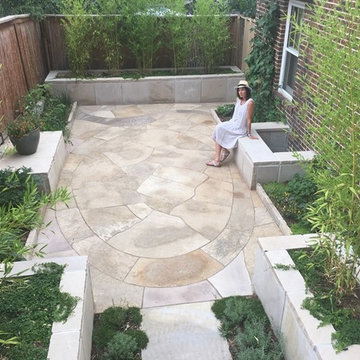
The renovation of this small space now provides a welcome sanctuary for the homeowners in this bustling university town. Pull out the yoga mat or rest alertly on the meditation cushion: think of your landscape supporting your wellness. Bring out the table & chairs, invite the neighbors, and celebrate your connections with others. Allow your landscape to serve you, design with full attention and intention.
 GOFLOW Plumbing
Small job, big peace-of-mind.
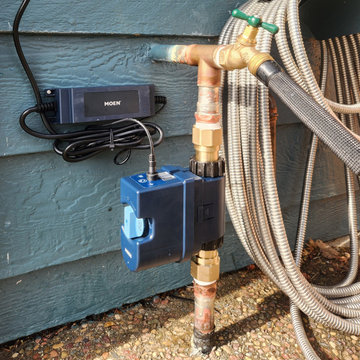
We were out in Bel Marin Keys today installing a 1” Moen Flo smart shutoff valve and a new hose bib. The whole job took just 2 hours, but what it does for a home is huge.
We don’t think about our water main until something goes wrong — and then the damage can be fast and expensive. A smart shutoff valve monitors your home’s water use and can automatically turn the water off if it detects a leak, helping prevent catastrophic water damage.
It also helps you save money on water. The Moen app alerts you to unusual usage, running toilets, or small leaks you might never notice otherwise.
And many insurance companies now see these systems as a major risk reducer, sometimes helping with coverage or lower premiums.
For those of us who have one, it means less stress when we’re away, better control of our homes, and one less thing to worry about.
Don't wonder what would happen if a leak started while no one was home, we can tell you all about it and how to keep it from happening to you.
16