
Search results for "Campaigner web" in Home Design Ideas


 Empire Landscaping, Inc.
Photo of a mid-sized traditional partial sun backyard stone landscaping for summer.


Find the right local pro for your project





 Great Lakes Metal Fabrication
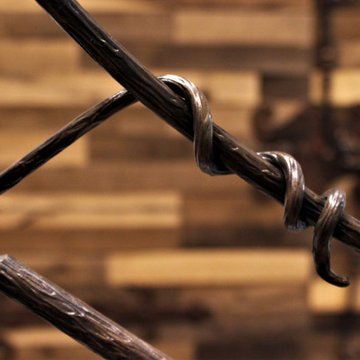
Staircase - large rustic wooden u-shaped open and mixed material railing staircase idea in Detroit




 Concrete Lifting Inc
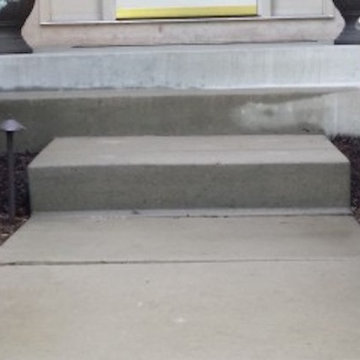
Design ideas for a small traditional front yard concrete paver landscaping in Minneapolis.


 Five Star Tree Care
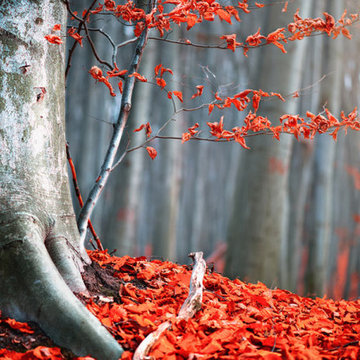
There are thousands of tree species all over the world and all these trees share the same anatomical features. All trees have trunks, branches, intricate rooting systems and leaves that make up their core systems. If you are curious about the anatomy and importance of each part, reading this guide by Five Star Tree Services is a great way to educate yourself.
Tree Branches & Twigs
The branches grow from the trunk of the tree and they help support the flowers, fruits and leaves the tree produces. The twigs and branches are also used as transport between the trunk and leaves. The top part of the tree along with the leaves is called the tree crown. This area filters dust and other debris from the atmosphere. In addition to cleaning the air, the crown also offers shade for animals and humans alike.
Tree Leaves
The leaves of a tree manage the photosynthesis process which ensures the tree has food and maintains its health. The leaves are also tasked with drawing in carbon monoxide and releasing oxygen for the rest of us to use. Many leaves have different edges which work to collect water, repel pests, and reduce wind resistance.
The Tree Trunk
The trunk of every tree has five layers. These layers consist of the inner bark, the outer bark, heartwood, sapwood, and cambium cell. The outer bark protects from harsh temperatures and pests, in addition to helping the tree retain moisture.
The inner bark, specifically the phloem is the digestive system that passes the food through to other parts of the tree. This part of the tree has a very short life, and it turns into cork before merging with the outer layer of bark when it dies. The cambium cell layer produces new tree bark and wood as the tree grows and this is generated from the hormones that come from the leaves and pass to the inner layer.
Sapwood is tasked with moving water to the leaves of the tree and as the wood ages, it transforms into heartwood, which is in the tree center. The heartwood is the main support of the tree structure and though it no longer grows, it won’t decay or become frail as long as it is protected by the outer layers.
The Tree Root System
One of the most important parts of the tree is its root system. These are found in the first three feet of soil around the tree and can extend as much as four times further away than the total circumference of the tree crown. The roots collect minerals and water from the ground, store food for the tree, and help secure it to its spot in the ground.
How Five Star Tree Services Can Help
Here at Five Star Tree Services, we care about the life and health of your trees. Our arborist offers 24-hour emergency services in addition to our regular tree and plant care services. If you are in need of trimming, tree assessment, deep root feeding, or tree removal in Toronto or the GTA, give us a call at (416) 990-3355 to set up an appointment.




 Columbine Design - CLOSED
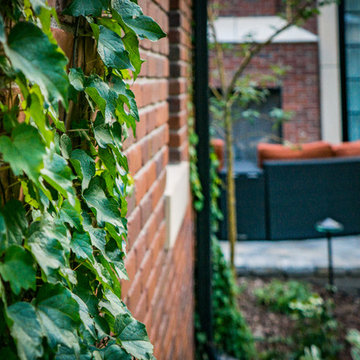
A small backyard and sloped front yard in the Washington Park area had some unique challenges, especially in terms of creating an inviting space for entertaining and relaxing in the backyard. Retaining walls in the front, complete with young perennials that will quickly grow to create a lush, multi-textured frame around the house, immediately create subtle lines and visual interest in front. The beautifully hardscaped backyard creates outdoor rooms, ideal for entertaining outside and making the most of a limited space. This fresh and new landscape will mature beautifully as the perennials continue to grow!
Photo by Bryan Kopp

 From The Inside Design
custom dining room. hand crafted ceiling, table and dining chairs
Example of a large classic kitchen/dining room combo design in Phoenix with beige walls
Example of a large classic kitchen/dining room combo design in Phoenix with beige walls


 Native Edge Landscape
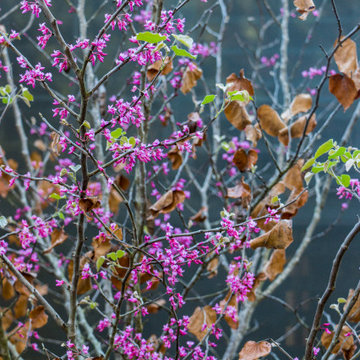
These homeowners came to us wanting to update their property with new plantings at the street, which matched the existing landscaping of the neighborhood, as well as update the various beds around their foundation. The existing beds throughout the property became overgrown and needed a bit of breathing room to allow space for the new plants to fill in. The old vegetation was ripped out and replaced with both native, and adapted plants.
The wooded area in the backyard was rid of debris, and a drainage system was added using the rocks that were in their previous landscape design. Not only were the materials able to be recycled, they are now used to help prevent continued erosion of the hillside by taking the water from the sloped driveway and giving it a path toward the woods. Limestone was the chosen replacement because it is cohesive with the neighbor’s landscaping and the pre-existing stairs in the backyard. Blocks of limestone were used to line the new beds and build a new fire pit to accessorize the beautiful view!
31