
Search results for "Growth bugs" in Home Design Ideas

 Agsia Design Group
Example of a mid-sized trendy backyard tile patio design in Miami with a roof extension

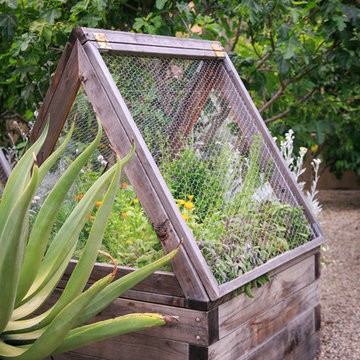
 Homefront Farmers
Cold frames are a terrific way to extend the growing season on both ends; serving as mini-greenhouses they allow your garden to keep producing in cold weather months when growing would otherwise be impossible. These beautiful, locally made cedar cold frames measure 24″x 44″ and slope from 5″ in front to 24″ in back (custom built sizes are also available). A temperature sensitive piston automatically opens and closes the lid as-need to create a perfect climate for your plants.
Find the right local pro for your project

 Pete Veilleux, East Bay Wilds
Photo by Pete Veilleux, East Bay Wilds.
'Island Pink' yarrow (Achillea millefolium 'Island Pink') with woolly blue curls (Trichostema lanatum).
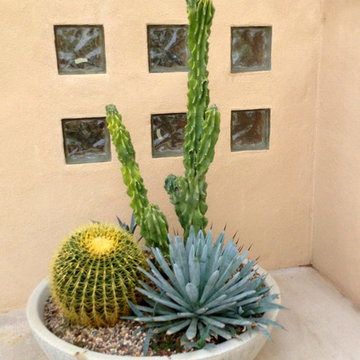
 Noelle Johnson Landscape Consulting
A photo taken of a succulent container.
Example of a southwest home design design in Phoenix
Example of a southwest home design design in Phoenix

 Carson Douglas Landscape Architecture
William Carson Joyce
This is an example of a rustic landscaping in Santa Barbara.
This is an example of a rustic landscaping in Santa Barbara.

Monarda didyma / Scarlet Beebalm
Photo: wplynn, via Flickr, licensed under Creative Commons Attribution-NoDerivs 2.0 Generic

 Steve Masley Consulting and Design
'Mexican Cinnamon' basil growing in a window box off the front deck. It's easy to slip out of the kitchen and pick a few leaves as needed. Here, the central leader is pinched out to encourage bushy growth. Photo by Steve Masley

 Hoi Ning Wong
Photo: Hoi Ning Wong © 2014 Houzz
Design ideas for a mid-century modern landscaping in San Francisco.
Design ideas for a mid-century modern landscaping in San Francisco.

 DHD Architecture and Interior Design
The Watermill House is a beautiful example of a classic Hamptons wood shingle style home. The design and renovation would maintain the character of the exterior while transforming the interiors to create an open and airy getaway for a busy and active family. The house comfortably sits within its one acre lot surrounded by tall hedges, old growth trees, and beautiful hydrangeas. The landscape influenced the design approach of the main floor interiors. Walls were removed and the kitchen was relocated to the front of the house to create an open plan for better flow and views to both the front and rear yards. The kitchen was designed to be both practical and beautiful. The u-shape design features modern appliances, white cabinetry and Corian countertops, and is anchored by a beautiful island with a knife-edge marble countertop. The island and the dining room table create a strong axis to the living room at the rear of the house. To further strengthen the connection to the outdoor decks and pool area of the rear yard, a full height sliding glass window system was installed. The clean lines and modern profiles of the window frames create unobstructed views and virtually remove the barrier between the interior and exterior spaces. The open plan allowed a new sitting area to be created between the dining room and stair. A screen, comprised of vertical fins, allows for a degree of openness, while creating enough separation to make the sitting area feel comfortable and nestled in its own area. The stair at the entry of the house was redesigned to match the new elegant and sophisticated spaces connected to it. New treads were installed to articulate and contrast the soft palette of finishes of the floors, walls, and ceilings. The new metal and glass handrail was intended to reduce visual noise and create subtle reflections of light.
Photo by Guillaume Gaudet

 Eden Garden Design
Scented star jasmine vines twine through the perforations of this custom steel screen that provides privacy to the outdoor dining area. Pocket planting on the stair treads includes a variegated Silver Dragon lilyturf and the bromeliad Queen's Tears (Billbergia nutans).
Photographer: Greg Thomas, http://optphotography.com/


 Jordana Nicholson
Photo: Jordana Nicholson © 2016 Houzz
Home design - country home design idea in Kansas City
Home design - country home design idea in Kansas City

 Ky-Kan Coatings
Concrete can be made to look like any substance. Tile, stone, wood, brick, etc. With unlimited color options, Ky-Kan Coatings can transform any room in your home or business using lightweight, beautiful concrete.
 SUPERIOR CHIMNEY SERVICES CORPORATION
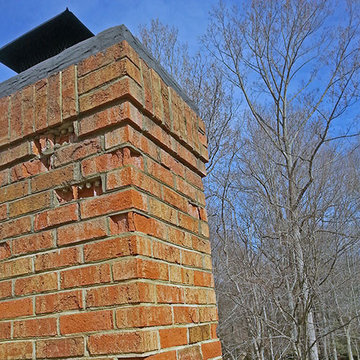
A Seeping Chimney Can Cause Long-Term Damage
A seeping chimney is a slow, gradual way of water entering into the home and causing damage slowly, steadily and over time. The seeping chimney damage can range from a minor repair to something far more extensive. However, when it comes to water, it certainly doesn’t play nice with the materials your home is made from, including your chimney.
Let’s take a look at some of the various damage that can occur when your chimney leaks and makes its way to the various part of your home.
Wall Damage
One of the most obvious telltale signs of a water leak from the seeping chimney is wall damage. When it reaches your walls, the paint can peel, the wall can little bubbles or even the drywall can begin to chip away. No different if you have crown molding, wood paneling or other decorative aspects to your walls. Water can make the varnish peel and cause discoloration.
When your chimney isn’t inspected each year by a certified technician, these damages can be very expensive to repair.
Mold Growth
Many of us have experienced mold in the bathroom. Why? Because it is a perfect place for mold to grow. You have the perfect main ingredient. Moisture. If a seeping chimney allows for moisture to enter your home, it can create a perfect scenario for mold to grow. Mold can be harmful to your heath, especially if you have health issues such as asthma, allergies or emphysema to name a few.
By maintaining a healthy chimney equipped with a chimney crown, chimney cap and a waterproofing solution called Chimney Saver, you can keep moisture out and your health in good shape.
Soft Wood, Walls & More
When water gets at wood or walls, and it drips over time, the wood and wall material turn soft and falls apart. This rotting makes the wood or walls flaky to the touch and can cause structural damage. There’s another issue that comes with rotting wood or water-logged walls…bugs and pests. This is the perfect vacation spot for bugs and pests. Keeping them out of your home is a top priority.
Keep unwanted visitors out of your home by having an inspection on the chimney, the flue and down to the fireplace completed. Contact us today at 877-244-6349. We’re right here in Lombard, IL, close to where you reside.
What You Can’t See Can Hurt You
One way to ensure wall damage, mold spores and deteriorating wood and walls don’t happen is to get a yearly inspection on the chimney. Whether you have a gas or wood burning fireplace, use it all the time or not, rain water is still active trying to find its way into your home. Don’t give it that chance. Keep on top of it with a yearly inspection.
Contact us today at 877-244-6349 to set an appointment for a fireplace clean and check for a certified chimney inspection.

 Zelaya Properties LLC
We used: Custom cherry cabinetry in Arts & Crafts Shaker style by Kabinart in Boulder and Espresso stains. Liberty Hardware Venetian bronze 1-1/2" cabinet knobs. KitchenAid Architect II Series 22 CF counter-depth French door refrigerator. KitchenAid Architect Series II 27" convection single wall oven. KitchenAid 36" 6-burner dual fuel freestanding commercial-style range. KitchenAid Architect II Series 24" dishwasher. Sharp Insight Pro Series 24" built-in microwave drawer (Model #KB6524PS). Crystorama Solaris 12" wide pendant lights in English bronze. Granite countertops in Brown Fantasy. 3"x6" polished marble backsplash.
Paint colors:
Walls: Glidden Silver Cloud 30YY 63/024
Ceilings/Trims/Doors: Glidden Swan White GLC23
Robert B. Narod Photography

 Southern Living Plant Collection
The disease-resistant Majesty™ Shrub Rose produces velvety, deep-red, semi-double blooms and reblooms spring until fall.
FEATURES
Bloom/Feature Deep-red semi-double blooms
Plant Type Shrubs
Evergreen or Deciduous Evergreen
USDA Zones 5,6,7,8,9,10,11
Zone Detail Hardy to 0 F
Key Features Disease/pest resistance, fall blooming
Use Accent, hedge, container, mass planting
Exposure Full sun
Bloom Season Spring, summer, fall
Dimension 3' H x 3' W
Growth Rate Moderate to fast
CARE
Water Water as needed
Soil Type Well-drained garden soil
Fertilizer Do not fertilize until after the first bloom cycle. Apply after the first wave of flowering. Do not fertilize late in the summer
Pruning Deadhead during growing season; prune in early spring when shoots begin to emerge
PLANTING INSTRUCTIONS
water before planting
plant in full sun
dig hole 3X the width of pot,
backfill and plant 1”-2” above soil level
water and add more soil if needed
mulch plants

 Moss Yaw Design studio
Engineered cedar siding creates beautiful gray-blue tones at the exterior of the home, while adding a textural element to activate the simple exterior design.


 Five Star Tree Care
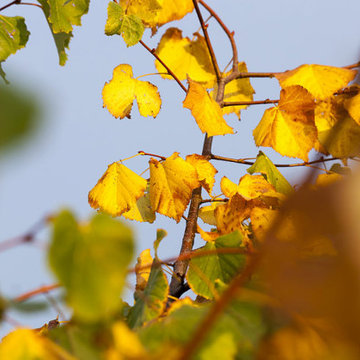
Most trees have leaves that will change colours every time the seasons change. This means that you may see changes three to four times a year depending on where you live. However, they will typically retain some measure of green colouring on their leaves until fall rolls around.
During the fall season, trees explode with bright reds, oranges, and vibrant yellows. This is a natural part of their growth and hibernation process. However, if you see these colours in the offseason, it may be a sign that there is a problem. Below, Five Star Tree Services discusses why your leaves may be yellow during the summer and what you can do about it.
Should Leaves Turn Yellow in the Summer?
If your trees have yellow leaves in the summer, it is a sign that it is suffering from disease, or having a problem with its growth cycle. Having your trees inspected periodically by a trained professional will help you catch problems early. If your trees already have yellow leaves in the offseason, they can identify the cause and suggest a solution. When diagnosed early, suggested treatments can help save the tree. Keep reading for some common causes of yellowing leaves.
Improper Watering
One of the most common reasons trees start to develop yellow leaves in the summer is due to dehydration. Checking the soil moisture levels will help determine if your trees are getting enough water. Hydration is important all year long, but especially crucial during the hot summer months. If there are dry areas around your tree trunk, it is a good idea to partake in deep root watering to help keep your trees healthy and well-watered. Make sure that you don’t overwater your trees because flooding their roots can also be unhealthy.
Lacking Nutrition
Just like people, trees need to get the right blend of nutrients in order to remain healthy. If your tree has yellow leaves in the summer and is also getting enough water, chances are it is not getting the nutrients it needs from the soil. If soil testing shows low levels of nutrients, it is a good idea to schedule a deep root fertilization treatment to adjust the levels. In many instances, correcting the soil will help you save the tree.
Insect or Pest Infestation
Yellow summer leaves are also a sign that a tree has been infested with pests. Some pest is only active in the summer. Some of the most common are:
Emerald Ash Borer
Asian Long-Horned Beetle
Yellownecked Caterpillar
Ash Flower Gall
Bronze Birch Borer
Apple-and-Thorn Skeletonizer
Eastern Tent Caterpillar
Birch Leafminer
Fall Webworm
Gypsy Moth
And many others
The first thing you should do is call an arborist to have the tree inspected. They will be able to identify the root of the problem and formulate a solution to treat the pest infestation. This will help you get rid of the bugs once and for all and save your tree in the process.
How We Can Help
If you have noticed that one of your trees have begun to develop yellow leaves, give Five Star Tree Services a call as soon as possible. We have been providing tree care services in Toronto for over 10 years. Our skilled arborist would be more than happy to evaluate your tree and suggest a solution to treat the problem, so don’t wait. Contact us at (416) 990-3355 today!
1