
Search results for "Horizontal stair rail" in Home Design Ideas
 Century Stair Company
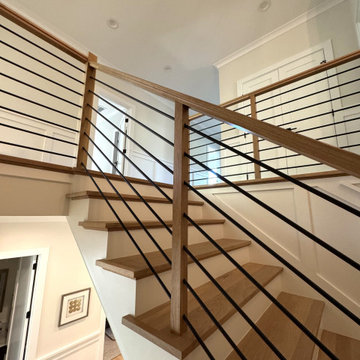
Metal and wood are often treated as opposites, but this staircase makes the case for partnership. White oak treads, chamfer-top newels, and a coordinating handrail bring the warmth and texture that only natural wood can offer. Against that, a satin black horizontal bar balustrade introduces rigid geometric precision, its clean lines and matte finish defining the oak rather than competing with it. The result is a staircase that feels both welcoming and sophisticated. Neither material overwhelms the other. Each one makes the other more defined.
1976-2026 © Century Stair Company
 Century Stair Company
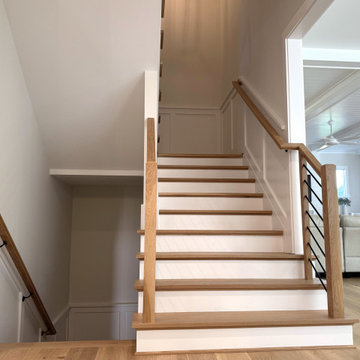
Metal and wood are often treated as opposites, but this staircase makes the case for partnership. White oak treads, chamfer-top newels, and a coordinating handrail bring the warmth and texture that only natural wood can offer. Against that, a satin black horizontal bar balustrade introduces rigid geometric precision, its clean lines and matte finish defining the oak rather than competing with it. The result is a staircase that feels both welcoming and sophisticated. Neither material overwhelms the other. Each one makes the other more defined.
1976-2026 © Century Stair Company
 Century Stair Company
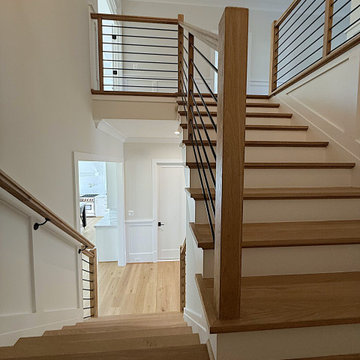
Metal and wood are often treated as opposites, but this staircase makes the case for partnership. White oak treads, chamfer-top newels, and a coordinating handrail bring the warmth and texture that only natural wood can offer. Against that, a satin black horizontal bar balustrade introduces rigid geometric precision, its clean lines and matte finish defining the oak rather than competing with it. The result is a staircase that feels both welcoming and sophisticated. Neither material overwhelms the other. Each one makes the other more defined.
1976-2026 © Century Stair Company
Find the right local pro for your project
 Century Stair Company
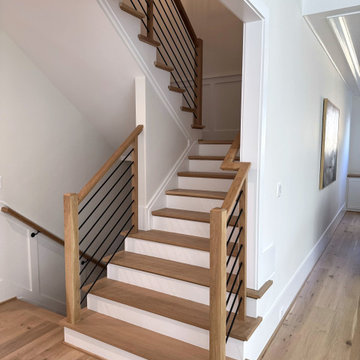
Metal and wood are often treated as opposites, but this staircase makes the case for partnership. White oak treads, chamfer-top newels, and a coordinating handrail bring the warmth and texture that only natural wood can offer. Against that, a satin black horizontal bar balustrade introduces rigid geometric precision, its clean lines and matte finish defining the oak rather than competing with it. The result is a staircase that feels both welcoming and sophisticated. Neither material overwhelms the other. Each one makes the other more defined.
1976-2026 © Century Stair Company
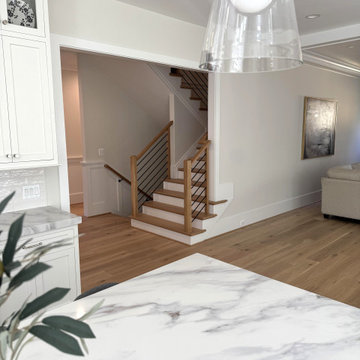 Century Stair Company
Metal and wood are often treated as opposites, but this staircase makes the case for partnership. White oak treads, chamfer-top newels, and a coordinating handrail bring the warmth and texture that only natural wood can offer. Against that, a satin black horizontal bar balustrade introduces rigid geometric precision, its clean lines and matte finish defining the oak rather than competing with it. The result is a staircase that feels both welcoming and sophisticated. Neither material overwhelms the other. Each one makes the other more defined.
1976-2026 © Century Stair Company
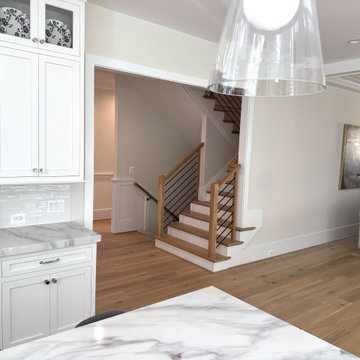 Century Stair Company
Metal and wood are often treated as opposites, but this staircase makes the case for partnership. White oak treads, chamfer-top newels, and a coordinating handrail bring the warmth and texture that only natural wood can offer. Against that, a satin black horizontal bar balustrade introduces rigid geometric precision, its clean lines and matte finish defining the oak rather than competing with it. The result is a staircase that feels both welcoming and sophisticated. Neither material overwhelms the other. Each one makes the other more defined.
1976-2026 © Century Stair Company
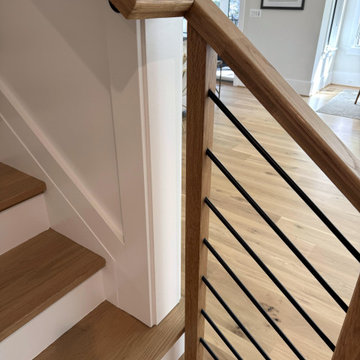 Century Stair Company
Metal and wood are often treated as opposites, but this staircase makes the case for partnership. White oak treads, chamfer-top newels, and a coordinating handrail bring the warmth and texture that only natural wood can offer. Against that, a satin black horizontal bar balustrade introduces rigid geometric precision, its clean lines and matte finish defining the oak rather than competing with it. The result is a staircase that feels both welcoming and sophisticated. Neither material overwhelms the other. Each one makes the other more defined.
1976-2026 © Century Stair Company
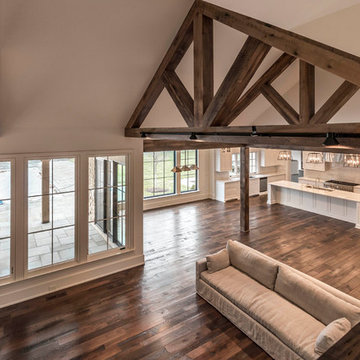

 Century Stair Company
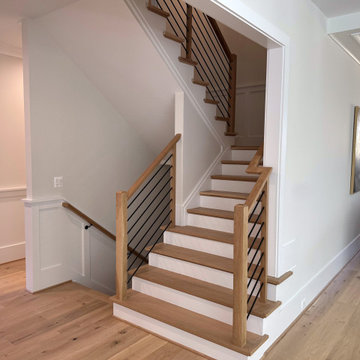
Metal and wood are often treated as opposites, but this staircase makes the case for partnership. White oak treads, chamfer-top newels, and a coordinating handrail bring the warmth and texture that only natural wood can offer. Against that, a satin black horizontal bar balustrade introduces rigid geometric precision, its clean lines and matte finish defining the oak rather than competing with it. The result is a staircase that feels both welcoming and sophisticated. Neither material overwhelms the other. Each one makes the other more defined.
1976-2026 © Century Stair Company
 Century Stair Company
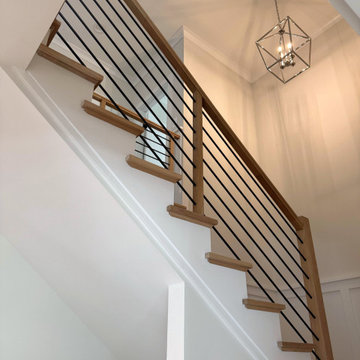
Metal and wood are often treated as opposites, but this staircase makes the case for partnership. White oak treads, chamfer-top newels, and a coordinating handrail bring the warmth and texture that only natural wood can offer. Against that, a satin black horizontal bar balustrade introduces rigid geometric precision, its clean lines and matte finish defining the oak rather than competing with it. The result is a staircase that feels both welcoming and sophisticated. Neither material overwhelms the other. Each one makes the other more defined.
1976-2026 © Century Stair Company
 Century Stair Company
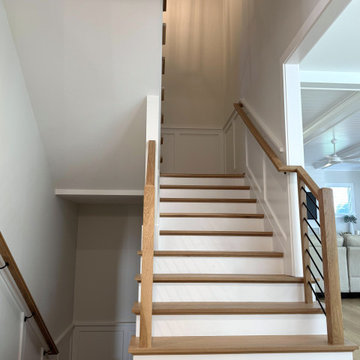
Metal and wood are often treated as opposites, but this staircase makes the case for partnership. White oak treads, chamfer-top newels, and a coordinating handrail bring the warmth and texture that only natural wood can offer. Against that, a satin black horizontal bar balustrade introduces rigid geometric precision, its clean lines and matte finish defining the oak rather than competing with it. The result is a staircase that feels both welcoming and sophisticated. Neither material overwhelms the other. Each one makes the other more defined.
1976-2026 © Century Stair Company
 Century Stair Company
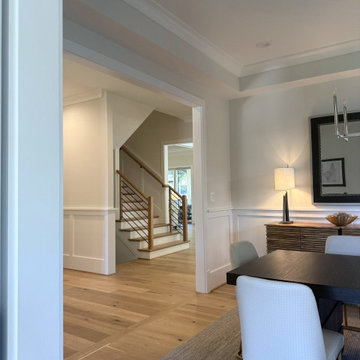
Metal and wood are often treated as opposites, but this staircase makes the case for partnership. White oak treads, chamfer-top newels, and a coordinating handrail bring the warmth and texture that only natural wood can offer. Against that, a satin black horizontal bar balustrade introduces rigid geometric precision, its clean lines and matte finish defining the oak rather than competing with it. The result is a staircase that feels both welcoming and sophisticated. Neither material overwhelms the other. Each one makes the other more defined.
1976-2026 © Century Stair Company
 Century Stair Company
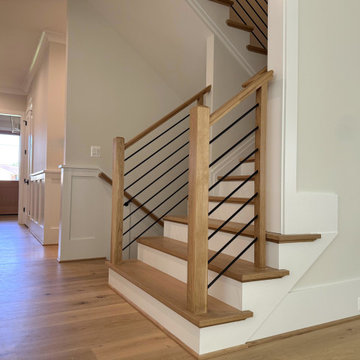
Metal and wood are often treated as opposites, but this staircase makes the case for partnership. White oak treads, chamfer-top newels, and a coordinating handrail bring the warmth and texture that only natural wood can offer. Against that, a satin black horizontal bar balustrade introduces rigid geometric precision, its clean lines and matte finish defining the oak rather than competing with it. The result is a staircase that feels both welcoming and sophisticated. Neither material overwhelms the other. Each one makes the other more defined.
1976-2026 © Century Stair Company
 Century Stair Company
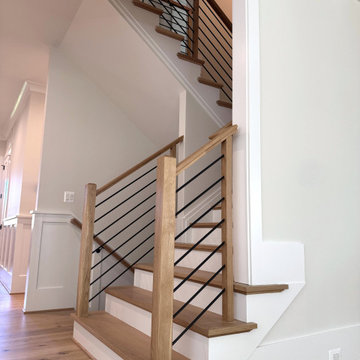
Metal and wood are often treated as opposites, but this staircase makes the case for partnership. White oak treads, chamfer-top newels, and a coordinating handrail bring the warmth and texture that only natural wood can offer. Against that, a satin black horizontal bar balustrade introduces rigid geometric precision, its clean lines and matte finish defining the oak rather than competing with it. The result is a staircase that feels both welcoming and sophisticated. Neither material overwhelms the other. Each one makes the other more defined.
1976-2026 © Century Stair Company
 Century Stair Company
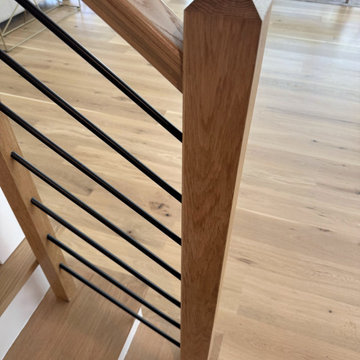
Metal and wood are often treated as opposites, but this staircase makes the case for partnership. White oak treads, chamfer-top newels, and a coordinating handrail bring the warmth and texture that only natural wood can offer. Against that, a satin black horizontal bar balustrade introduces rigid geometric precision, its clean lines and matte finish defining the oak rather than competing with it. The result is a staircase that feels both welcoming and sophisticated. Neither material overwhelms the other. Each one makes the other more defined.
1976-2026 © Century Stair Company
 Century Stair Company
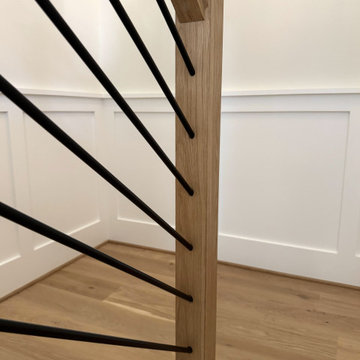
Metal and wood are often treated as opposites, but this staircase makes the case for partnership. White oak treads, chamfer-top newels, and a coordinating handrail bring the warmth and texture that only natural wood can offer. Against that, a satin black horizontal bar balustrade introduces rigid geometric precision, its clean lines and matte finish defining the oak rather than competing with it. The result is a staircase that feels both welcoming and sophisticated. Neither material overwhelms the other. Each one makes the other more defined.
1976-2026 © Century Stair Company
 Century Stair Company
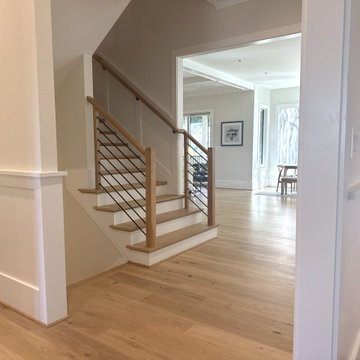
Metal and wood are often treated as opposites, but this staircase makes the case for partnership. White oak treads, chamfer-top newels, and a coordinating handrail bring the warmth and texture that only natural wood can offer. Against that, a satin black horizontal bar balustrade introduces rigid geometric precision, its clean lines and matte finish defining the oak rather than competing with it. The result is a staircase that feels both welcoming and sophisticated. Neither material overwhelms the other. Each one makes the other more defined.
1976-2026 © Century Stair Company
 Century Stair Company
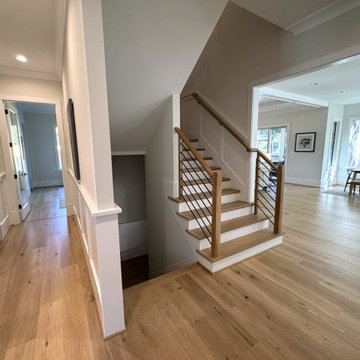
Metal and wood are often treated as opposites, but this staircase makes the case for partnership. White oak treads, chamfer-top newels, and a coordinating handrail bring the warmth and texture that only natural wood can offer. Against that, a satin black horizontal bar balustrade introduces rigid geometric precision, its clean lines and matte finish defining the oak rather than competing with it. The result is a staircase that feels both welcoming and sophisticated. Neither material overwhelms the other. Each one makes the other more defined.
1976-2026 © Century Stair Company
 Century Stair Company
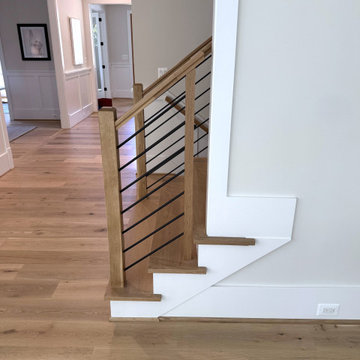
Metal and wood are often treated as opposites, but this staircase makes the case for partnership. White oak treads, chamfer-top newels, and a coordinating handrail bring the warmth and texture that only natural wood can offer. Against that, a satin black horizontal bar balustrade introduces rigid geometric precision, its clean lines and matte finish defining the oak rather than competing with it. The result is a staircase that feels both welcoming and sophisticated. Neither material overwhelms the other. Each one makes the other more defined.
1976-2026 © Century Stair Company
 Century Stair Company
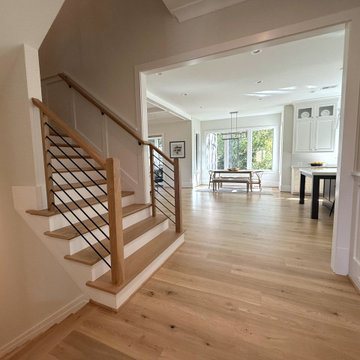
Metal and wood are often treated as opposites, but this staircase makes the case for partnership. White oak treads, chamfer-top newels, and a coordinating handrail bring the warmth and texture that only natural wood can offer. Against that, a satin black horizontal bar balustrade introduces rigid geometric precision, its clean lines and matte finish defining the oak rather than competing with it. The result is a staircase that feels both welcoming and sophisticated. Neither material overwhelms the other. Each one makes the other more defined.
1976-2026 © Century Stair Company
 Century Stair Company
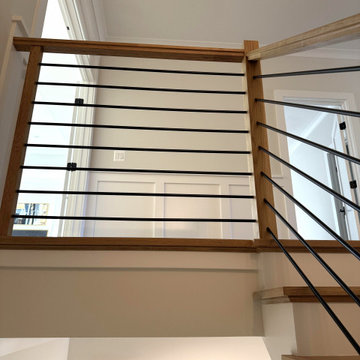
Metal and wood are often treated as opposites, but this staircase makes the case for partnership. White oak treads, chamfer-top newels, and a coordinating handrail bring the warmth and texture that only natural wood can offer. Against that, a satin black horizontal bar balustrade introduces rigid geometric precision, its clean lines and matte finish defining the oak rather than competing with it. The result is a staircase that feels both welcoming and sophisticated. Neither material overwhelms the other. Each one makes the other more defined.
1976-2026 © Century Stair Company
17