
Search results for "Involving multiple" in Home Design Ideas
 RWH Architect PLLC
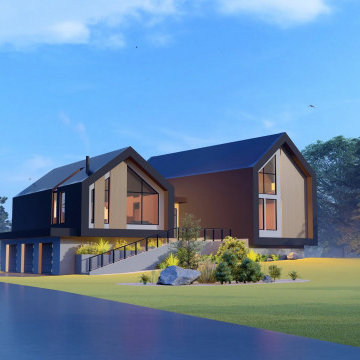
Set within a serene natural landscape and abutting the scenic Campbell's Scottish Highlands Golf Course, this striking custom modern home by RWH Architect blends contemporary architecture, functional living, and site-sensitive design into a residence that feels both dramatic and welcoming. Inspired by Scandinavian architectural principles and modern New England design, the home was carefully crafted to balance bold geometric forms with warm natural materials, creating a timeless luxury residence deeply connected to its surroundings. Expansive views overlooking the rolling fairways and natural landscape of the golf course further reinforce the home’s strong relationship to the site.
One of the primary design challenges of the project was fitting the home between two existing houses while maintaining a high level of privacy for both interior and exterior living spaces, while also maximizing expansive views of the course. Rather than allowing the surrounding structures to limit the design, RWH Architect carefully positioned and shaped the residence to create a sense of separation, openness, and visual connection where appropriate. Through thoughtful massing and strategic orientation, the home is able to open toward the golf course while shielding key living areas from neighboring properties, resulting in a balance of privacy, light, and uninterrupted views.
The architectural composition is defined by two soaring gabled structures connected through a recessed central entry, establishing a bold visual identity while maintaining clean, minimalist lines. A significant challenge in the design process was balancing the large-scale modern forms with a sense of warmth and livability. Through the use of natural wood accents, expansive glazing, and carefully proportioned massing, the home achieves a refined balance between contemporary minimalism and inviting residential comfort. Dark exterior cladding contrasts beautifully against warm materials and the surrounding landscape, allowing the structure to feel sophisticated without appearing cold or overpowering.
Another critical design challenge involved maximizing natural light while preserving energy efficiency and maintaining privacy throughout the home. RWH Architect carefully oriented the structure and strategically positioned the expansive floor-to-ceiling windows to capture sweeping golf course and landscape views while maintaining the comfort and privacy of the interior spaces. The result is a home filled with natural light that maintains a strong connection to the outdoors while still providing private, comfortable living environments.
Inside, the thoughtfully designed floor plan prioritizes openness, comfort, and flexibility for modern living. The residence was intentionally organized into two distinct architectural zones: a private wing dedicated to the bedrooms and personal retreats, and a public living wing centered around the kitchen, dining, and gathering spaces. This separation creates a natural balance between entertaining and privacy, allowing the home to function seamlessly for both intimate daily living and larger social gatherings.
The main living level centers around an expansive open-concept kitchen, dining area, and great room designed to function as the social heart of the home. One challenge within the interior layout was creating a highly open floor plan while still maintaining distinct functional zones and practical circulation. Through careful spatial planning, ceiling volume transitions, and strategic room positioning, the design creates separation without sacrificing openness. Large windows and direct access to the rear outdoor living spaces further reinforce the seamless indoor-outdoor connection, allowing the living spaces to fully embrace the surrounding views of the course and the natural landscape beyond.
Rather than existing on a single flat plane, the residence was thoughtfully designed across multiple levels that respond directly to the site’s natural topography. As occupants move through the home, subtle level changes and transitional stair sequences create a dynamic spatial experience that guides movement between the public and private zones of the residence. This layered circulation approach enhances the architectural character of the interior while creating moments of progression, discovery, and connection between spaces. The result is a home that feels immersive and expansive, where movement throughout the residence becomes part of the overall architectural experience itself.
The first floor also incorporates flexible private accommodations, including a guest suite with ensuite bathroom and additional secondary bedrooms positioned to create privacy away from the primary gathering spaces. This approach allows the residence to comfortably support multigenerational living, guests, and evolving family needs over time.
On the upper level, the luxurious primary suite serves as a private sanctuary complete with dual walk-in closets, a spacious spa-inspired bathroom, and access to a private balcony overlooking the property and adjacent golf course. Dedicated office spaces were intentionally integrated into the design to address the growing demand for functional remote work environments without compromising the home’s residential character. A centrally located laundry room further improves day-to-day convenience and efficiency. Vaulted ceilings, oversized glazing, and carefully framed sightlines enhance the sense of openness and light throughout the upper level.
Throughout the home, minimalist detailing and carefully selected materials reinforce the project’s modern architectural identity while preserving warmth and livability. The interplay of sharp rooflines, expansive glass, natural textures, and integrated landscaping creates a residence that feels sculptural from every angle while remaining exceptionally functional for everyday life.
This custom luxury residence exemplifies RWH Architect’s expertise in contemporary residential architecture, innovative problem solving, and personalized home design. By transforming complex site conditions and modern living demands into opportunities for architectural creativity, the project delivers a sophisticated home that is visually striking, highly functional, and thoughtfully connected to its environment for generations to come.



 John
Coco coir is a versatile and sustainable growing medium that is gaining popularity among gardeners. Made from the fibrous husk of coconuts, it’s an eco-friendly alternative to peat moss and can greatly enhance the quality of your soil. In gardening, it is often utilized in systems like Coco Coir Hydroponic, where it helps create an efficient water and nutrient delivery system.
What is Coco Coir?
Coco coir is a natural fiber extracted from coconut husks. It has a neutral pH, excellent water retention, and is reusable, making it a favorite among gardeners who prefer organic and sustainable practices. It is available in different forms such as blocks, bricks, or loose coir, each requiring some preparation before use in gardening.
Benefits of Using Coco Coir in Gardening
Coco coir offers several advantages for gardening. Here are the benefits of using coco coir in gardening:
Holds up to 10 times its weight in water, ensuring plants have consistent moisture.
Promotes oxygen flow to plant roots, leading to healthier root systems.
Coco coir is a renewable and eco-friendly alternative to peat moss.
It can be washed, rehydrated, and reused, reducing waste.
Naturally pH neutral, making it suitable for various plants without major adjustments.
Enhances the texture and moisture retention of garden soil.
How to Prepare Coco Coir for Planting
Preparing coco coir for planting involves a few essential steps. First, you need to hydrate the coir block, as it typically comes in a compressed form. Place the block in a large container and add warm water, allowing the block to expand and absorb the water. Once fully expanded, the coir should be fluffed up by breaking it apart with your hands or a tool to ensure it becomes loose and airy. After the coir has been fluffed, it is important to drain any excess water, as overly wet coir can lead to root suffocation. Finally, since coco coir is inert and does not contain nutrients, it’s a good idea to add organic compost or liquid fertilizer to enrich the coir before planting.
Do You Need to Soak Coco Coir Before Planting?
Yes, soaking coco coir before planting is necessary. Since it comes in a compressed form, it needs to be broken down and hydrated for proper use. The soaking process allows the coir to expand and release the fibers, making it usable as a growing medium. After soaking, the coir should be fluffed to ensure the water is evenly distributed. Draining any excess water is crucial because overly wet coir may impede plant root health.
How to Prepare Coco Peat for Planting
Coco peat, a fine, powdery form of coco coir, is highly beneficial for seed starting and improving water retention in soil. To prepare coco peat, it first needs to be hydrated, similar to how you prepare coir blocks. Slowly add water to the peat in a container and allow it to absorb and fluff up. Once hydrated, coco peat can be used on its own or mixed with other growing media such as perlite or vermiculite for added aeration and drainage. It is advisable to check the pH level of your final mix, as coco peat generally has a neutral pH, but adjustments may be necessary depending on the plants being grown.
Can You Use Just Coco Coir for Plants?
Yes, coco coir can be used by itself to grow plants, especially in hydroponic systems or as a seed-starting medium. However, because coco coir does not naturally contain nutrients, you will need to provide regular fertilizer to support plant growth. This makes it particularly suitable for plants grown in controlled environments, such as hydroponics, where nutrient solutions can be carefully managed. In traditional soil-based gardening, mixing coco coir with other organic materials like compost is recommended to provide essential nutrients and improve the overall soil structure.
How to Use Coco Coir in Hydroponics
Coco coir is widely used in hydroponic systems due to its water retention and aeration properties. To use coco coir in hydroponics, it first needs to be soaked and hydrated, as discussed earlier. Once the coir is fully prepared, it can be placed in the hydroponic system. Since coco coir does not contain natural nutrients, you will need to supply a balanced nutrient solution tailored for hydroponic plants. Regular monitoring of water and nutrient levels is essential to prevent nutrient imbalances or root rot. One of the benefits of coco coir in hydroponics is its reusability. After completing a growing cycle, the coir can be washed, rehydrated, and used again in future plantings.
Using Coco Coir as a Soil Amendment
Coco coir is also an excellent soil amendment, as it improves the texture and moisture retention of garden soil. To use coco coir in this way, mix loose coir with your existing garden soil at a ratio of one part coco coir to two parts soil. This will help retain moisture without compacting the soil, improving both water drainage and root growth. For optimal results, you can also add organic compost to the mix, ensuring that the nutrient levels are sufficient for plant growth. Coco coir works particularly well in raised beds, where it helps maintain proper soil structure over time.
Advantages of Using Coco Coir Over Peat Moss
While peat moss has been traditionally used as a growing medium, coco coir offers several advantages over it. Coco coir is a renewable resource, as it is a byproduct of coconut processing, while peat moss is harvested from peat bogs that take centuries to regenerate. Coco coir is also more durable, as it can be reused multiple times without breaking down, while peat moss disintegrates after a single use. Another key benefit is its neutral pH, whereas peat moss is more acidic and may require balancing to meet the needs of specific plants.
Conclusion
Coco coir is a highly versatile and sustainable growing medium that benefits both novice and experienced gardeners alike. Whether you are using it for hydroponics, as a soil amendment, or as a standalone medium for growing plants, knowing how to properly prepare and use it is key to maximizing its benefits. By following the steps detailed above, you can improve water retention, aeration, and overall plant health in your garden, all while contributing to eco-friendly gardening practices.
Find the right local pro for your project

 The Bodily Works
Example of a mid-sized transitional enclosed carpeted and beige floor home theater design in Salt Lake City with gray walls and a wall-mounted tv


 Betty Wasserman Art & Interiors
Modern luxury meets warm farmhouse in this Southampton home! Scandinavian inspired furnishings and light fixtures create a clean and tailored look, while the natural materials found in accent walls, casegoods, the staircase, and home decor hone in on a homey feel. An open-concept interior that proves less can be more is how we’d explain this interior. By accentuating the “negative space,” we’ve allowed the carefully chosen furnishings and artwork to steal the show, while the crisp whites and abundance of natural light create a rejuvenated and refreshed interior.
This sprawling 5,000 square foot home includes a salon, ballet room, two media rooms, a conference room, multifunctional study, and, lastly, a guest house (which is a mini version of the main house).

 Amantea Architects
Tom Arban Photography
Inspiration for a large modern backyard stone and custom-shaped indoor pool remodel in Toronto
Inspiration for a large modern backyard stone and custom-shaped indoor pool remodel in Toronto



 FINNE Architects
The master bath features stunning views of Puget Sound.
The glass walls between the bath and hall have a hand-drawn etched glass pattern.
Photo: Benjamin Benschneider

 T.A. French - Custom Builder
Example of a mid-sized transitional dark wood floor and brown floor double front door design in Austin with gray walls and a black front door

 Charlen's Abstracts
This 30" x 24" abstract acrylic painting has been done in shades of cobalt blue, sky blue, citrine, chartreuse, white, soft sea green, and royal blue. Finished in gloss varnish to protect the piece from dust and UV light for years to come. Can be hung vertically or horizontally. Gorgeous vivid rich colors in a great contemporary style.

 Stephen Cox-Cox Landscape & Garden Design
We went for lots of texture and foliage color in this small space. Ferns hold the composition together while the Persian Ivy, Rhododendron, Hosta and Heuchera provide color and leaf variation. This planting is partially under a deck.

 Keuka Studios, Inc
Floating staircase with steel mono-stringer and white oak treads as seen from below. The wood top rail seamlessly flows up the multi level staircase.
Stairs and railings by Keuka Studios
Photography by Dave Noonan

 SS
Top Real Estate App Development Companies Delivering Smart PropTech Solutions
The real estate industry is experiencing a revolution in technology as there have been developments in the form of mobile applications, which have now become essential tools and prove to be an integral part for buyers and sellers as well as agents and developers in this industry. The application of technology in the form of virtual tours and property recommendations through artificial intelligence and other such technology has brought about a new way of doing real estate business. It has been found out through statistics that the PropTech industry will experience considerable growth in the next decade due to the increased use of smartphones, cloud computing, and artificial intelligence.
Why Real Estate Apps Are Transforming the PropTech Industry
The introduction of digital platforms has revolutionized the way people search for, assess, and buy properties. Modern real estate software ensures easy access to property listings, neighborhood information, mortgage calculators, virtual tours, and direct contact with real estate agents, thus cutting out many of the obstacles that were part of the purchasing process. Real Estate App Development allows companies to manage properties efficiently, automatically generate leads, effectively handle customers, and make informed decisions. The inclusion of artificial intelligence and digital transactions makes the experience of using these apps even more efficient.
List of Top Real Estate App Development Companies in the Global Market
1. Suffescom Solutions
Suffescom Solutions is a mobile app development company specializing in Real Estate App Development for startups, real estate agencies, property management firms, and enterprises. The company develops scalable, feature-rich applications that simplify property discovery, virtual tours, lead management, and secure digital transactions. By integrating advanced technologies such as AI, AR/VR, cloud computing, and location intelligence, Suffescom Solutions helps businesses build intuitive PropTech platforms that enhance customer engagement and operational efficiency. The company also focuses on customization, security, and post-launch support to ensure long-term business success.
Key Features
Custom real estate application development
AI-powered property recommendations
Property listing management
Interactive map integration
Virtual property tours
CRM integration
Secure payment gateway
Multi-platform development
Cloud-native architecture
Maintenance and support
2. RisingMax
RisingMax develops innovative digital solutions for businesses seeking advanced PropTech platforms. Its expertise in Real Estate App Development enables companies to launch scalable property applications equipped with intelligent search capabilities, real-time property updates, and secure communication tools. RisingMax combines modern UI/UX practices with cloud technologies to deliver applications that improve customer engagement and simplify property management.
Key Features
Cross-platform app development
AI-enabled property search
Property management dashboard
Cloud deployment
Push notifications
Digital payment integration
Analytics and reporting
API integration
Secure authentication
Ongoing technical support
3. Ascendix Technologies
Ascendix Technologies is known for developing enterprise-grade PropTech software for commercial and residential real estate businesses. The company focuses on building customized applications that streamline property management, brokerage operations, customer engagement, and business workflows. Its expertise includes CRM development, cloud solutions, and data analytics, enabling businesses to manage property portfolios more efficiently.
Key Features
Enterprise real estate solutions
CRM integration
Commercial property management
Cloud infrastructure
Advanced analytics
Workflow automation
Custom software development
Secure data management
API connectivity
Long-term support
4. WillowTree
WillowTree develops premium mobile applications across various industries, including real estate and digital commerce. The company creates user-centric property applications that emphasize intuitive navigation, personalized property recommendations, and engaging digital experiences. Its development approach combines robust engineering with modern design principles to build scalable PropTech platforms for growing businesses.
Key Features
Mobile-first development
Personalized user experience
Property search optimization
Cloud-native architecture
Interactive UI/UX
Analytics integration
Secure user authentication
Multi-device compatibility
Third-party integrations
Continuous optimization
5. Unico Connect
Unico Connect specializes in delivering customized digital products for startups and enterprises, including Real Estate App Development solutions. The company builds scalable applications that simplify property listings, communication, lead management, and customer engagement while integrating cloud technologies for improved business performance.
Key Features
Custom property applications
Cloud-based infrastructure
Real-time messaging
Lead management system
Property listing platform
API integration
Digital documentation
Performance analytics
Secure payment integration
Ongoing maintenance
6. Trango Tech
Trango Tech develops intelligent mobile solutions that help real estate businesses digitize property management and customer interactions. Its applications support advanced search functionality, location-based services, secure transactions, and AI-powered recommendations. The company focuses on scalable software architecture that supports long-term business growth and operational efficiency.
Key Features
Property marketplace development
AI-powered recommendations
Interactive map integration
GPS-enabled search
Digital document management
User analytics
Cross-platform applications
Secure backend systems
CRM connectivity
Cloud deployment
7. MindInventory
MindInventory is a software development company delivering digital transformation solutions across multiple industries, including real estate. Its Real Estate App Development services include modern property applications that combine intuitive interfaces with advanced technologies such as AI, IoT, and cloud computing. The company focuses on creating engaging user experiences while ensuring scalability, security, and seamless business operations.
Key Features
AI-enabled property applications
Cloud-native development
Property management tools
Interactive dashboards
IoT integration
User engagement features
Third-party API integration
Business intelligence reporting
Secure infrastructure
Continuous technical support
Essential Features Every Modern Real Estate App Should Include
Successful Real Estate App Development requires more than attractive property listings. Modern applications must provide seamless experiences for buyers, sellers, agents, and property managers while simplifying transactions and communication.
• User Registration and Profile Management
Allow buyers, sellers, agents, and administrators to create personalized accounts with secure authentication and profile customization.
• Advanced Property Search
Provide powerful filters based on location, property type, price range, amenities, size, and availability to improve property discovery.
• Interactive Maps
Integrate GPS-enabled maps that display nearby schools, hospitals, transportation hubs, restaurants, and neighborhood information.
• High-Quality Property Listings
Support multiple images, HD videos, floor plans, property specifications, and detailed descriptions for each listing.
• Virtual Tours
Enable immersive 360-degree property walkthroughs using AR/VR technology to improve buyer confidence before physical visits.
• AI-Powered Property Recommendations
Use artificial intelligence to recommend properties based on user preferences, browsing behavior, and previous searches.
• Real-Time Chat and Messaging
Facilitate instant communication between buyers, sellers, and agents for faster inquiry resolution.
• Mortgage Calculator
Help users estimate monthly payments, loan eligibility, and financing options directly within the application.
• Appointment Scheduling
Allow users to schedule property visits, virtual meetings, or consultations with agents through integrated calendars.
• Secure Digital Payments
Support booking fees, deposits, subscription payments, and service charges through encrypted payment gateways.
• Document Management
Store contracts, agreements, ownership documents, inspection reports, and legal paperwork securely within the application.
• Push Notifications
Notify users about new listings, price changes, scheduled visits, document approvals, and promotional offers.
• Admin Dashboard
Provide centralized control over users, listings, transactions, content moderation, analytics, and platform management.
• Analytics and Reporting
Offer detailed insights into customer behavior, listing performance, lead generation, conversions, and revenue growth.
• Strong Security
Implement encrypted communications, secure authentication, role-based access control, data privacy measures, and regulatory compliance.
Emerging Trends Shaping the Future of Real Estate App Development
The future of Real Estate App Development is being driven by intelligent technologies that improve decision-making, customer experiences, and operational efficiency throughout the property lifecycle.
Artificial intelligence is transforming property discovery by delivering personalized recommendations, predictive pricing models, and automated customer support. Machine learning algorithms analyze user preferences and market trends to recommend relevant properties while helping businesses generate qualified leads more effectively.
Augmented reality (AR) and virtual reality (VR) are becoming essential components of digital property experiences. Virtual property tours allow buyers to explore homes remotely, reducing travel time and accelerating purchasing decisions.
Another significant trend is IoT integration within smart properties. Connected devices enable users to monitor energy consumption, security systems, lighting, and climate control directly through mobile applications, enhancing property value and user convenience.
Finally, sustainability is becoming an important focus. Modern real estate platforms increasingly highlight green-certified buildings, energy-efficient homes, and environmentally friendly construction projects to meet changing buyer preferences.
Conclusion
The rapid evolution of the PropTech sector has made Real Estate App Development an essential investment for businesses aiming to deliver seamless, technology-driven property experiences. From AI-powered property recommendations and immersive virtual tours to secure digital transactions and cloud-based management systems, modern applications are transforming every stage of the real estate journey. Selecting an experienced development company with expertise in emerging technologies, scalable architecture, and user-centric design is crucial for building a competitive digital platform. As customer expectations continue to evolve, organizations that invest in innovative real estate applications will be better positioned to improve operational efficiency, strengthen customer relationships, and achieve long-term growth in the digital property marketplace.
FAQs
1. What is Real Estate App Development?
Real Estate App Development involves building mobile or web applications that help users buy, sell, rent, and manage properties through digital platforms.
2. How much does Real Estate App Development cost?
Development costs vary based on features, platforms, integrations, UI/UX complexity, and technology requirements, ranging from basic to enterprise-grade solutions.
3. Which features are essential in a real estate app?
Core features include property listings, advanced search, virtual tours, GPS maps, messaging, appointment scheduling, payment integration, and analytics dashboards.
4. Why should businesses invest in Real Estate App Development?
It enhances customer engagement, streamlines property management, increases lead generation, supports digital transactions, and helps businesses stay competitive in the evolving PropTech market.



 Custom Surface Solutions
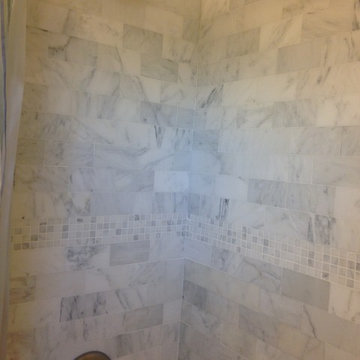
 (www.css-tile.com) - Owner Craig Thompson (512) 430-1215. This project shows the remodel of a small 1950's vintage home master bathroom. 8"" x 18" Calcutta gold marble tile was used on the shower walls and floor wall base and ceramic gray penny tile on the floor. Shower includes curbless pan / floor, dual shower boxes, frameless glass slider, trough duel fixture sink and chrome fixtures.

 threshold interiors
Location: New York, NY, United States
This Loft was tastefully renovated back in the '90s, but was due for an update and an expansion of the kitchen and dining areas to accommodate the client's cooking skills and entertaining needs. EnlargIing the island and adding cabinetry to delineate the office, bar and dining areas was a priority. The bathroom was updated to feel like a tranquil spa with beautiful new tile, plumbing fixtures and cabinets. Our biggest challenge was coordinating the entire renovation while our client was out of town for the Summer!
Photographed by: James Salomon

 TreHus Architects+Interior Designers+Builders
Example of a large classic u-shaped dark wood floor eat-in kitchen design in Minneapolis with a double-bowl sink, recessed-panel cabinets, white cabinets, white backsplash, stainless steel appliances, an island and black countertops

Sponsored
Columbus, OH

Snider & Metcalf Interior Design, LTD
Leading Interior Designers in Columbus, Ohio & Ponte Vedra, Florida
 User
DECO Window Fashions
Sheer pleated custom made drapes, ceiling mount metal rod.
Trendy bedroom photo in Austin
Trendy bedroom photo in Austin

 LM // PM Productions, LLC
Large trendy gender-neutral light wood floor and beige floor playroom photo in New York with gray walls


30