
Search results for "Reduce prevent" in Home Design Ideas

 safe ZOnea
Maintaining a pest-free home requires attention throughout the year. Seasonal changes affect pest behavior, and understanding these patterns can save homeowners from costly damage and health hazards. In this guide, we will explore practical strategies for spring pest prevention tips, ensuring your property stays protected through every season. From spotting early signs to implementing proactive measures, these steps empower homeowners to take control before infestations occur.
Understanding Seasonal Pest Patterns
Pests adapt to changing weather, and knowing their patterns helps prevent infestations effectively.
Spring: Awakening Pests
Spring signals the end of winter dormancy for many pests. Rodents, ants, and termites start seeking food and warmth. Effective spring pest prevention tips include:
● Cleaning gutters and removing debris
● Sealing cracks and gaps in exterior walls
● Inspecting wood piles and compost areas
● Monitoring early signs of termite activity
Pro Tip: Conduct a termite inspection or a professional evaluation to catch infestations early before they spread.
Summer: Peak Pest Season
Warm temperatures accelerate pest breeding cycles. For a comprehensive summer pest prevention guide:
● Maintain lawns and trim vegetation away from homes
● Check window and door screens for tears
● Store food in sealed containers
● Inspect water sources that attract mosquitoes
Do You Know? Mosquitoes can lay eggs in a teaspoon of water. Eliminating stagnant water is crucial to reducing their population.
Fall: Preparing for Winter
As temperatures drop, pests search for warm indoor spaces. Key actions include:
● Inspecting for winter rodent entry points
● Sealing attic vents, crawl spaces, and foundation gaps
● Cleaning storage areas to minimize hiding spots
● Checking chimney and fireplace openings
Quick Fact: Rodents can enter homes through openings as small as ¼ inch.
Seasonal Pest Checklist for Homeowners
Creating a structured seasonal pest checklist simplifies preventive measures and ensures nothing is overlooked.
Season
Key Actions
Spring
Inspect for termites, seal exterior gaps, clean gutters, and check compost
Summer
Repair screens, trim vegetation, remove standing water, and secure food
Fall
Seal entry points, inspect attic/crawlspace, clear debris, and prepare storage
Winter
Monitor indoor activity, keep firewood away from walls, and maintain traps
Inspection & Maintenance Tips
● Schedule annual pest inspections by professional Virginia pest control consultation to detect hidden problems
● Keep a log of pest sightings and treatment dates
● Regularly replace weather stripping and caulk cracks
Note: Even small preventive steps, when consistently applied, drastically reduce infestations.
Common Pests and Their Seasonal Behaviors
Understanding how different pests behave each season helps homeowners take timely action to protect their property.
● Ants and Termites: Ants emerge in spring seeking food, while termites become active and can damage wood unnoticed. Early detection is critical.
● Rodents and Mice: Fall and winter increase rodent intrusions. Block all entry points and keep food sealed.
● Mosquitoes and Flies: Summer creates the ideal breeding environment for mosquitoes. Eliminate standing water and use physical barriers like nets.
● Spiders and Other Insects: Seasonal shifts cause spiders to move indoors. Regular vacuuming and decluttering reduce hiding spots.
Eco-Friendly Prevention Methods
● Use natural repellents like peppermint oil or diatomaceous earth
● Encourage beneficial insects, such as ladybugs, to reduce pest populations
● Plant pest-deterring plants near home boundaries, like marigolds or lavender
Integrated Pest Management (IPM)
Adopt an IPM approach by combining physical barriers, monitoring, and environmentally safe treatments. This minimizes chemical use while maintaining a pest-free home.
Quote: “Prevention is the most effective form of pest control.” – National Pest Management Association
Seasonal Pest Prevention Tools
● Snap traps and humane rodent traps
● Sticky traps for insects
● Outdoor perimeter sprays (eco-friendly)
● Moisture meters to detect early termite or mold problems
Pro Tip: Keep tools organized and accessible to act quickly when pest activity is noticed.
Planning: Annual Pest Calendar
Month
Recommended Action
March-April
Spring pest prevention tips: Inspect, seal, clean gutters
June-July
Summer pest prevention guide: Screens, standing water, food storage
September
Seasonal pest checklist: Seal entries, declutter, prep storage
November
Winter rodent entry points: Monitor indoors, maintain traps
Key Takeaways
● Seasonal awareness prevents infestations and property damage
● Consistent inspections and maintenance are essential
● Simple eco-friendly measures can significantly reduce pests
● Use a structured checklist and calendar for effective prevention
Conclusion
Homeowners who stay proactive and follow spring pest prevention tips, along with year-round monitoring, ensure their properties remain safe and comfortable. Using a summer pest prevention guide, checking winter rodent entry points, and maintaining a seasonal pest checklist ensure your home remains safe and comfortable. Remember to combine inspections, physical barriers, and environmentally friendly methods for the best results.
FAQs
Q1: How often should I perform a termite inspection?
A1: Conduct inspections annually, especially in spring, to detect early signs of termite activity and prevent extensive damage.
Q2: Can pests enter my home during winter?
A2: Yes, rodents and insects seek warmth and shelter indoors. Sealing entry points and monitoring for activity is crucial.
Q3: What is the most effective eco-friendly method for pest prevention?
A3: Using natural repellents, encouraging beneficial insects, and eliminating water sources effectively reduces pest populations without chemicals.
Ensure your home is ready for every season. Schedule a professional Virginia pest control consultation or a termite inspection in Suffolk, VA, today and stay ahead of potential infestations.

 WindowTintLA.com
Huper Optik’s Fusion Films deliver privacy, comfort and energy efficiency year round: reducing high energy bills, preventing temperature variances and hot spots, and rejecting infrared and ultraviolet light rays. Huper Optik Fusion is a dye free mirror reflective privacy film, that provides a natural view out but still has privacy in.
 Webber + Studio, Architects
ArcherShot Photography
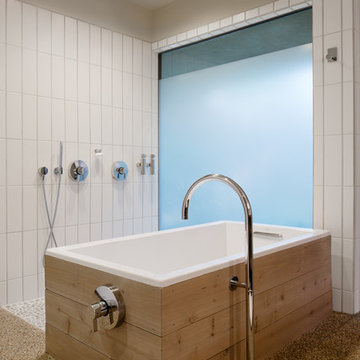
Example of a 1960s white tile pebble tile floor freestanding bathtub design in Austin with beige walls
Example of a 1960s white tile pebble tile floor freestanding bathtub design in Austin with beige walls
Find the right local pro for your project

 Bat City Builders, LLC
This deck was custom-built with a very interesting roof, which is made of see-through material called SkyPoly. The material prevents rain, and UV from coming through and also reduces heat. The Skypoly-covered pergola still allows some light to pass through.





 Exclusive Iron Doors LLC
Heavy duty 14 gauge steel
Filled up with polyurethane for energy saving
Double pane glass, tempered and sealed to avoid conditioning leaks
Included weatherstrippings to reduce air infiltration
Operable glass panels that can be opened independently from the doors
Thresholds made to prevent water infiltration
Barrel hinges which are perfect for heavy use and can be greased for a better use
 Precision Waterproofing & Foundation Repair
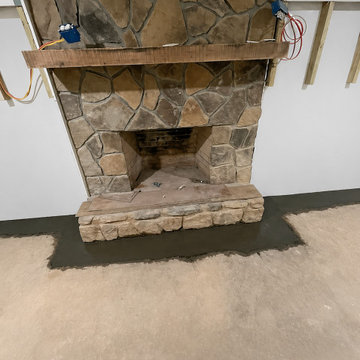
An interior basement drainage system is designed to collect and redirect groundwater before it enters your basement. We install a perforated drain along the interior footing that channels water to a sump pump for safe discharge away from your home. This system helps keep your basement dry, prevents water damage, reduces moisture and mold concerns, and protects your home's foundation.
 ShadeFX
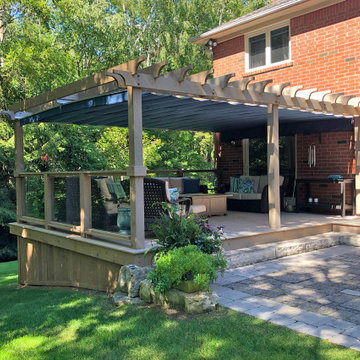
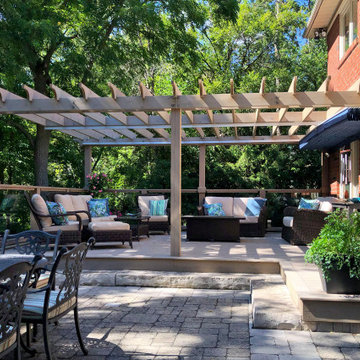
ShadeFX fabricated a 20’ x 14’ retractable canopy with Sunbrella Sapphire fabric to mount onto an existing structure. The canopy drop was reduced to prevent the retracted stack from blocking visibility out the sliding doors.
 ShadeFX
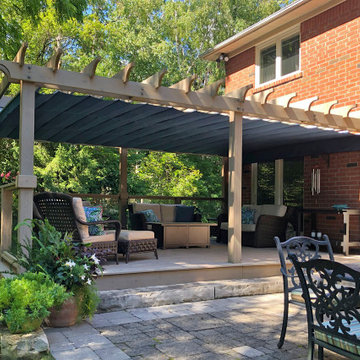
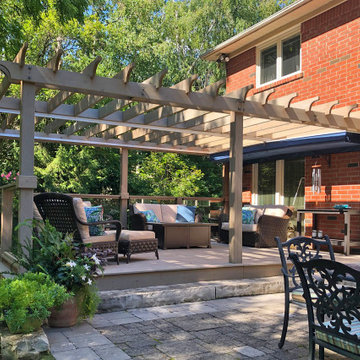
ShadeFX fabricated a 20’ x 14’ retractable canopy with Sunbrella Sapphire fabric to mount onto an existing structure. The canopy drop was reduced to prevent the retracted stack from blocking visibility out the sliding doors.

 Sisson Landscapes
An infiltration basin gets all dressed up!
This is an example of a transitional landscaping in DC Metro.
This is an example of a transitional landscaping in DC Metro.
 ShadeFX
ShadeFX fabricated a 20’ x 14’ retractable canopy with Sunbrella Sapphire fabric to mount onto an existing structure. The canopy drop was reduced to prevent the retracted stack from blocking visibility out the sliding doors.
 ShadeFX
ShadeFX fabricated a 20’ x 14’ retractable canopy with Sunbrella Sapphire fabric to mount onto an existing structure. The canopy drop was reduced to prevent the retracted stack from blocking visibility out the sliding doors.
 ShadeFX
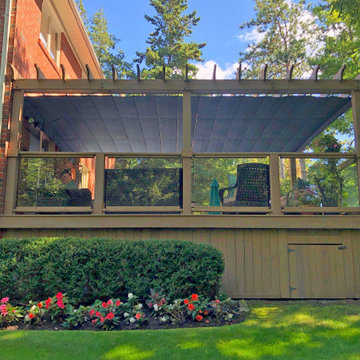
ShadeFX fabricated a 20’ x 14’ retractable canopy with Sunbrella Sapphire fabric to mount onto an existing structure. The canopy drop was reduced to prevent the retracted stack from blocking visibility out the sliding doors.
 PB Kitchen Design
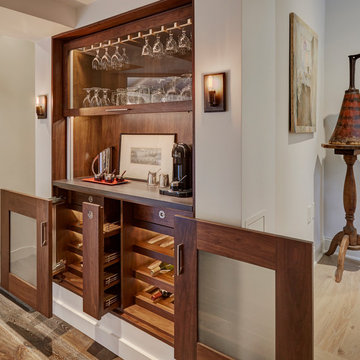
Bar in Walnut by QCCI, New Holland, PA
Transitional single-wall medium tone wood floor and brown floor home bar photo in Chicago with glass-front cabinets, medium tone wood cabinets, brown backsplash, wood backsplash and gray countertops
Transitional single-wall medium tone wood floor and brown floor home bar photo in Chicago with glass-front cabinets, medium tone wood cabinets, brown backsplash, wood backsplash and gray countertops

 Squared Away
Good silver should be stored in a dark, dry environment. We designed this closet keeping that in mind. Silver cloth was installed to help reduce tarnishing.
Photo by Karen Sachar and Co.

 Oliver Custom Homes
Inspiration for a mid-sized drought-tolerant and full sun front yard stone garden path in Austin for summer.


 ShadeFX
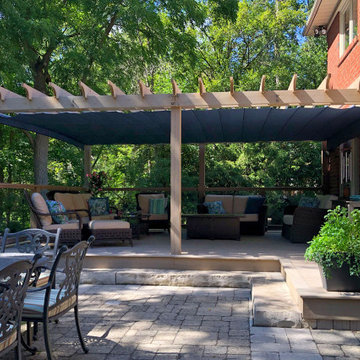
ShadeFX fabricated a 20’ x 14’ retractable canopy with Sunbrella Sapphire fabric to mount onto an existing structure. The canopy drop was reduced to prevent the retracted stack from blocking visibility out the sliding doors.
 ShadeFX
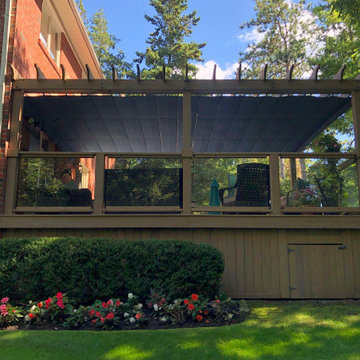
ShadeFX fabricated a 20’ x 14’ retractable canopy with Sunbrella Sapphire fabric to mount onto an existing structure. The canopy drop was reduced to prevent the retracted stack from blocking visibility out the sliding doors.
3