
Search results for "Reduce verifiable" in Home Design Ideas

 Paradise Found Construction
The homes in Heritage Hills in Chapel Hill, NC are representative of the popularity and explosive growth of American Home Ownership that occurred during the economic expansion that followed the end of WW II. They were designed and built to foster the benefits and sense of “community”, where families could come together and share theirs and their children’s lives. They are typically in very desirable locations within their larger communities, and remodeling them with modern amenities, increasing the performance and efficiency of them, and having them Green Certified (independent third-party verified) makes them extremely attractive to buyers, and helps to raise other property values within the neighborhood.
Green Certified Remodeled Homes offer significant value and advantage in the marketplace over similar homes in their area, which is especially important as a new, younger era of home buyers enter the market. Current trends suggest that younger (as well as many “seasoned”) homeowners are interested in smaller, more efficient (and thus affordable) homes situated closer to shopping, their work, entertainment opportunities, and access to the economic and environmental benefits of mass transit.
These older homes also offer an additional value that is continuing to gain visibility and appreciation in the market place. They were built from lumber from slower-growth trees (denser and harder wood), and as such offer superior structural support compared to the same home built using lumber from today’s faster-growing (softer and less-dense wood) trees.
Robin and Kent had lived in their 2-story Gambrel Roof home in Heritage Hills since 1994. The house was structurally sound, due in large part to the old-growth (and denser) yellow pine that was used in its framing. They loved the quiet neighborhood, its sense of community and amenities, and their home. It suited their life-style and needs; and they had decided that they would remain in the home. It was showing its age, and was in need of general repairs and maintenance, and its energy, water, and indoor air quality performance was continuing to increase their ongoing cost of ownership.
Robin loved the screen porch that looked out on their private and nicely landscaped back yard, but she wanted to be able to use it in the colder months of the year. She was unsatisfied with the kitchen and the mud room / laundry room, and the darkness of other living spaces. A previous water leak in the laundry room had resulted in a large patch of mold that had compromised flooring, wall board, and insulation and contributed to the homes reduced indoor air quality.
The home lacked insulation in the crawl, and inadequate insulation in the attic. The single HVAC unit had been replaced a few years earlier with a more efficient unit, but with a single programmable thermostat control on the first floor and aging and un-insulated ducting, the second floor was often over-heated in the summer months.
The original wood windows had begun to deteriorate and were drafty and inefficient, and the original wood-burning fireplace was an open conduit for escaping conditioned air as well as an inlet for wood-smoke smelling air being pulled into the home. The siding had been replaced a few years earlier with a cement-fiber product, but the exterior wood trim was compromised and beginning to look unsightly. Its original architecture had been altered over the years in ways that presented ongoing maintenance and durability issues, as well as disrupting the elegance of the original design.
Kent has worked for over 30 years in the Environmental Sciences field, and is considered to be a national expert in understanding the sources of, and human exposure to pollutants in indoor environments. He had always been very conscious and cautious about the effects on indoor air quality that the construction, furnishings, and products used in home had on him and his family.
Project Goals
Increase the performance of their home by improving energy efficiency by at least 40% and lowering their natural gas and electric utility costs.
Increase the performance of their home by reducing water usage by at least 40% and lowering the water utility costs.
Increase the comfort of their home that was being compromised by an inadequate HVAC design, inadequate insulation, inefficient and compromised wood windows, and copious air intrusions and drafts.
Improve the healthiness of the homes indoor air quality that was being compromised by an open wood-burning fireplace, and prior water intrusion that had allowed colonies of mold to thrive.
Create a new Kitchen, Family Room, Home Office, Mudroom, and Laundry Room that featured some of the latest designs and trends and harmonized with the rest of the homes charm.
Increase the usefulness and aesthetics of the screened porch by creating a warm and inviting semi-conditioned 3-Season Room that extended the times during the year that it was comfortable.
Introduce day-lighting into areas of the home that were dark and uninviting.
Brighten and harmonize all of the interior finishes.
Protect and restore the exterior of the home with superior-performing products and finishes.
Achieve Gold Level Green Home Certification in conformance with the ICC 700-2012 National Green Building Standards (NGBS).
 Paradise Found Construction
The homes in Heritage Hills in Chapel Hill, NC are representative of the popularity and explosive growth of American Home Ownership that occurred during the economic expansion that followed the end of WW II. They were designed and built to foster the benefits and sense of “community”, where families could come together and share theirs and their children’s lives. They are typically in very desirable locations within their larger communities, and remodeling them with modern amenities, increasing the performance and efficiency of them, and having them Green Certified (independent third-party verified) makes them extremely attractive to buyers, and helps to raise other property values within the neighborhood.
Green Certified Remodeled Homes offer significant value and advantage in the marketplace over similar homes in their area, which is especially important as a new, younger era of home buyers enter the market. Current trends suggest that younger (as well as many “seasoned”) homeowners are interested in smaller, more efficient (and thus affordable) homes situated closer to shopping, their work, entertainment opportunities, and access to the economic and environmental benefits of mass transit.
These older homes also offer an additional value that is continuing to gain visibility and appreciation in the market place. They were built from lumber from slower-growth trees (denser and harder wood), and as such offer superior structural support compared to the same home built using lumber from today’s faster-growing (softer and less-dense wood) trees.
Robin and Kent had lived in their 2-story Gambrel Roof home in Heritage Hills since 1994. The house was structurally sound, due in large part to the old-growth (and denser) yellow pine that was used in its framing. They loved the quiet neighborhood, its sense of community and amenities, and their home. It suited their life-style and needs; and they had decided that they would remain in the home. It was showing its age, and was in need of general repairs and maintenance, and its energy, water, and indoor air quality performance was continuing to increase their ongoing cost of ownership.
Robin loved the screen porch that looked out on their private and nicely landscaped back yard, but she wanted to be able to use it in the colder months of the year. She was unsatisfied with the kitchen and the mud room / laundry room, and the darkness of other living spaces. A previous water leak in the laundry room had resulted in a large patch of mold that had compromised flooring, wall board, and insulation and contributed to the homes reduced indoor air quality.
The home lacked insulation in the crawl, and inadequate insulation in the attic. The single HVAC unit had been replaced a few years earlier with a more efficient unit, but with a single programmable thermostat control on the first floor and aging and un-insulated ducting, the second floor was often over-heated in the summer months.
The original wood windows had begun to deteriorate and were drafty and inefficient, and the original wood-burning fireplace was an open conduit for escaping conditioned air as well as an inlet for wood-smoke smelling air being pulled into the home. The siding had been replaced a few years earlier with a cement-fiber product, but the exterior wood trim was compromised and beginning to look unsightly. Its original architecture had been altered over the years in ways that presented ongoing maintenance and durability issues, as well as disrupting the elegance of the original design.
Kent has worked for over 30 years in the Environmental Sciences field, and is considered to be a national expert in understanding the sources of, and human exposure to pollutants in indoor environments. He had always been very conscious and cautious about the effects on indoor air quality that the construction, furnishings, and products used in home had on him and his family.
Project Goals
Increase the performance of their home by improving energy efficiency by at least 40% and lowering their natural gas and electric utility costs.
Increase the performance of their home by reducing water usage by at least 40% and lowering the water utility costs.
Increase the comfort of their home that was being compromised by an inadequate HVAC design, inadequate insulation, inefficient and compromised wood windows, and copious air intrusions and drafts.
Improve the healthiness of the homes indoor air quality that was being compromised by an open wood-burning fireplace, and prior water intrusion that had allowed colonies of mold to thrive.
Create a new Kitchen, Family Room, Home Office, Mudroom, and Laundry Room that featured some of the latest designs and trends and harmonized with the rest of the homes charm.
Increase the usefulness and aesthetics of the screened porch by creating a warm and inviting semi-conditioned 3-Season Room that extended the times during the year that it was comfortable.
Introduce day-lighting into areas of the home that were dark and uninviting.
Brighten and harmonize all of the interior finishes.
Protect and restore the exterior of the home with superior-performing products and finishes.
Achieve Gold Level Green Home Certification in conformance with the ICC 700-2012 National Green Building Standards (NGBS).


Find the right local pro for your project
 Paradise Found Construction
The homes in Heritage Hills in Chapel Hill, NC are representative of the popularity and explosive growth of American Home Ownership that occurred during the economic expansion that followed the end of WW II. They were designed and built to foster the benefits and sense of “community”, where families could come together and share theirs and their children’s lives. They are typically in very desirable locations within their larger communities, and remodeling them with modern amenities, increasing the performance and efficiency of them, and having them Green Certified (independent third-party verified) makes them extremely attractive to buyers, and helps to raise other property values within the neighborhood.
Green Certified Remodeled Homes offer significant value and advantage in the marketplace over similar homes in their area, which is especially important as a new, younger era of home buyers enter the market. Current trends suggest that younger (as well as many “seasoned”) homeowners are interested in smaller, more efficient (and thus affordable) homes situated closer to shopping, their work, entertainment opportunities, and access to the economic and environmental benefits of mass transit.
These older homes also offer an additional value that is continuing to gain visibility and appreciation in the market place. They were built from lumber from slower-growth trees (denser and harder wood), and as such offer superior structural support compared to the same home built using lumber from today’s faster-growing (softer and less-dense wood) trees.
Robin and Kent had lived in their 2-story Gambrel Roof home in Heritage Hills since 1994. The house was structurally sound, due in large part to the old-growth (and denser) yellow pine that was used in its framing. They loved the quiet neighborhood, its sense of community and amenities, and their home. It suited their life-style and needs; and they had decided that they would remain in the home. It was showing its age, and was in need of general repairs and maintenance, and its energy, water, and indoor air quality performance was continuing to increase their ongoing cost of ownership.
Robin loved the screen porch that looked out on their private and nicely landscaped back yard, but she wanted to be able to use it in the colder months of the year. She was unsatisfied with the kitchen and the mud room / laundry room, and the darkness of other living spaces. A previous water leak in the laundry room had resulted in a large patch of mold that had compromised flooring, wall board, and insulation and contributed to the homes reduced indoor air quality.
The home lacked insulation in the crawl, and inadequate insulation in the attic. The single HVAC unit had been replaced a few years earlier with a more efficient unit, but with a single programmable thermostat control on the first floor and aging and un-insulated ducting, the second floor was often over-heated in the summer months.
The original wood windows had begun to deteriorate and were drafty and inefficient, and the original wood-burning fireplace was an open conduit for escaping conditioned air as well as an inlet for wood-smoke smelling air being pulled into the home. The siding had been replaced a few years earlier with a cement-fiber product, but the exterior wood trim was compromised and beginning to look unsightly. Its original architecture had been altered over the years in ways that presented ongoing maintenance and durability issues, as well as disrupting the elegance of the original design.
Kent has worked for over 30 years in the Environmental Sciences field, and is considered to be a national expert in understanding the sources of, and human exposure to pollutants in indoor environments. He had always been very conscious and cautious about the effects on indoor air quality that the construction, furnishings, and products used in home had on him and his family.
Project Goals
Increase the performance of their home by improving energy efficiency by at least 40% and lowering their natural gas and electric utility costs.
Increase the performance of their home by reducing water usage by at least 40% and lowering the water utility costs.
Increase the comfort of their home that was being compromised by an inadequate HVAC design, inadequate insulation, inefficient and compromised wood windows, and copious air intrusions and drafts.
Improve the healthiness of the homes indoor air quality that was being compromised by an open wood-burning fireplace, and prior water intrusion that had allowed colonies of mold to thrive.
Create a new Kitchen, Family Room, Home Office, Mudroom, and Laundry Room that featured some of the latest designs and trends and harmonized with the rest of the homes charm.
Increase the usefulness and aesthetics of the screened porch by creating a warm and inviting semi-conditioned 3-Season Room that extended the times during the year that it was comfortable.
Introduce day-lighting into areas of the home that were dark and uninviting.
Brighten and harmonize all of the interior finishes.
Protect and restore the exterior of the home with superior-performing products and finishes.
Achieve Gold Level Green Home Certification in conformance with the ICC 700-2012 National Green Building Standards (NGBS).
 highland
Free credit before you deposit a cent sounds like an easy win, until you read what is attached to it. Some offers hand over cash the moment you register, others take a few extra steps, and almost all of them come with rules that decide whether anything is actually withdrawable. We pulled apart five sites Australian players ask about most, looking past the advertised number to what each no deposit bonus casino offer really involves.
Quick Comparison Table
Casino
No Deposit Reward
Activation
SpeedAU
AUD 28 credit, tiers to $200
Automatic after verification
SpinAUD
$10 free credit
Automatic after verification
MrPokies
AUD 18 + 50 free spins
Automatic after verification
AUDPlay
$75 free chip
Automatic after verification
AUDGaming
$300 signup credit
Automatic after verification
Every offer in this comparison activates automatically once verification is complete, no promo code, no extra step, which removes one of the more common points of confusion players run into elsewhere in the market.
What Counts as a Genuine No Deposit Bonus Casino
A no deposit bonus casino credits new players with free spins or bonus funds without asking for a deposit first. That sounds simple, but the offers on the market vary a lot once you look at how they are actually delivered. Some land automatically the second registration is verified, others require a bonus code entered at the right step, and a few are tiered so the amount you receive depends on which promotion you activate.
What separates a genuinely useful no deposit bonus casino Australia offer from one that only looks good in a banner ad comes down to a handful of details rather than the headline figure. Is the wagering requirement applied to the bonus alone or to the bonus plus anything you win from it? Which games can the credit or spins actually be used on? Is there a cap on how much can eventually be withdrawn? Two offers that look identical on paper can behave completely differently once you try to cash out, so it is worth treating every promotion as a full package rather than a single number.
The five sites in this comparison were picked because each one publishes those details somewhere accessible rather than burying them behind a support ticket. That does not make every offer equally generous, a $10 credit is obviously smaller than a $300 one, but it does mean you can actually compare them on equal footing, which is not always true across the wider market.
Full Reviews of Each No Deposit Bonus Casino
SpeedAU
SpeedAU does not lead with a single number. New players are credited AUD 28 automatically once their account is verified, and separately, the site runs tiered no deposit chips from $10 up to $200, the top tier bundling in 200 free spins. Layered on top of both is a five tier Weekly VIP Target, paying out guaranteed amounts every week to players who stay active, topping out at AUD 120 for the highest tier.
Offer summary:
● Reward: AUD 28 credit, with separate $10 to $200 tiers available
● Activation: automatic once verification is complete
● Extra: weekly VIP payouts up to AUD 120
The volume of promotions is SpeedAU's biggest strength and its main complication. New players get more total value here than almost anywhere else in this comparison, but it takes a few minutes in the Promotions tab to work out which offer is which.
SpinAUD
SpinAUD's free credit sits at $10, smaller than most of the others here, but the terms are published plainly rather than scattered across pages. Wagering runs 30 to 35 times the credit, roughly $350 in qualifying bets, with a $100 cap on what can be withdrawn and a week to clear it. Fund a first deposit afterward and SpinAUD adds a 100 percent match up to $500 on top.
Offer summary:
● Reward: $10 free credit
● Activation: automatic after registration and verification
● Extra: 100% deposit match up to $500 on first funding
What makes SpinAUD worth including despite the modest headline number is how fast the resulting winnings actually clear once wagering is done, which counts for more than a bigger number once you try to withdraw.
MrPokies
MrPokies opens with an AUD 18 no deposit credit, paired with 50 free spins on eligible BNG titles as one tier of a three tier spins structure. From there the promotions keep coming: a daily check in ladder rising from AUD 10 on Monday to AUD 50 on Sunday, a Lucky Jackpot pool worth up to $666, and a separate pool of six more claimable offers.
Offer summary:
● Reward: AUD 18 credit + 50 free spins
● Activation: automatic after verification
● Extra: daily check in ladder, jackpot pool, loss rebates
This is the busiest no deposit bonus casino in the comparison by a clear margin. That suits a player who wants a reason to log in every day, but it does mean reading the terms rather than assuming every offer stacks with every other one, since MrPokies explicitly states that most do not.
AUDPlay
AUDPlay keeps its offer to one thing: a $75 free chip, credited without needing a deposit first. Every payment method available runs natively in Australian dollars, so the free credit is not quietly reduced by a conversion step before it ever reaches your balance, a detail worth knowing given how many no deposit bonus casino Australia 2026 real money offers still route through USD on the back end.
Offer summary:
● Reward: $75 free chip
● Activation: automatic after verification
● Extra: fully AUD native banking, no conversion fees
Players can also browse the entire game library in demo

 aamodt / plumb architects
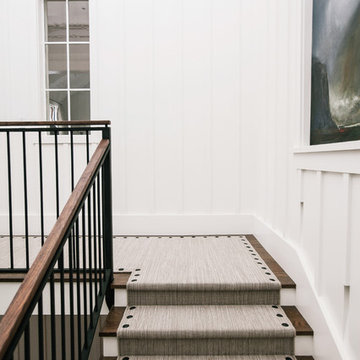
Shou sugi ban, weathered mesquite wood and white walls around found throughout this modern home, including in the stairway.
Staircase - modern wooden straight metal railing staircase idea in Austin
Staircase - modern wooden straight metal railing staircase idea in Austin

 Pine Street Carpenters & The Kitchen Studio
John Welsh
Example of a trendy medium tone wood floor and brown floor kitchen design in Wilmington
Example of a trendy medium tone wood floor and brown floor kitchen design in Wilmington
 Studio McGee
Shop the Look, See the Photo Tour here: https://www.studio-mcgee.com/studioblog/2016/4/4/modern-mountain-home-tour
Watch the Webisode: https://www.youtube.com/watch?v=JtwvqrNPjhU
Travis J Photography

 Zelaya Properties LLC
We used: Custom cherry cabinetry in Arts & Crafts Shaker style by Kabinart in Boulder and Espresso stains. Liberty Hardware Venetian bronze 1-1/2" cabinet knobs. KitchenAid Architect II Series 22 CF counter-depth French door refrigerator. KitchenAid Architect Series II 27" convection single wall oven. KitchenAid 36" 6-burner dual fuel freestanding commercial-style range. KitchenAid Architect II Series 24" dishwasher. Sharp Insight Pro Series 24" built-in microwave drawer (Model #KB6524PS). Crystorama Solaris 12" wide pendant lights in English bronze. Granite countertops in Brown Fantasy. 3"x6" polished marble backsplash.
Paint colors:
Walls: Glidden Silver Cloud 30YY 63/024
Ceilings/Trims/Doors: Glidden Swan White GLC23
Robert B. Narod Photography

 Miller-Roodell Architects Ltd
Set in Montana's tranquil Shields River Valley, the Shilo Ranch Compound is a collection of structures that were specifically built on a relatively smaller scale, to maximize efficiency. The main house has two bedrooms, a living area, dining and kitchen, bath and adjacent greenhouse, while two guest homes within the compound can sleep a total of 12 friends and family. There's also a common gathering hall, for dinners, games, and time together. The overall feel here is of sophisticated simplicity, with plaster walls, concrete and wood floors, and weathered boards for exteriors. The placement of each building was considered closely when envisioning how people would move through the property, based on anticipated needs and interests. Sustainability and consumption was also taken into consideration, as evidenced by the photovoltaic panels on roof of the garage, and the capability to shut down any of the compound's buildings when not in use.

 Lisa Tharp Design
Governor's House Entry by Lisa Tharp. 2019 Bulfinch Award - Interior Design. Photo by Michael J. Lee
Transitional painted wood floor foyer photo with white walls and a black front door
Transitional painted wood floor foyer photo with white walls and a black front door

 KINGDOM WOODWORKS
Collaboration with Canonbury Homes and Frank Neely Design Associates.
Inspiration for a timeless open concept kitchen remodel in Atlanta with beaded inset cabinets and two islands
Inspiration for a timeless open concept kitchen remodel in Atlanta with beaded inset cabinets and two islands

 Digital Marketing
Buy Old GitHub Accounts
?☀️⭐??❤️?????❤️?☀️?⭐⭐?⭐
24 Hours Reply/Contact
✅ ➤ Telegram: @itzonesmm0
✅ ➤ WhatsApp: +1 (989) 513-2521
✅ ➤ https://itzonesmm.com/product/buy-github-accounts/
?☀️⭐??❤️?????❤️?☀️?⭐⭐?⭐
GitHub has become one of the world's leading platforms for software development, collaboration, and version control. Millions of developers, startups, businesses, and open-source contributors rely on GitHub to host repositories, manage projects, and collaborate on code. As the platform continues to grow, Old GitHub Accounts have become increasingly valuable for professionals seeking established accounts with a longer history.
Whether you're a software developer, development agency, DevOps engineer, or technology entrepreneur, an older GitHub account may provide advantages when building a professional presence, contributing to open-source communities, or managing development projects.
In this comprehensive guide from itzonesmm.com, we'll explain what Old GitHub Accounts are, their key features, benefits, common use cases, security considerations, and how to choose reliable accounts for legitimate purposes.
What Are Old GitHub Accounts?
Old GitHub Accounts are GitHub user accounts that were created months or years ago and have an established account age. Compared to newly registered accounts, older GitHub accounts have existed on the platform for a longer period and may include a history of activity, depending on how they have been used.
Many professionals appreciate aged accounts because they represent an established presence within the GitHub ecosystem.
While account age alone does not determine credibility or technical ability, many organizations and developers value accounts that have been maintained over time.
Why Are Old GitHub Accounts Popular?
The growing demand for Old GitHub Accounts is driven by the increasing importance of GitHub in software development and collaboration.
Older accounts are commonly sought after because they offer:
Established account history
Professional online identity
Long-term platform presence
Convenient project management
Faster onboarding for development workflows
Support for multiple business activities
For organizations managing several projects or teams, established GitHub accounts can help simplify account organization.
Key Features of Old GitHub Accounts
Established Account Age
The defining feature of Old GitHub Accounts is their creation date. These accounts have existed on GitHub for an extended period compared to newly created accounts.
Access to GitHub Features
Old GitHub accounts can access the same core GitHub features available to standard users, including:
Repository creation
Code hosting
Version control using Git
Pull requests
Issue tracking
Discussions
Wikis
GitHub Actions
GitHub Pages
These features make GitHub one of the most powerful collaboration platforms available today.
?☀️⭐??❤️?????❤️?☀️?⭐⭐?⭐
24 Hours Reply/Contact
✅ ➤ Telegram: @itzonesmm0
✅ ➤ WhatsApp: +1 (989) 513-2521
✅ ➤ https://itzonesmm.com/product/buy-github-accounts/
?☀️⭐??❤️?????❤️?☀️?⭐⭐?⭐
Developer Collaboration
GitHub enables seamless collaboration among development teams through:
Branch management
Code reviews
Merge requests
Team permissions
Project boards
Workflow automation
Older accounts fit naturally into collaborative development environments.
Secure Authentication
GitHub provides several security tools, including:
Two-factor authentication
SSH key authentication
Personal access tokens
Passkey support
Security alerts
Device management
Users should always enable available security features to protect their accounts.
Benefits of Old GitHub Accounts
Professional Online Presence
An established GitHub account can contribute to a more professional appearance when participating in software communities or collaborating on projects.
Better Project Organization
Many companies manage multiple repositories, clients, and products.
Using separate GitHub accounts can help organize:
Client repositories
Internal development
Testing projects
Research repositories
Open-source contributions
Time Savings
Creating and configuring new development accounts for every project takes time.
Older accounts may reduce setup effort by providing an already established GitHub profile.
Useful for Development Agencies
Software agencies often require multiple GitHub accounts for:
Team collaboration
Client management
Repository organization
Development workflows
Quality assurance
Old GitHub accounts can simplify account management across various projects.
Flexible for Different Industries
Professionals in many sectors benefit from GitHub, including:
Software development
Web development
Mobile app development
Artificial intelligence
Data science
Cybersecurity
DevOps
Cloud engineering
Common Uses of Old GitHub Accounts
Professionals use Old GitHub Accounts for many legitimate purposes, including:
Software Development
Developers manage source code, branches, and releases using GitHub.
Open-Source Contributions
GitHub remains the largest platform for contributing to open-source software projects.
Team Collaboration
Development teams collaborate efficiently through repositories, pull requests, and project boards.
Portfolio Building
Many developers use GitHub profiles to showcase coding projects and technical skills to employers or clients.
Documentation Management
GitHub supports documentation through Markdown files and project wikis, making it easy to maintain technical documentation.
Continuous Integration
GitHub Actions enables developers to automate testing, deployment, and other workflows directly from their repositories.
?☀️⭐??❤️?????❤️?☀️?⭐⭐?⭐
24 Hours Reply/Contact
✅ ➤ Telegram: @itzonesmm0
✅ ➤ WhatsApp: +1 (989) 513-2521
✅ ➤ https://itzonesmm.com/product/buy-github-accounts/
?☀️⭐??❤️?????❤️?☀️?⭐⭐?⭐
Why Businesses Choose Old GitHub Accounts
Modern software companies rely heavily on GitHub for daily operations.
Some reasons businesses choose established accounts include:
Organized repository management
Team collaboration
Professional project administration
Long-term development planning
Cloud-based code storage
Version tracking
Using well-managed GitHub accounts can improve workflow efficiency and project organization.
Best Practices for Using Old GitHub Accounts
To maximize security and maintain account integrity, follow these best practices:
Change the password immediately after obtaining access.
Enable two-factor authentication (2FA).
Update recovery information where appropriate.
Use SSH keys for secure authentication.
Review authorized applications regularly.
Avoid sharing credentials.
Maintain strong password hygiene.
Follow GitHub's Terms of Service and acceptable use policies.
Responsible account management is essential for protecting repositories and sensitive development work.
How to Choose Reliable Old GitHub Accounts
If you are considering acquiring Old GitHub Accounts, selecting a trustworthy provider is essential.
Look for:
Verified account information
Transparent service policies
Responsive customer support
Secure delivery methods
Positive customer feedback
Quality assurance
Clear account details
Working with reputable providers helps minimize risks and ensures a smoother experience.
Why Choose itzonesmm.com?
At itzonesmm.com, we understand the needs of developers, digital agencies, businesses, and technology professionals.
Customers choose itzonesmm.com because of:
Professional customer service
Reliable digital solutions
Competitive pricing
Fast delivery
Focus on quality
Customer satisfaction
Secure purchasing experience
Whether you're managing development teams, software projects, or technical operations, having dependable digital resources can help improve productivity.
SEO Benefits of Organized GitHub Management
Although GitHub itself is not an SEO tool, maintaining organized repositories and documentation can support broader digital strategies.
Benefits include:
Better project documentation
Easier collaboration
Faster development workflows
Improved portfolio presentation
Streamlined code management
Professional online visibility
Well-organized GitHub profiles also help demonstrate technical expertise to potential employers, partners, and clients.
Frequently Asked Questions (FAQs)
What are Old GitHub Accounts?
Old GitHub Accounts are GitHub profiles that were created in the past and have an established account age compared to newly registered accounts.
Why do developers use Old GitHub Accounts?
Developers may use older GitHub accounts to maintain a consistent professional presence, organize projects, collaborate with teams, and contribute to software development.
Are Old GitHub Accounts secure?
GitHub provides robust security features such as two-factor authentication, SSH keys, security alerts, and account monitoring. Users should enable these features and follow security best practices.
Can businesses use Old GitHub Accounts?
Yes. Businesses commonly use GitHub for version control, project management, software collaboration, documentation, and code hosting, provided they comply with GitHub's Terms of Service.
?☀️⭐??❤️?????❤️?☀️?⭐⭐?⭐
24 Hours Reply/Contact
✅ ➤ Telegram: @itzonesmm0
✅ ➤ WhatsApp: +1 (989) 513-2521
✅ ➤ https://itzonesmm.com/product/buy-github-accounts/
?☀️⭐??❤️?????❤️?☀️?⭐⭐?⭐
What should I consider before obtaining an Old GitHub Account?
Choose a reputable provider, verify account information, update security settings immediately, and ensure the account is used responsibly and in accordance with applicable platform policies.
Conclusion
Old GitHub Accounts can be valuable for developers, software agencies, startups, and businesses seeking an established presence on one of the world's leading development platforms. With access to powerful collaboration tools, version control capabilities, and GitHub's extensive ecosystem, older accounts can support professional workflows and efficient project management.

 McCullough's Flooring
Gorgeous master bath finished with Dal-Tile's Fabrique porcelain tile in the color Noir Linen polished. Tile size is 12"x24" installed in a brick joint pattern. The floor boasts underfloor heating on a timed thermostat.
 Electronic Design & Consulting, Inc.
This article is posted here with the consent of the author. The views and opinions expressed in this article are those of the author and do not necessarily reflect the official policy, position, view, or opinion of Crestron Electronics, Inc., or of any of its employees. Crestron Electronics is not responsible for, and does not verify the accuracy of, any of the information contained in this article.
By Jeff Singer
The “smart” revolution began several years ago with smartphones (a.k.a phones) and has extended in recent years to thermostats, doorbells, alarm systems, and kitchen appliances. Smart devices are so ubiquitous that the term “smart” is overused to the point that it is almost meaningless. Companies are eager to jump on the bandwagon and claim their products are “smart,” and consumers proudly claim they have a smart home because they have lighting control. Misconceptions about smart homes are prevalent and create confusion in the marketplace. This can have deleterious effects on businesses and underserve consumers. Here are seven of the most popular misconceptions about smart homes:
1. Apps are smart
Apps are convenient and easy to use. Yes, it seems there’s an app for everything. People expect to be able to download an app and do just about anything. App developers and many companies do not disavow consumers of this myth. On the contrary, they promote this idea with carefully worded descriptions. The promise of having the world at your fingertips for $1.99 is very enticing. Although it sounds too good to be true, it is also too good to pass up for many people. This leads to undervaluing home control and disappointment when the apps don’t work, which undermines confidence in our industry. The fact is that apps are not smart. They do not control anything. They must connect to and communicate with a control system or cloud service that processes, prioritizes, and executes commands. That’s the real magic and what most people do not understand.
2. Smart devices work together
With so many smart appliances and devices on the market today, it’s understandable that the average consumer might think that they actually communicate and work together. This is simply not the case. Smart devices are not that smart. They are designed and manufactured by different, often competing, companies. There are no national or industry standards governing these products. Even if they all operate using Wi-Fi® communications, that doesn’t mean they work together. Some companies promote a home control platform, which unites different devices from different companies – in theory. The platform is yet another third-party software totally dependent on other companies developing APIs and writing control modules for their hardware to run on that piece of software. The devices are not independently compatible. Also, when updates are made to either the hardware or the software, functionality may be affected for some period. That’s a nice way of saying the device or system won’t work and there’s no way of knowing for how long.
3. It’s a DIY project
Which brings us to the next myth, which is that the average person can do it themselves. Unless you are a skilled professional, I would not advise taking on a smart home project. You want to make a light turn on and off with your Alexa® or Google Assistant™ virtual assistant software, go for it. A smart home takes much more planning and expertise. I have no problem changing a light bulb or hanging a light fixture in my dining room; however, I am not going to rewire my house. I may change the flush valve in my toilet, but I’m not going to replace the pipes in my house. You get it. Integrating devices and systems, establishing different zones, creating scenes, designing the UI with a balance between control, feedback, and simplicity – all takes experience and skill.
4. Need a programmer to make changes
Early adopters may have experienced the pain of trying to make a simple change or update to their home control system. Years ago, if the cable provider changed the channel line-up, the homeowner would have to call the dealer or programmer to make an appointment for them to come out to the house to reprogram the system. The system wouldn’t work as expected until it was updated, which often took several days and beaucoup bucks. Not anymore. Technology has evolved so now it’s easy for system owners to change favorite channels, create scenes, rename buttons, update images, and more. While a professional is needed for the initial installation and setup, the system is easy to manage once it’s up and running. This makes life so much easier for both dealer and customer.
5. Tech becomes obsolete quickly
Similar to updating the UI, updating firmware or hardware used to be a stressful process. A smart home should be intelligent enough to update itself. Apps don’t become obsolete. Updates are constantly pushed out from the cloud, making them better all the time. The same is true for a good smart home system. New features, functions, and device support gets added in the background consistently, so the system you installed (or purchased) yesterday gets better over time. Swapping out decorative elements, such as keypads, dimmers, and touch screens is also seamless. When a new device is added, all the settings are pulled down from the cloud and it just works. No system interruptions. No sunk costs. No imposing house calls. No surprise bills.
6. Lighting control saves energy and money
Lighting control is one of the most popular smart systems, but it takes more than just one system to make a home smart. On the surface, it makes sense that if you dim the lights ten percent, then you save ten percent of energy costs. If the shades are raised during the day to take advantage of sunlight so the lights don’t need to be on (or at least not 100%), but that causes the room temperature to rise a few degrees, which triggers the air conditioner to run longer and more often, was energy usage (or cost) reduced? A smart home integrates all the various systems and technology to optimize comfort, convenience, safety, and sometimes energy.
7. Home technology is easy to hack
Security is at the forefront of people’s minds these days. Personal identities are stolen; email accounts hacked; private photos publicized; and more. A smart home must outsmart those who don’t respect privacy. Crestron control systems adhere to the strictest security standards. The same Crestron control system that goes into a home is also installed in secure government and military facilities, global banking institutions, hospitals, and other mission critical applications. When installed correctly by a trained professional, a Crestron smart home is the gold standard for security, comfort, and convenience.

 GS Construction
Example of a small classic 3/4 white tile and stone tile mosaic tile floor alcove shower design in Chicago with an undermount sink, recessed-panel cabinets, black cabinets, quartzite countertops, a two-piece toilet and gray walls

 Amy Martin Landscape Design
www.jfaynovakphotography.com
This is an example of a large modern partial sun side yard concrete paver formal garden in Boston for fall.
This is an example of a large modern partial sun side yard concrete paver formal garden in Boston for fall.

 a.d.d. concept + design
Large cottage black two-story mixed siding exterior home photo in San Francisco

2