Software
Houzz Logo Print
cp25

Feedback needed for this wick-ed veggie set up

16 years ago

I have spent several hours reading on the container forum and have learned alot. I am not ready to make the Earthtainer yet. I would like to do a set up that is somewhat inspired from the earthtainer.

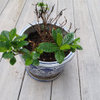
I am planning on growing tomatoes, cukes and zucchini in 5 gallon containers. I am planning on putting a wick starting about 1/2 way down and exiting out through the bottom. The wick material that I am planning to use is this:

{{gwi:17095}}

It is made of nylon. The containers will be raised on a wooden bench and the wick would hang down into an open bucket that would be filled with water. The bucket would be under the bench.

The reason I am using the wick to water is because it would be easier to water and I wont get the leaves of the tomatoes wet. Plus I don't have to worry about the mix drying up in out 35C summers. Also from reading the forums the wick seems to solve the issues of overwatering and retention.

Some questions:

A) Will the wick material work? I am concerned cause its nylon - not a natural material like cotton.

B) can someone please confirm that in order the get the wick working at the beginning, I have to soak the soil mix first.

C)If I am using the wick for watering do i need to make a second wick to drain the pwt? or is this non issue cause I am using a wick for watering in the first place?

D) Lets say that there is a pwt in my container. If the wick is in water (that is in my bucket) will the water from the pwt run into the bucket water? (this is sorta related to question C.

As I am growing veggies I will add dolomite lime to the mix.

I posted in another thread what my mix looks like. It is made of composted pine bark, sphagnum peat, and perlite. I am adding more perlite as per Al advice.

What my soil looks like (without the added perlite)

{{gwi:17097}}

BTW Can someone confirm that perlite retains water and slowly releases it.. much like turface will? It also good cause its porous so will help with aeration?

Some more questions.

Would it be helpful to cover the top of the soil with something to stop evaporation? If so, what type of material would you reccomend? Black garbage bags?

Do I need to worry about cooking the roots?

I think that every garden place I have been to sells tomatoes fertilizer. If I just use those (on my toms of course, not my cukes and zuc) will they be all I need?

Thanks in advance.

Y

Comment (1)

  • 16 years ago

    When you put on a concert, everyone needs to play well or the performance as a whole is diminished. The same is true with your set-up. The wick and soil need to work in concert to be able to draw water upward into and through the soil fast enough to satisfy the water needs of the planting. This is a challenge that the SWC container guys are always working on for an ideal solution, but there are so many variables involved, that it is usually pretty elusive. The good news is you get better at it as you gain more experience.

    I think what you're attempting is very ambitious, and I have some doubts that you can get it to work well, but please don't let that stop you from trying.

    You shouldn't have to wet the soil at first, but it would take longer to initially wet the soil if you didn't. What I would do is make a small setup and start it dry. Drop the wick into the water and leave the whole t6hing set for a day with no plants in the container. If the soil is wet or damp at least half way up, you're getting close. Remember that a mature planting will be pulling lots of water from the soil too, so the set=up needs to keep up with that aspect as well - not just wet the soil w/no plant material in it.

    For wick watering, you'll use as much wick material as it takes to wet the soil. PWT are much less a concern when watering with wicks, but one wick won't work as a 'supply' line and another a drain line.

    Mulching would be helpful.

    Perlite retains water only on its uneven surface and it has a steep release curve (releases water rapidly).

    You always need to worry about cooking roots in container culture. Shade your containers, paint them white, use pot in pot, ..... to keep soil temperatures down.

    There is no need to use specialty fertilizers for your tomatoes unless you're sold on the idea for some reason. All-purpose 24-8-16 fertilizer to start and then 20-20-20 after the plants have put on some foliage is a pretty simple strategy. Many of us use 9-3-6 or 24-8-16 for a while and then reduce the solution strength and add ProTeKt 0-0-3 to the fertilizer solution, but you don't need to get that complicated if you're willing to have the 2 types of fertilizer on hand.

    Al