

Starting a vegetable garden plot need advice.
17 years ago
Sort by:Oldest
Comments (6)
Related Stories
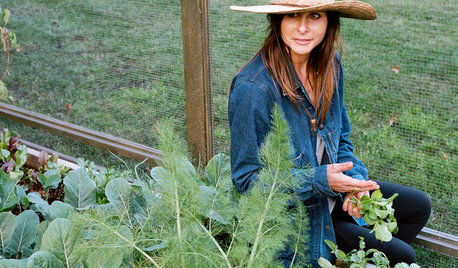
FARM YOUR YARDAdvice on Canyon Farming From L.A.'s Vegetable Whisperer
See how a screened garden house and raised beds help an edible garden in a Los Angeles canyon thrive
Full Story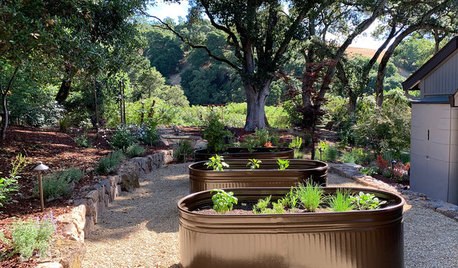
FARM YOUR YARD6 Things to Know Before You Start Growing Your Own Food
It takes time and practice, but growing edibles in the suburbs or city is possible with smart prep and patience
Full Story
GARDENING GUIDESHow to Stop Worrying and Start Loving Clay Soil
Clay has many more benefits than you might imagine
Full Story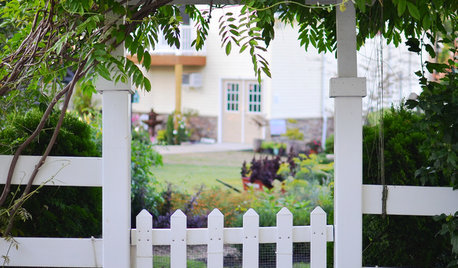
GARDENING GUIDESGarden Tour: A Ravaged Plot Emerges as a Showpiece
From natural disaster to natural beauty, this suburban Pennsylvania garden recovered in style
Full Story
LIFERetirement Reinvention: Boomers Plot Their Next Big Move
Choosing a place to settle in for the golden years? You're not alone. Where boomers are going and what it might look like
Full Story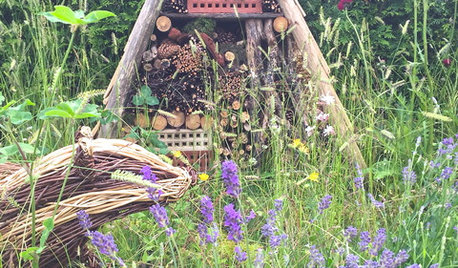
GARDENING GUIDESHow to Create a Rustic Garden, Even on a Tiny City Plot
Flea market and salvaged finds can give even the most urban garden the look and feel of a rural retreat
Full Story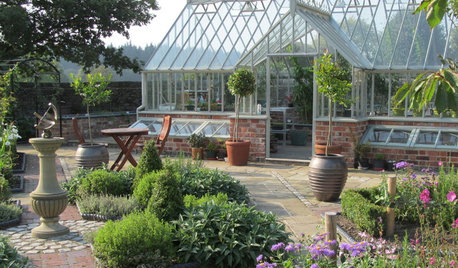
GARDENING GUIDESWindy English Plot Becomes a Kitchen Garden
A garden in Derbyshire’s Peak District combines practical elements and beautiful design
Full Story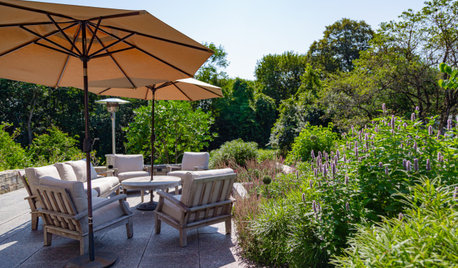
GARDENING GUIDESGet a Head Start on Planning Your Garden Even if It’s Snowing
Reviewing what you grew last year now will pay off when it’s time to head outside
Full Story
HOUSEPLANTSHow to Grow Orchids Indoors
Orchids are the exotic aristocrats of the flower world and can make themselves comfortable in almost any home
Full Story
LIFEGet the Family to Pitch In: A Mom’s Advice on Chores
Foster teamwork and a sense of ownership about housekeeping to lighten your load and even boost togetherness
Full Story
pnbrown
m_lorne
Related Professionals
Georgetown Landscape Architects & Landscape Designers · Williamsburg Landscape Architects & Landscape Designers · Keene Landscape Architects & Landscape Designers · Carson City Landscape Architects & Landscape Designers · Dover Landscape Contractors · Elkton Landscape Contractors · Boston Landscape Contractors · Victorville Landscape Contractors · Ottawa Landscape Contractors · Wilmington Accessory Dwelling Units · Sioux Falls Accessory Dwelling Units · Denver Accessory Dwelling Units · Mesquite Accessory Dwelling Units · Bozeman Accessory Dwelling Units · Toronto Accessory Dwelling Unitsgardenlen
nullzeroOriginal Author
josie23
nullzeroOriginal Author