

Curing Winter Squash
18 years ago
Sort by:Oldest
Comments (6)
Related Stories

LIFEAt-Home Cures for Autumn’s Time Change Blues
The long, dark evenings of late fall and winter can be daunting. Lighten them up with these tips
Full Story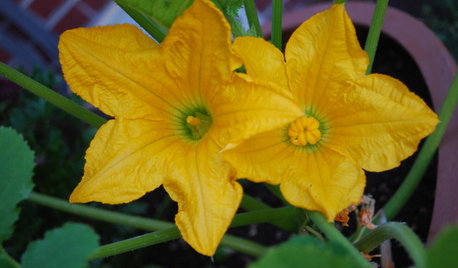
EDIBLE GARDENSSummer Crops: How to Grow Squash
Almost foolproof and with cheerful flowers, squash comes in a wide range of varieties to plant in spring
Full Story

MUDROOMSThe Cure for Houzz Envy: Mudroom Touches Anyone Can Do
Make a utilitarian mudroom snazzier and better organized with these cheap and easy ideas
Full Story
BEDROOMSThe Cure for Houzz Envy: Master Bedroom Touches Anyone Can Do
Make your bedroom a serene dream with easy moves that won’t give your bank account nightmares
Full Story
LIFE6 Ways to Beat the Winter Blahs
Snow and dark days dampening your spirits? These ideas will have you looking on the bright side
Full Story
DECORATING GUIDESThe Cure for Houzz Envy: Guest Room Touches Anyone Can Do
Make overnight guests feel comfy and cozy with small, inexpensive niceties
Full Story
HOUSEKEEPING4 Tips to Help Prevent Winter Dryer Fires
Find out why dryer fires spike in the winter and how you can prevent them in your home
Full Story
LIFEHard Winter? 9 Ways to Battle Cabin Fever
We know a lot of you are trapped where it just won’t stop snowing. Here are some ways to survive
Full Story




farmerdilla
tomatozillaOriginal Author
Related Professionals
Aberdeen Landscape Architects & Landscape Designers · Galveston Landscape Architects & Landscape Designers · Lafayette Landscape Contractors · Spartanburg Landscape Contractors · Wichita Falls Landscape Contractors · Kearney Landscape Contractors · Brooklyn Landscape Contractors · Reno Landscape Contractors · Chatham Landscape Contractors · Cornwall Landscape Contractors · Sarnia Landscape Contractors · Wilmington Accessory Dwelling Units · Wheeling Accessory Dwelling Units · Glenwood Springs Accessory Dwelling Units · Boise Accessory Dwelling Unitsfarmerdilla
tomatozillaOriginal Author
farmerdilla
tomatozillaOriginal Author