

Phosphorus Deficiency-- Quick Fix?
17 years ago
Sort by:Oldest
Comments (3)
Related Stories
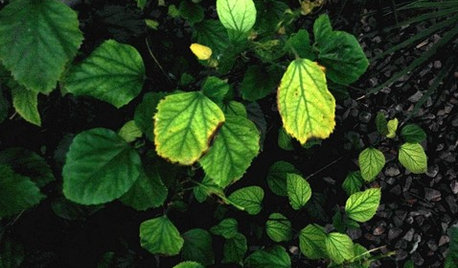
GARDENING GUIDESWhat's Wrong With My Plant? Leaves Often Hold the Clues
Learn how to identify common plant ailments by reading their leaves
Full Story
BUDGETING YOUR PROJECTConstruction Contracts: What to Know About Estimates vs. Bids
Understanding how contractors bill for services can help you keep costs down and your project on track
Full Story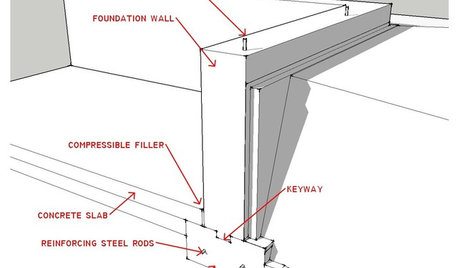
ARCHITECTUREKnow Your House: What Makes Up a Home's Foundation
Learn the components of a common foundation and their purpose to ensure a strong and stable house for years to come
Full Story
GREEN BUILDING6 Green-Roof Myths, Busted
Leaky, costly, a pain to maintain ... nope, nope and nope. Get the truth about living roofs and see examples from simple to elaborate
Full Story
GARDENING GUIDESHow to Keep Your Citrus Trees Well Fed and Healthy
Ripe for some citrus fertilizer know-how? This mini guide will help your lemon, orange and grapefruit trees flourish
Full Story
SELLING YOUR HOUSEA Moving Diary: Lessons From Selling My Home
After 79 days of home cleaning, staging and — at last — selling, a mom comes away with a top must-do for her next abode
Full Story
MOVINGHiring a Home Inspector? Ask These 10 Questions
How to make sure the pro who performs your home inspection is properly qualified and insured, so you can protect your big investment
Full Story
REMODELING GUIDESShould You Remodel or Just Move?
If you're waffling whether 'tis better to work with what you've got or start fresh somewhere else, this architect's insight can help
Full Story
GARDENING GUIDESGarden Myths to Debunk as You Dig This Fall and Rest Over Winter
Termites hate wood mulch, don’t amend soil for trees, avoid gravel in planters — and more nuggets of garden wisdom
Full Story
SELLING YOUR HOUSESave Money on Home Staging and Still Sell Faster
Spend only where it matters on home staging to keep money in your pocket and buyers lined up
Full Story
mainegardener
flora_uk
Related Professionals
Little Rock Landscape Architects & Landscape Designers · Anderson Landscape Architects & Landscape Designers · Brooklyn Landscape Architects & Landscape Designers · Syracuse Landscape Architects & Landscape Designers · Wheeling Landscape Architects & Landscape Designers · Murrieta Landscape Architects & Landscape Designers · Enid Landscape Contractors · Plymouth Landscape Contractors · Albany Landscape Contractors · Jackson Accessory Dwelling Units · Asheville Accessory Dwelling Units · Pittsburgh Accessory Dwelling Units · Phoenix Accessory Dwelling Units · San Jose Accessory Dwelling Units · Logan Accessory Dwelling Unitsjustaguy2