

Do roses have shallow roots?
19 years ago
Featured Answer
Sort by:Oldest
Comments (8)
 19 years ago
- 19 years ago
Related Professionals
Macon Landscape Architects & Landscape Designers · Muskogee Landscape Architects & Landscape Designers · Cedar Rapids Landscape Architects & Landscape Designers · Lafayette Landscape Architects & Landscape Designers · Grand Junction Landscape Architects & Landscape Designers · Montréal Landscape Architects & Landscape Designers · Belleville Landscape Contractors · DeRidder Landscape Contractors · McComb Landscape Contractors · Fall River Landscape Contractors · Syracuse Landscape Contractors · Olympia Landscape Contractors · New Bedford Home Builders · Augusta Home Builders · Show Low Home Builders- 19 years ago
- 19 years ago
- 19 years ago
- 19 years ago
- 19 years ago
Related Stories
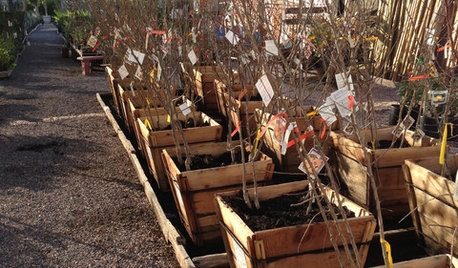
GARDENING GUIDESThe Beauty of Bare-Root Plants
Plant dormant trees and shrubs in fall using the easy, affordable bare-root method and enjoy beautiful results in spring
Full Story
TRADITIONAL ARCHITECTURERoots of Style: Dutch Colonial Homes Settle on the Gambrel Roof
Colonists from the Netherlands brought the gambrel roof and other quaint details. Has your home adapted any of these features?
Full Story
ARCHITECTURERoots of Style: Midcentury Styles Respond to Modern Life
See how postwar lifestyles spawned a range of styles, including minimalist traditional, ranch, split level and modern shed. What's next?
Full Story
MODERN ARCHITECTURERoots of Style: International Style Celebrates Pure Form
Using technology and materials of the time, International style is always current. See its expression in these 16 homes around the world
Full Story
ARCHITECTURERoots of Style: Many Cultures Make Their Marks on Mediterranean Design
If you live in California, Florida or certain other parts of the U.S., your architecture may show distinct cultural influences
Full Story
ARCHITECTURERoots of Style: Queen Anne Homes Present Regal Details
Complex facades with bay windows, multiple shingle patterns and even towers make these Victorian-era homes a sight to behold
Full Story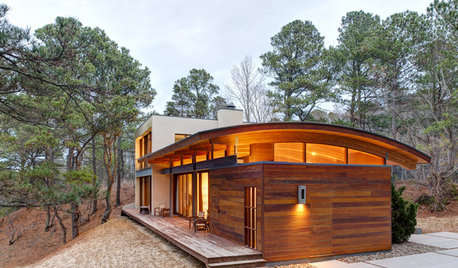
ARCHITECTURERoots of Style: The Segmental Vault Home
Distinctive and proud, these houses may be more common than you might first realize
Full Story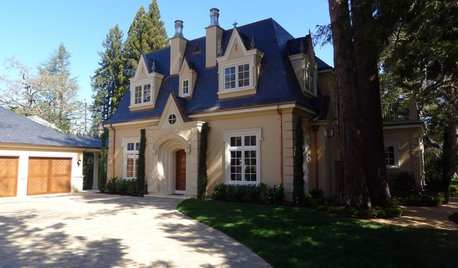
TRADITIONAL ARCHITECTURERoots of Style: Château Architecture Strides Through a Century
Live like a lord with design details that recall French estates of old, even if they're scaled down and updated for today
Full Story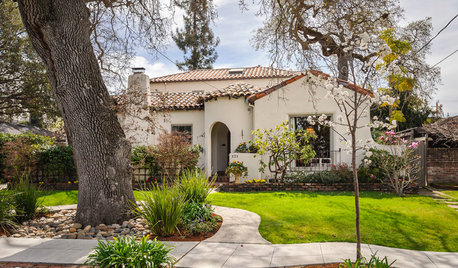
ARCHITECTURERoots of Style: Spanish Eclectic Homes Find a Place in the Sun
Flexible stucco, intricate tiles and more have kept this multicultural style going strong for a century
Full Story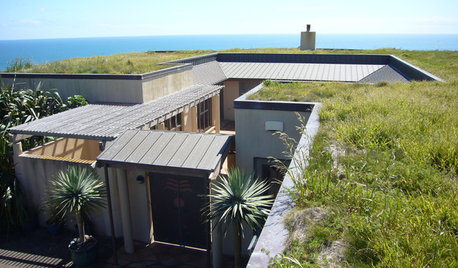
GREEN BUILDINGLiving Roofs Put Down Roots
No longer solely the domain of hippies — or hobbits — a green roof can be a hardworking partner in making your house sustainable
Full Story
harryshoe zone6 eastern Pennsylvania