

Hurricane wind damage, seeking help
18 years ago
Sort by:Oldest
Comments (5)
Related Stories
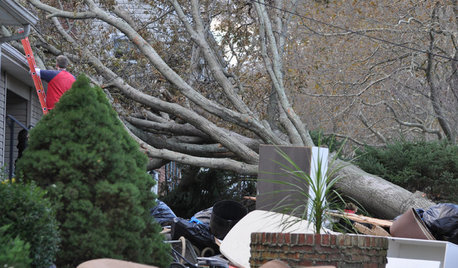
DISASTER PREP & RECOVERY7 Ways to Help Someone Hit by a Hurricane
The best things you can do in the wake of devastation are sometimes the most surprising
Full Story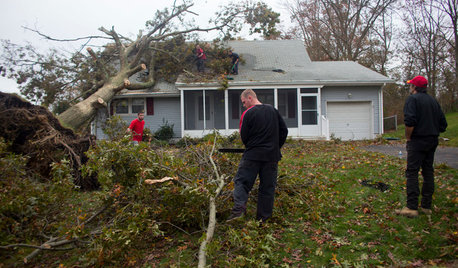
MOST POPULARWhat to Do After a Hurricane or Flood
How you treat your home after a natural disaster can make all the difference in its future livability — and your own personal safety
Full Story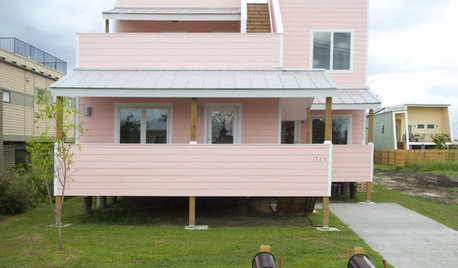
CONTEMPORARY HOMESFrank Gehry Helps 'Make It Right' in New Orleans
Hurricane Katrina survivors get a colorful, environmentally friendly duplex, courtesy of a starchitect and a star
Full Story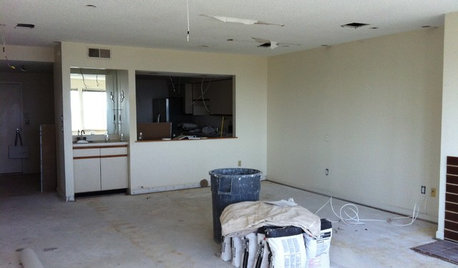
DISASTER PREP & RECOVERYRemodeling After Water Damage: Tips From a Homeowner Who Did It
Learn the crucial steps and coping mechanisms that can help when flooding strikes your home
Full Story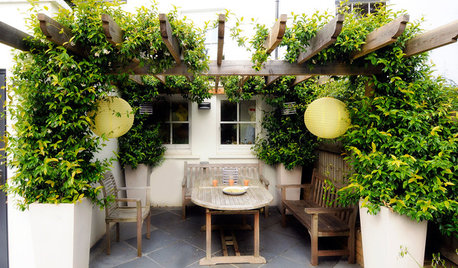
GARDENING AND LANDSCAPINGSeek Shelter in the Shade This Summer
Open up to outdoor living with 8 garden shade strategies
Full Story
ARCHITECTURE4 Things a Hurricane Teaches You About Good Design
When the power goes out, a home's design can be as important as packaged food and a hand-crank radio. See how from a firsthand account
Full Story
DISASTER PREP & RECOVERYHouzz Tour: Family Rebuilds Home and Community After Hurricane Sandy
This restored coastal New Jersey house — now raised 9 feet off the ground — offers inspiration for neighbors considering a return
Full Story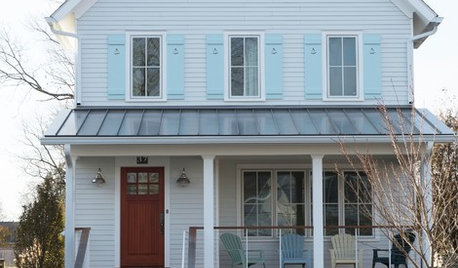
DISASTER PREP & RECOVERYHouzz Tour: Modern Farmhouse Emerges From Hurricane Sandy Devastation
A homeowner loses her cottage but gains a new energy-efficient, low-maintenance home
Full Story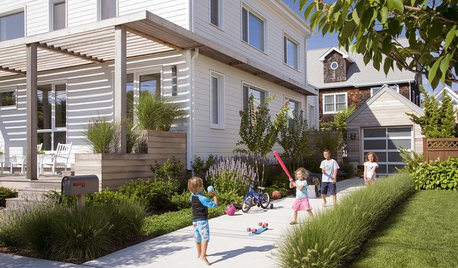
HOUZZ TOURSHouzz Tour: Ready for Hurricane Season on the Jersey Shore
This family home was designed to stand up to storms. See how the architects built resilience into the design
Full Story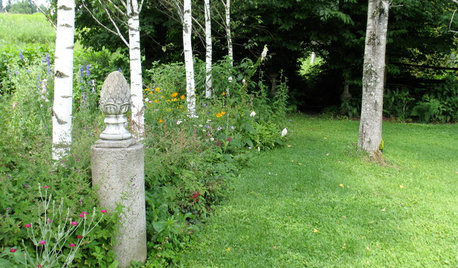
WINTER GARDENINGHow to Help Your Trees Weather a Storm
Seeing trees safely through winter storms means choosing the right species, siting them carefully and paying attention during the tempests
Full Story

Toronado3800 Zone 6 St Louis
rhizo_1 (North AL) zone 7
Related Professionals
Annapolis Landscape Architects & Landscape Designers · Anniston Landscape Architects & Landscape Designers · El Paso Landscape Architects & Landscape Designers · Ocala Landscape Contractors · Enid Landscape Contractors · Longview Landscape Contractors · Toledo Landscape Contractors · Phoenix Landscape Contractors · Sierra Vista Landscape Contractors · Salt Lake City Landscape Contractors · Wilmington Home Additions · Terre Haute Home Additions · Middlesboro Home Additions · Brattleboro Home Additions · Idaho Falls Home AdditionsdogpatchladyOriginal Author
katrina1
terri_ks